
Anúncios
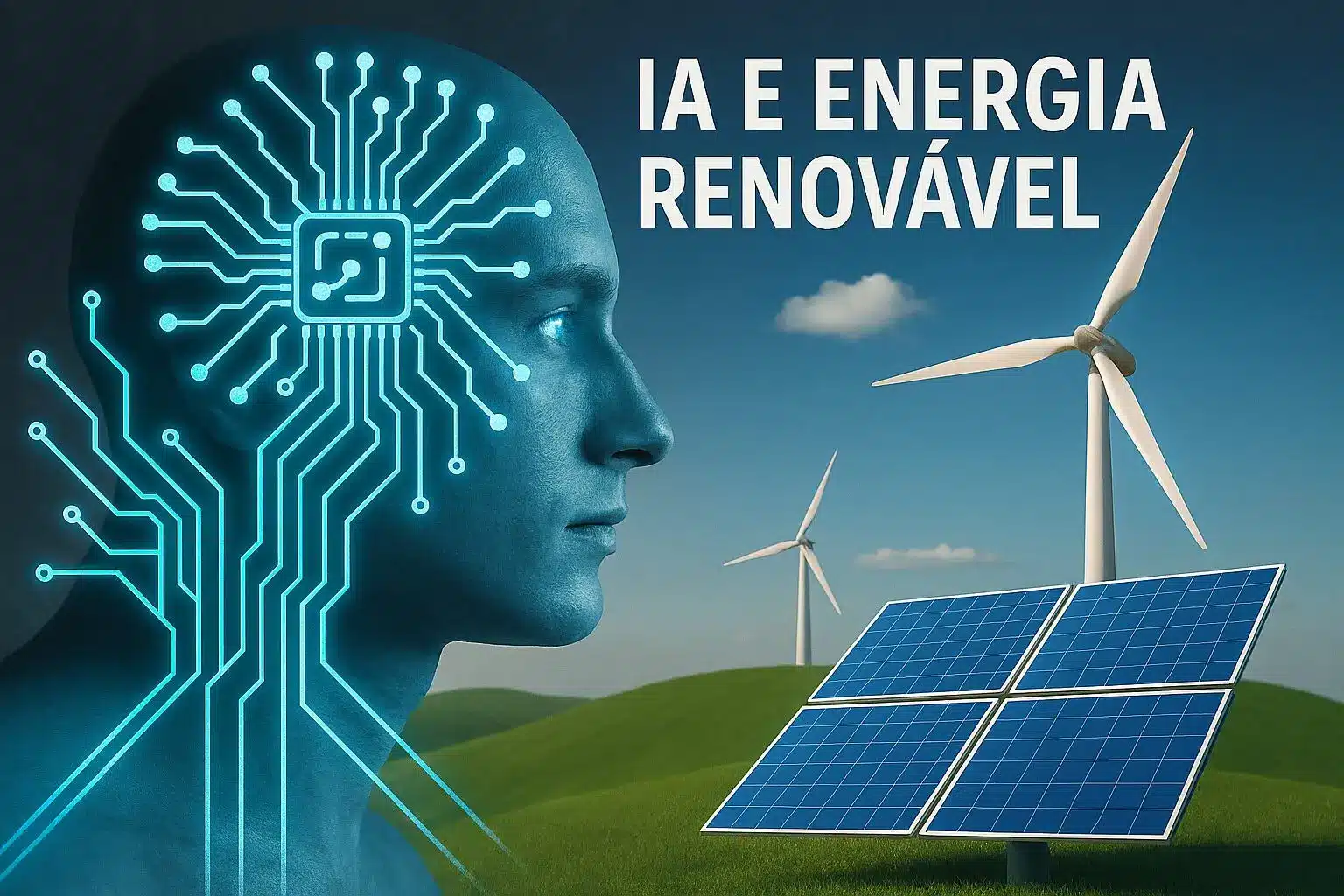
Artificial intelligence is no longer a futuristic concept—it’s actively reshaping how we harness renewable energy, making sustainable power more efficient, reliable, and accessible than ever before.
🌍 The Convergence of AI and Renewable Energy
The global transition toward renewable energy sources has accelerated dramatically over the past decade. Wind farms, solar installations, and hydroelectric facilities now dot landscapes across continents, generating clean power for millions. However, the intermittent nature of these energy sources presents significant challenges. The sun doesn’t always shine, and the wind doesn’t always blow, creating fluctuations that complicate grid management and energy distribution.
Anúncios
This is precisely where artificial intelligence enters the picture as a transformative force. By leveraging machine learning algorithms, predictive analytics, and advanced data processing capabilities, AI is revolutionizing how we optimize renewable energy systems. From forecasting energy production to managing storage solutions and balancing grid demands, AI-powered technologies are addressing the fundamental obstacles that have historically limited renewable energy’s potential.
The integration of AI into renewable energy infrastructure isn’t just an incremental improvement—it represents a paradigm shift in how we approach sustainable power generation. Energy companies, grid operators, and policymakers are increasingly recognizing that achieving ambitious climate goals requires not just more renewable installations, but smarter ones.
Anúncios
⚡ Predictive Analytics: Forecasting the Unpredictable
One of AI’s most significant contributions to renewable energy lies in its ability to predict energy generation with remarkable accuracy. Traditional forecasting methods relied on historical weather patterns and simple statistical models, often producing unreliable predictions that left grid operators scrambling to balance supply and demand.
Modern AI systems analyze vast datasets incorporating satellite imagery, weather station readings, atmospheric conditions, and historical production data to generate highly accurate forecasts. Machine learning models can predict solar energy output up to 72 hours in advance with accuracy rates exceeding 90%, while wind energy forecasts have improved by over 30% compared to conventional methods.
These predictive capabilities enable grid operators to make informed decisions about when to supplement renewable sources with other generation methods, reducing reliance on fossil fuel backup systems. The result is a more stable grid that maximizes clean energy utilization while minimizing carbon emissions.
Real-Time Adjustments and Dynamic Optimization
Beyond long-term forecasting, AI excels at making real-time adjustments to renewable energy systems. Advanced algorithms continuously monitor performance metrics across solar panels, wind turbines, and other generation equipment, identifying inefficiencies and optimizing operational parameters on the fly.
For solar installations, AI systems adjust panel angles throughout the day to maximize sun exposure, compensating for cloud cover and atmospheric conditions. In wind farms, algorithms control turbine blade pitch and orientation, extracting maximum energy while preventing mechanical stress during high-wind conditions. These micro-optimizations collectively result in significant efficiency gains, sometimes increasing energy capture by 10-15% without any additional hardware investment.
🔋 Smart Energy Storage Solutions
Energy storage represents one of the renewable sector’s most critical challenges. Batteries and other storage technologies are expensive, have limited capacity, and degrade over time. AI is revolutionizing how we manage these precious resources, extending their lifespan and maximizing their effectiveness.
Machine learning algorithms analyze consumption patterns, weather forecasts, and electricity pricing to determine optimal charging and discharging strategies for battery systems. Rather than simply storing excess energy and releasing it when generation drops, AI-powered systems consider dozens of variables to make nuanced decisions that minimize costs and maximize efficiency.
For example, during periods of high renewable generation and low demand, AI might prioritize charging batteries when electricity prices are lowest, then strategically discharge during peak demand hours when prices spike. This approach not only improves the economics of renewable installations but also provides valuable grid stabilization services.
Battery Health Management Through AI
Battery degradation significantly impacts the long-term economics of renewable energy systems. AI algorithms monitor battery health metrics including temperature, charge cycles, and voltage fluctuations to optimize charging patterns that extend battery lifespan. Studies show that AI-managed battery systems can last 20-30% longer than conventionally managed systems, dramatically improving return on investment for renewable energy projects.
🌐 Grid Management and Distribution Intelligence
The electrical grid is becoming increasingly complex as renewable energy sources proliferate. Unlike traditional power plants that provide steady, predictable output, renewable installations inject variable power flows into the grid at thousands of distributed points. Managing this complexity requires sophisticated coordination that human operators simply cannot provide at the necessary scale and speed.
AI-powered grid management systems process data from millions of sensors across the electrical network, making thousands of optimization decisions per second. These systems balance supply and demand, route power through optimal pathways, and automatically respond to equipment failures or unexpected demand spikes.
Advanced algorithms predict consumption patterns at granular levels, from individual neighborhoods to entire regions, allowing utilities to position resources strategically and minimize transmission losses. This predictive capability is particularly valuable during extreme weather events, when both energy demand and renewable generation can fluctuate dramatically.
Demand Response Optimization
AI enables sophisticated demand response programs that shift electricity consumption to match renewable generation patterns. Smart algorithms communicate with residential and commercial energy management systems, automatically adjusting thermostats, scheduling appliance operation, and managing electric vehicle charging to align with periods of high renewable output.
This demand-side flexibility effectively creates “virtual storage” by shifting consumption rather than banking energy in batteries. The result is a more resilient grid that can accommodate higher percentages of intermittent renewable generation without requiring massive investments in physical storage infrastructure.
🛠️ Predictive Maintenance and Asset Management
Renewable energy installations operate in challenging environments. Solar panels endure extreme temperatures and weather exposure, while wind turbines face constant mechanical stress from variable wind conditions. Equipment failures not only reduce energy production but can require expensive repairs and lengthy downtime.
AI-driven predictive maintenance systems monitor equipment health through thousands of sensors, identifying subtle anomalies that indicate impending failures. Machine learning models trained on historical failure data recognize patterns that precede breakdowns, allowing maintenance teams to address issues before they cause costly outages.
For wind farms, this might mean detecting early signs of bearing wear in turbine gearboxes, scheduling repairs during low-wind periods to minimize production losses. In solar installations, AI identifies underperforming panels that require cleaning or replacement, optimizing maintenance schedules to maximize uptime and energy generation.
The economic impact of predictive maintenance is substantial. Studies indicate that AI-powered maintenance strategies reduce operational costs by 15-25% while increasing equipment availability by up to 20%. For large renewable energy installations, these improvements translate to millions of dollars in additional revenue annually.
☀️ Advancing Solar Energy Technology
Solar energy has experienced remarkable growth, but significant optimization opportunities remain. AI is enhancing solar technology across multiple dimensions, from panel design to installation planning and operational management.
Machine learning algorithms analyze satellite imagery and geographical data to identify optimal locations for solar installations, considering factors like sun exposure, shading patterns, proximity to transmission infrastructure, and land costs. This analytical capability helps developers maximize returns on investment while accelerating project deployment timelines.
During the design phase, AI simulates performance under countless scenarios, optimizing panel layouts and electrical configurations for specific sites. These simulations account for local weather patterns, seasonal variations, and even the impact of nearby vegetation growth over time, ensuring installations deliver maximum long-term performance.
Solar Panel Cleaning and Maintenance Automation
Dust, pollen, and debris accumulation significantly reduce solar panel efficiency, sometimes by 20-30% in arid environments. AI-powered systems equipped with cameras and sensors identify panels requiring cleaning, dispatching robotic cleaning systems or scheduling manual maintenance only when necessary. This targeted approach reduces water consumption and maintenance costs while ensuring panels operate at peak efficiency.
💨 Wind Energy Optimization Breakthroughs
Wind energy presents unique optimization challenges due to the complex fluid dynamics governing turbine performance. AI is transforming wind farm operations through sophisticated control algorithms that coordinate turbine behavior across entire installations.
Traditional wind farms operated turbines independently, with each unit maximizing its own energy capture. However, research shows that upstream turbines create wake effects that reduce efficiency for downstream units. AI-powered systems optimize turbine settings across the entire farm, sometimes deliberately reducing upstream turbine efficiency to maximize total energy production from the installation.
This coordinated approach, known as wake steering, can increase total wind farm output by 3-5%, representing significant additional revenue over a facility’s operational lifetime. The complex calculations required for real-time wake optimization are only possible through advanced machine learning algorithms processing aerodynamic models and sensor data continuously.
Site Selection and Layout Design
Before construction begins, AI analyzes decades of wind data, topographical information, and atmospheric modeling to optimize wind farm layouts. Machine learning models simulate countless turbine configurations, identifying arrangements that maximize energy capture while minimizing interference between units. This optimization process has improved new wind farm performance by 10-15% compared to conventional design approaches.
🔬 Accelerating Renewable Energy Research
Beyond operational optimization, AI is accelerating fundamental research into renewable energy technologies. Machine learning algorithms analyze vast scientific literature, identifying promising research directions and suggesting novel material combinations for solar cells, battery chemistries, and other clean energy components.
AI-driven materials discovery has compressed development timelines from years to months. Researchers use algorithms to screen millions of potential compounds virtually, identifying candidates with desired properties before conducting expensive physical testing. This approach has led to breakthroughs in perovskite solar cells, solid-state batteries, and advanced wind turbine materials.
The synergy between AI and renewable energy research extends to manufacturing processes as well. Machine learning optimizes production parameters for solar panels and battery cells, improving quality while reducing costs and environmental impact. As these technologies mature, AI-driven optimization will continue accelerating the renewable energy transition.
📊 Economic and Environmental Impact
The integration of AI into renewable energy systems delivers measurable economic and environmental benefits that extend far beyond individual installations. By improving efficiency and reliability, AI helps renewable sources compete more effectively with fossil fuels on purely economic terms, accelerating adoption without requiring subsidies.
Recent analyses indicate that AI optimization can reduce the levelized cost of renewable energy by 10-20%, making clean power the most economical choice in an increasing number of markets. This economic competitiveness is crucial for achieving widespread decarbonization, particularly in developing nations where energy affordability remains paramount.
From an environmental perspective, AI-optimized renewable systems displace fossil fuel generation more effectively, accelerating greenhouse gas emissions reductions. Studies project that AI-enabled optimization could help renewable energy meet 80% of global electricity demand by 2040, compared to 65% without AI integration—a difference that translates to billions of tons of avoided carbon emissions.
🚀 Challenges and Future Directions
Despite remarkable progress, integrating AI into renewable energy systems presents ongoing challenges. Data quality and availability remain critical constraints. AI algorithms require vast amounts of high-quality training data, which may not exist for newer renewable technologies or installations in novel locations.
Cybersecurity concerns also loom large as renewable energy infrastructure becomes increasingly connected and dependent on AI systems. Protecting these critical systems from malicious attacks requires robust security frameworks and continuous vigilance. A successful cyberattack on AI-controlled grid management systems could have catastrophic consequences, making security considerations paramount.
The computational resources required for sophisticated AI models also present sustainability questions. Training large neural networks consumes significant electricity, potentially offsetting some environmental benefits if that power comes from fossil sources. Researchers are actively developing more efficient algorithms and leveraging renewable energy to power AI infrastructure itself, creating a virtuous cycle of sustainability.
Democratizing AI-Powered Renewable Energy
Currently, the most sophisticated AI optimization systems remain accessible primarily to large utilities and energy companies with substantial technical resources. Making these capabilities available to smaller installations, community solar projects, and developing nations represents an important frontier. Cloud-based AI services and open-source optimization tools are emerging to democratize access, enabling smaller players to benefit from advanced optimization technologies.
🌟 The Path Forward: AI-Enabled Energy Transformation
The convergence of artificial intelligence and renewable energy represents one of the most promising developments in the fight against climate change. As AI technologies continue advancing and renewable installations proliferate, their synergistic relationship will only strengthen, driving continuous improvements in efficiency, reliability, and affordability.
Looking ahead, emerging AI capabilities like quantum machine learning and neuromorphic computing promise even more dramatic optimization breakthroughs. These technologies could enable real-time optimization of continental-scale energy grids, seamlessly balancing millions of distributed renewable sources with complex demand patterns across entire regions.
The renewable energy revolution isn’t just about installing more solar panels and wind turbines—it’s about creating intelligent energy systems that maximize the value of every photon captured and every gust of wind harnessed. Artificial intelligence provides the cognitive capabilities these systems need to reach their full potential, transforming intermittent renewable sources into the backbone of a sustainable, carbon-free energy future.
As we stand at this technological inflection point, the question is no longer whether AI will transform renewable energy, but how quickly we can scale these innovations globally. The tools exist today to dramatically accelerate the clean energy transition. What remains is the collective will to deploy them at the speed and scale our climate crisis demands. The integration of AI and renewable energy isn’t just revolutionizing how we generate power—it’s redefining what’s possible in our quest for a sustainable, prosperous future for all.
