
Anúncios
The future of food production lies not in linear extraction, but in circular systems that regenerate resources, eliminate waste, and create resilient agricultural ecosystems for generations to come.
🌱 Understanding the Circular Food Economy Revolution
Traditional agriculture operates on a linear model: extract resources, produce food, consume, and dispose of waste. This outdated approach has led to soil degradation, water pollution, greenhouse gas emissions, and massive food waste. Circular food systems represent a paradigm shift—a regenerative approach where waste becomes a resource, nutrients cycle continuously, and every element within the system adds value.
Anúncios
Circular agriculture draws inspiration from natural ecosystems where nothing is wasted. Fallen leaves nourish soil, decomposers transform organic matter into nutrients, and energy flows efficiently through interconnected networks. By mimicking these natural processes, farmers can create self-sustaining systems that produce abundant food while healing the planet.
The global food system currently generates approximately one-third of all greenhouse gas emissions and wastes nearly 40% of food produced. Meanwhile, industrial agriculture depletes topsoil at alarming rates, with estimates suggesting we have only 60 harvests remaining if current practices continue. These sobering statistics demand immediate transformation toward circular models that prioritize regeneration over extraction.
Anúncios
Core Principles Driving Circular Agricultural Systems
Circular food systems operate on several foundational principles that distinguish them from conventional agriculture. These principles work synergistically to create resilient, productive, and environmentally beneficial farming operations.
Waste Valorization and Resource Recovery
In circular agriculture, the concept of waste disappears entirely. Crop residues, animal manure, food processing byproducts, and even plate waste become valuable inputs for other processes. Composting transforms organic waste into nutrient-rich soil amendments. Anaerobic digestion converts manure and crop residues into biogas for energy and digestate for fertilizer. Food processing byproducts feed livestock or produce value-added products like natural dyes, bioplastics, or pharmaceutical compounds.
This waste valorization creates multiple revenue streams for farmers while drastically reducing environmental pollution. Instead of paying for waste disposal, farmers generate income from materials previously considered worthless. The economic benefits align perfectly with environmental improvements—a rare and powerful combination in agricultural innovation.
Nutrient Cycling and Soil Regeneration
Healthy soil forms the foundation of sustainable food production. Circular systems prioritize building soil organic matter through composting, cover cropping, reduced tillage, and strategic livestock integration. These practices increase water retention, carbon sequestration, biodiversity, and natural pest resistance while reducing dependency on synthetic fertilizers.
Nutrient cycling extends beyond individual farms. Urban food waste returns to agricultural land as compost. Human waste, properly treated, provides phosphorus and nitrogen that would otherwise pollute waterways. Aquaculture effluent irrigates crops in integrated systems. These connections create closed loops where nutrients circulate continuously rather than accumulating as pollution or depleting finite reserves.
Biodiversity and Ecosystem Integration
Monocultures create vulnerability to pests, diseases, and climate variability. Circular systems embrace diversity—multiple crop species, livestock varieties, pollinators, beneficial insects, and microorganisms working together. This biodiversity provides natural pest control, pollination services, nutrient cycling, and system resilience.
Integrating livestock with crop production exemplifies ecosystem thinking. Animals convert crop residues and pasture into protein while their manure fertilizes fields. Chickens control pests in orchards. Ducks manage weeds in rice paddies. Cattle graze cover crops, building soil while producing food. These integrated systems yield more total output per hectare than specialized monocultures while requiring fewer external inputs.
🔄 Innovative Technologies Enabling Circular Agriculture
Technology plays a crucial role in optimizing circular food systems. Digital tools, biological innovations, and precision equipment help farmers maximize efficiency, monitor system health, and make data-driven decisions that enhance both productivity and sustainability.
Precision Agriculture and Data Analytics
Sensors, drones, satellites, and IoT devices provide real-time information about soil moisture, nutrient levels, pest populations, and plant health. This data enables farmers to apply water, nutrients, and interventions precisely where needed, eliminating waste and reducing environmental impact. Predictive analytics forecast optimal planting times, harvest windows, and potential challenges, allowing proactive management.
Digital platforms connect farmers with buyers, waste producers with users, and knowledge networks that share best practices. Blockchain technology traces food through supply chains, verifying sustainable practices and reducing fraud. These digital tools make circular systems more efficient, transparent, and economically competitive.
Biological and Microbial Solutions
Advances in microbiology reveal how beneficial bacteria, fungi, and other microorganisms enhance plant growth, suppress diseases, and cycle nutrients. Biofertilizers and biopesticides derived from these organisms replace synthetic chemicals, improving soil health while controlling pests and diseases effectively.
Composting technologies accelerate decomposition and optimize nutrient profiles in organic amendments. Vermicomposting uses earthworms to create exceptionally nutrient-dense fertilizer. Biochar production transforms agricultural waste into stable carbon while creating a soil amendment that retains water and nutrients. These biological approaches work with natural processes rather than against them.
Renewable Energy Integration
Circular farms generate their own energy from renewable sources. Solar panels power irrigation systems and processing equipment. Wind turbines contribute to grid electricity. Biogas digesters convert organic waste into cooking fuel and electricity while producing fertilizer. This energy independence reduces costs, increases resilience, and eliminates fossil fuel emissions from farm operations.
Energy-intensive processes like indoor farming and aquaculture become sustainable when powered by renewables. Vertical farms in cities use LED lighting powered by solar energy to produce fresh vegetables near consumers, eliminating transportation emissions and water waste while repurposing urban spaces.
Real-World Applications Transforming Food Production
Circular agriculture transcends theory—thousands of farmers worldwide implement these principles successfully, demonstrating economic viability while regenerating ecosystems.
Integrated Crop-Livestock Systems
Farms combining crops and livestock create synergies impossible in specialized operations. Cattle graze cover crops between cash crop seasons, fertilizing soil while gaining nutrition. Pigs root through crop residues, incorporating organic matter while controlling weeds. Poultry follows cattle, breaking up manure and controlling parasites while producing eggs and meat.
These integrated systems typically produce more total food per hectare than specialized farms while building soil organic matter, increasing biodiversity, and improving water infiltration. Economic resilience increases through diversified income streams—if one commodity price drops, others may remain profitable.
Aquaponics and Integrated Aquaculture
Aquaponics combines fish farming with hydroponic vegetable production in a closed-loop system. Fish waste provides nutrients for plants, while plants filter water that returns to fish tanks. This integration produces both protein and vegetables using 90% less water than conventional agriculture, with zero waste discharge.
Integrated multi-trophic aquaculture applies circular principles to ocean farming. Fish, shellfish, and seaweed grow together—shellfish filter water, seaweed absorbs nutrients, and all species benefit from improved water quality. This approach increases total productivity while reducing environmental impact compared to single-species aquaculture.
Urban Agriculture and Community Gardens
Cities contain enormous potential for circular food production. Rooftop gardens, vertical farms, community gardens, and urban orchards produce fresh food near consumers while greening cities, managing stormwater, reducing heat islands, and building community connections.
Urban food production naturally integrates with waste streams. Restaurants and households provide compostable waste. Breweries supply spent grain for mushroom cultivation or livestock feed. Coffee grounds amend soil. These local nutrient cycles reduce transportation emissions while solving waste management challenges.
💡 Economic Benefits Driving Adoption
Sustainability alone rarely drives agricultural transformation—economic advantages provide the ultimate motivation. Fortunately, circular systems offer compelling financial benefits alongside environmental improvements.
Reduced Input Costs and External Dependencies
By producing their own fertilizer, pest control, animal feed, and energy, circular farms drastically reduce purchases of expensive external inputs. This independence protects farmers from price volatility and supply chain disruptions while improving profit margins. Money that previously flowed out of the farm to input suppliers remains in the local economy.
Reduced tillage and improved soil health lower fuel costs and machinery wear. Diverse crop rotations break pest and disease cycles, reducing pesticide needs. Integrated pest management using beneficial insects and habitat plantings provides free pest control. These savings accumulate substantially over time.
New Revenue Streams from Waste Valorization
Materials previously considered waste generate income in circular systems. Compost sells to gardeners and landscapers. Biogas powers operations or sells to utilities. Food processing byproducts become animal feed, natural extracts, or industrial materials. Agritourism and educational programs attract visitors who pay to experience sustainable farming.
Carbon markets increasingly compensate farmers for sequestering atmospheric carbon in soil. Ecosystem service payments reward biodiversity conservation, water quality protection, and habitat creation. These emerging revenue streams recognize and monetize the public benefits circular farms provide.
Premium Pricing and Market Differentiation
Consumers increasingly prefer food produced sustainably. Circular agriculture provides authentic sustainability stories that resonate with conscious consumers willing to pay premium prices. Certifications like organic, regenerative organic, carbon-neutral, and zero-waste differentiate products in crowded markets.
Direct marketing through farmers markets, community supported agriculture, and online platforms connects farmers with customers, capturing retail margins while building loyal customer bases. Brand stories about circular practices create emotional connections that drive purchases and customer loyalty.
🌍 Environmental Impact and Climate Solutions
Agriculture must transition from climate problem to climate solution. Circular systems offer powerful tools for reducing emissions, sequestering carbon, and building resilience against climate disruption.
Carbon Sequestration Through Soil Building
Healthy soils represent one of Earth’s largest carbon sinks. Practices that build soil organic matter—composting, cover cropping, reduced tillage, perennial crops, and strategic grazing—pull atmospheric carbon dioxide into stable soil carbon. Estimates suggest global soil restoration could sequester billions of tons of carbon annually.
This carbon sequestration provides multiple benefits beyond climate mitigation. Carbon-rich soils retain more water, reducing irrigation needs and flood risk. They support greater microbial diversity and nutrient cycling. They produce more nutritious food. Climate action and improved productivity align perfectly.
Emissions Reduction Across the Food System
Circular agriculture reduces emissions at every stage. Renewable energy replaces fossil fuels in farm operations. Reduced tillage cuts fuel consumption. Biological fertilizers eliminate energy-intensive synthetic nitrogen production. Local food systems minimize transportation emissions. Food waste prevention and valorization eliminate methane from landfills.
Livestock integration can reduce emissions compared to confined animal feeding operations. Grazing animals on perennial pastures sequesters carbon while producing food. Manure management through composting or digestion captures methane for energy rather than releasing it to atmosphere. These practices demonstrate that animal agriculture can be part of climate solutions when properly managed.
Water Conservation and Quality Protection
Circular systems use water far more efficiently than conventional agriculture. Improved soil organic matter increases water retention, reducing irrigation requirements. Drip irrigation and precision application minimize waste. Aquaponics and hydroponics recirculate water in closed systems. Cover crops and diverse plantings reduce runoff and erosion.
Water quality improves dramatically when farms eliminate synthetic chemical runoff and manage nutrients in closed loops. Wetlands and riparian buffers filter remaining water before it reaches streams. These practices protect downstream water supplies, aquatic ecosystems, and human health while reducing costs for water treatment.
Overcoming Barriers to Widespread Implementation
Despite compelling benefits, circular agriculture faces obstacles that slow adoption. Addressing these barriers requires coordinated action from farmers, policymakers, researchers, and consumers.
Knowledge Gaps and Technical Assistance
Circular systems require different knowledge than conventional farming. Farmers need education about composting, integrated pest management, cover cropping, rotational grazing, and system design. Extension services, agricultural education programs, and farmer-to-farmer networks must prioritize circular agriculture training.
Demonstration farms showcasing successful circular operations provide powerful learning opportunities. Mentorship programs connect experienced practitioners with farmers transitioning to circular models. Online resources, workshops, and conferences share innovations and best practices across geographic and cultural boundaries.
Investment Requirements and Financial Support
Transitioning to circular systems often requires upfront investments in equipment, infrastructure, and biological capital like soil health and perennial crops. Financial barriers deter farmers operating on thin margins. Low-interest loans, grants, cost-share programs, and guaranteed markets help farmers make the transition.
Government policies should shift subsidies from commodity production toward sustainable practices, ecosystem services, and circular infrastructure. Private investment in sustainable agriculture grows rapidly as investors recognize long-term value. Crowdfunding and community investment models allow consumers to directly support farm transitions.
Supply Chain and Market Development
Circular agriculture products need markets that value their unique attributes and sustainability benefits. Developing processing infrastructure for diverse crops, distribution networks for local food, and marketing platforms that tell sustainability stories helps circular farms compete commercially.
Institutional purchasing by schools, hospitals, and government agencies can create guaranteed markets for sustainably produced food. Procurement policies preferencing circular agriculture provide stable demand that encourages farmer adoption. Consumer education about the benefits of circular food systems drives demand that pulls supply.
🚀 The Path Forward: Scaling Circular Food Systems
Transforming global agriculture requires scaling circular principles from pioneering farms to mainstream practice. This transition demands coordinated efforts across multiple sectors and scales.
Policy Frameworks Supporting Transition
Agricultural policies must evolve beyond maximizing production toward optimizing social, environmental, and economic outcomes. Regulations that internalize environmental costs make sustainable practices economically competitive. Support programs that reward ecosystem services provide income for public benefits circular farms deliver.
Land use policies can promote urban agriculture, protect farmland from development, and encourage agricultural corridors that connect habitats. Food waste regulations requiring composting and waste diversion create feedstocks for circular systems. Renewable energy incentives make on-farm generation economically attractive.
Research and Innovation Priorities
Research institutions should prioritize circular agriculture, developing crop varieties suited to diverse rotations, optimizing integrated systems for various climates, and quantifying ecosystem service benefits. Long-term studies documenting soil health improvements, carbon sequestration rates, and economic returns provide evidence supporting adoption.
Innovation in biological controls, microbial solutions, waste processing technologies, and digital tools continues expanding possibilities for circular systems. Open-source approaches that share innovations freely accelerate adoption compared to proprietary technologies that limit access.
Building Consumer Awareness and Engagement
Consumer demand drives agricultural transformation. Education about food system impacts, circular agriculture benefits, and connection between purchasing decisions and sustainability outcomes empowers consumers to drive change through their choices.
Labels and certifications that transparently communicate circular practices help consumers identify and support sustainable options. Social media, documentaries, farm visits, and community engagement build understanding and appreciation for circular food systems. As consumers increasingly prioritize sustainability, farmers respond by adopting circular practices.
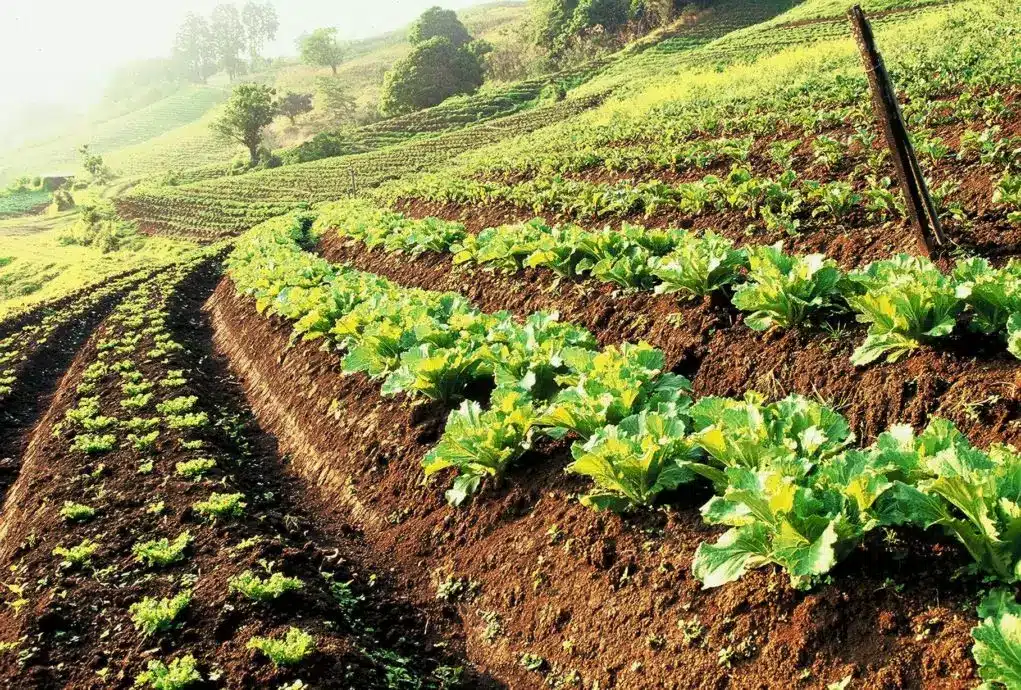
Creating Resilience for Future Generations 🌾
Circular food systems represent more than environmental improvement—they offer pathway to genuine agricultural resilience. By working with natural processes, diversifying operations, reducing external dependencies, and building healthy soils, circular farms weather climate variability, economic disruption, and other challenges more successfully than conventional operations.
This resilience extends beyond individual farms to entire communities and food systems. Local nutrient cycles, diverse production systems, and strong producer-consumer connections create food security that global commodity markets cannot provide. When disruptions occur—pandemics, climate disasters, economic crises—communities with circular food systems demonstrate remarkable adaptability.
The transformation to circular agriculture ultimately reconnects humans with the natural systems supporting life. It acknowledges that human wellbeing depends entirely on ecosystem health, and prosperity flows from regeneration rather than extraction. This fundamental shift in perspective may prove the most revolutionary aspect of circular food systems.
Farmers implementing circular principles today pioneer the agriculture of tomorrow. Their innovations, persistence, and vision create blueprints others can follow. As circular practices prove economically superior and environmentally essential, the question shifts from whether agriculture will transform to how quickly the transition can accelerate. The future of food depends on embracing circular systems that regenerate ecosystems while producing abundant, nutritious food for growing populations.
Every meal consumed, every farm visit made, every policy supported, and every investment directed toward circular agriculture accelerates this vital transition. The power to revolutionize agriculture rests not only with farmers but with everyone who eats—which means everyone can participate in building the sustainable food future our planet desperately needs.
