

Anúncios
Metal detector apps have revolutionized how hobbyists, treasure hunters, and everyday users explore their surroundings using just their smartphones.
Gone are the days when you needed expensive, bulky equipment to search for hidden treasures or locate metal objects around your home. Today’s smartphones come equipped with magnetometers—sensors originally designed for compass functionality—that can detect magnetic fields and help identify metallic objects nearby.
Anúncios
Whether you’re searching for lost jewelry at the beach, checking for metal studs before drilling into walls, or simply exploring the fascinating world of treasure hunting, metal detector apps offer an accessible and convenient solution. Let’s dive deep into everything you need to know about these innovative applications.
🔍 How Metal Detector Apps Actually Work
Understanding the technology behind metal detector apps helps users maximize their effectiveness and set realistic expectations. Your smartphone contains a built-in magnetometer sensor that measures magnetic field strength in microteslas (µT). This sensor was originally implemented to support compass applications and navigation features.
Anúncios
When a metal object comes near your phone, it disrupts the natural magnetic field in that area. The magnetometer detects this disturbance, and the app translates these readings into visual or audio feedback. Ferrous metals like iron and steel create stronger magnetic disruptions, making them easier to detect than non-ferrous metals like aluminum or copper.
The app continuously monitors baseline magnetic field levels in your environment. Most locations have ambient magnetic fields between 30-60 µT. When this value increases significantly—often jumping to 80-100 µT or higher—the app alerts you to the presence of metal nearby.
It’s important to note that these apps cannot detect all metals equally. Non-magnetic materials like gold, silver, and aluminum produce weaker signals and may not register at all unless they’re large or very close to the sensor. This limitation exists because these metals don’t significantly affect magnetic fields.


📱 Top Features to Look for in Quality Metal Detector Apps
Not all metal detector apps are created equal. When choosing an application for your needs, several key features distinguish excellent options from mediocre ones.
Real-time measurement displays show the current magnetic field strength in microteslas, giving you precise numerical feedback. This feature proves especially valuable for users who want technical data rather than just visual indicators.
Audio feedback systems emit beeping sounds that increase in frequency as metal objects approach. This hands-free functionality lets you focus on moving the phone around without constantly watching the screen—particularly useful during outdoor searches.
Vibration alerts provide tactile feedback when metal is detected, creating a multi-sensory experience that improves detection accuracy. This feature works exceptionally well in noisy environments where audio cues might be missed.
Calibration options allow you to adjust the app’s sensitivity based on environmental conditions. Different locations have varying baseline magnetic readings, and proper calibration ensures accurate detection in any setting.
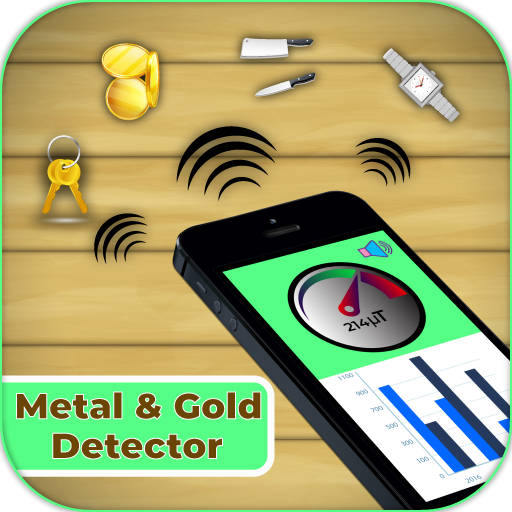
Visual indicators like needle gauges, colored bars, or graphical displays make it easy to interpret magnetic field changes at a glance. Many premium apps offer multiple visualization options to suit different user preferences.
🏖️ Practical Applications for Metal Detector Apps
Metal detector apps serve numerous practical purposes beyond recreational treasure hunting. Their versatility makes them valuable tools for various everyday situations.
Home Improvement and Construction Safety
Before drilling into walls, floors, or ceilings, use a metal detector app to locate hidden nails, screws, electrical wiring conduits, or metal studs. This simple precaution can prevent damage to drill bits, avoid electrical hazards, and save costly repairs.
Professional contractors and DIY enthusiasts alike benefit from having this quick scanning capability. The app serves as an affordable alternative to dedicated stud finders, though it works best for detecting larger metal objects rather than thin wires.
Recovering Lost Items
Lost keys, jewelry, or small metal objects in sand, grass, or carpet become significantly easier to find with metal detector apps. The ability to narrow down search areas saves time and frustration, especially when searching large outdoor spaces.
Beach enthusiasts frequently use these apps to recover dropped earrings, rings, or coins that sink into the sand. While not as powerful as professional metal detectors, smartphone apps provide sufficient capability for recovering recently lost items in known general locations.
Educational Demonstrations
Teachers use metal detector apps to demonstrate magnetic fields and electromagnetic principles in science classes. Students can observe how different metals affect magnetic readings and learn about sensor technology through hands-on experimentation.
This interactive approach makes abstract physics concepts tangible and engaging, fostering curiosity about how everyday technology functions.
Metal Content Verification
Collectors and hobbyists verify whether objects contain metal components using these apps. This proves useful when evaluating antiques, checking authenticity, or determining whether items can safely go through airport security scanners.
⚡ Limitations and Realistic Expectations
While metal detector apps offer impressive functionality, understanding their limitations prevents disappointment and ensures appropriate use.
Smartphone magnetometers are significantly less powerful than dedicated metal detector devices. Professional detectors can identify objects several feet underground, while phone apps typically detect metals only within a few inches of the sensor—usually 2-4 inches maximum.
Environmental interference poses another challenge. Electronic devices, metal furniture, rebar in concrete floors, and even some building materials create magnetic field disruptions that generate false readings. Urban environments often prove more challenging than natural outdoor settings.
Battery consumption can be substantial when running these apps continuously. The constant sensor polling and processing drain power relatively quickly, so extended searching sessions may require portable chargers or multiple devices.
Non-magnetic metals remain largely undetectable through smartphone apps. Gold and silver jewelry, aluminum cans, and copper pipes produce minimal magnetic field disturbances unless they’re extremely close to the sensor or unusually large.
Phone case interference presents an unexpected issue. Thick cases, especially those with magnetic components or metal reinforcements, can block or distort the magnetometer’s readings. For best results, remove protective cases before using detection apps.
🎯 Tips for Maximizing Detection Success
Following proven techniques significantly improves your success rate when using metal detector apps.
Proper calibration is essential. Open the app in an area free from metal objects, allow it to establish baseline readings, and use the calibration feature if available. This step ensures accurate measurements in your specific environment.
Move slowly and methodically. Sweeping your phone too quickly over an area reduces detection accuracy. Maintain steady movement at approximately 6-12 inches per second, keeping the phone parallel to the search surface.
Hold your device correctly. Position the phone so the magnetometer sensor—typically located near the top or bottom—stays closest to the surface being scanned. Consult your device specifications to identify the exact sensor location.
Grid search patterns work best. Divide large areas into sections and systematically scan each grid. This organized approach prevents missing spots and ensures thorough coverage.
Adjust sensitivity settings. In environments with high interference, lower sensitivity reduces false positives. In clean environments, higher sensitivity improves detection of smaller or deeper objects.
Use audio feedback outdoors. When searching beaches, parks, or yards, enable sound alerts so you can focus on scanning patterns rather than watching the screen constantly.
Test with known objects first. Practice detecting items you’ve deliberately placed to understand how your specific phone and app combination responds to different metals at various distances.
🌟 Comparing App Performance Across Devices
Metal detector app performance varies significantly depending on smartphone model and magnetometer quality. Understanding these differences helps set appropriate expectations.
Premium flagship phones typically feature more sensitive magnetometers with better calibration and less electronic interference. Budget devices may have lower-quality sensors that produce less accurate readings or shorter detection ranges.
iPhones generally maintain consistent magnetometer quality across models, making app performance relatively predictable. Android devices show wider variation due to the diverse range of manufacturers and component suppliers.
Newer phone models often incorporate improved shielding that reduces internal electromagnetic interference from processors and wireless radios. This enhancement leads to cleaner magnetic field readings and more reliable detection.
Some users report that older phone models without excessive processing power actually perform better for this specific application, as they generate less internal electromagnetic noise.
💎 Beyond Basics: Advanced Metal Detecting Techniques
Experienced users develop specialized techniques that extract maximum performance from metal detector apps.
Overlapping scan passes increase detection confidence. Make multiple passes over suspicious areas from different angles—metal objects may register more strongly depending on orientation relative to the sensor.
Depth estimation requires practice but becomes possible with experience. By noting the magnetic field strength at the point of initial detection and tracking how it increases as you approach, you can roughly estimate object depth.
Material discrimination, while limited, improves with familiarity. Ferrous metals produce sharp, strong spikes in readings, while larger non-ferrous objects create broader, gentler increases. Recognizing these patterns helps identify likely object types before digging.
Comparative scanning involves checking detected objects against known metal samples. Keeping reference items like steel washers, aluminum foil pieces, and copper wire lets you compare field strengths and improve identification accuracy.
🔧 Troubleshooting Common Detection Issues
Even experienced users encounter challenges when using metal detector apps. These solutions address the most frequent problems.
Erratic readings: If measurements fluctuate wildly, move away from electronic devices, power lines, and metal furniture. Recalibrate in a cleaner environment before resuming your search.
No readings whatsoever: Verify that your phone actually has a magnetometer sensor. Some budget models omit this component. Check device specifications or try downloading a sensor testing app.
False positives: Metal rebar in concrete, hidden electrical conduits, or nearby electronics often trigger alerts. Cross-check suspicious readings by scanning from multiple angles and distances.
Reduced range: Battery saver modes sometimes throttle sensor polling rates, reducing detection effectiveness. Disable power-saving features when using metal detector apps for optimal performance.
App crashes or freezes: Outdated apps may conflict with newer operating systems. Check for updates, clear app cache, or reinstall the application to resolve stability issues.
🌍 Safety Considerations and Legal Awareness
Responsible use of metal detector apps requires awareness of safety precautions and legal restrictions.
Always obtain property owner permission before searching private land. Trespassing laws apply regardless of whether you’re using professional equipment or smartphone apps.
Many public parks, beaches, and historical sites prohibit metal detecting without special permits. Research local regulations before conducting searches to avoid fines or legal complications.
Archaeological sites and protected lands carry strict prohibitions against any form of metal detecting. Disturbing these areas can result in serious legal consequences and damages irreplaceable historical resources.
When detecting near utilities, exercise extreme caution. While apps can identify metal pipes or conduits, they cannot determine whether lines are active. Contact utility companies before any excavation.
Found items may have legal ownership considerations. Valuable discoveries might require reporting to authorities, especially if they could be classified as historical artifacts or lost property with identifiable owners.
🚀 The Future of Smartphone Metal Detection
Technological advances continue improving metal detector app capabilities and expanding potential applications.
Machine learning integration promises enhanced object identification. Future apps may analyze magnetic field patterns to distinguish between different metal types more accurately, reducing guesswork.
Augmented reality overlays could visualize detected objects beneath surfaces, showing approximate locations, depths, and sizes through your phone’s camera view.
Improved sensor technology in upcoming smartphone generations will likely increase detection range and sensitivity, narrowing the performance gap between apps and dedicated devices.
Crowdsourced detection maps might emerge, allowing users to mark and share interesting finds or productive search locations, creating collaborative treasure hunting communities.
Integration with other sensors like ground-penetrating radar or thermal imaging could create multi-spectrum detection apps that identify both metallic and non-metallic objects underground.

✨ Making the Most of Your Metal Detecting Experience
Success with metal detector apps combines realistic expectations, proper technique, and persistent practice. These tools democratize metal detecting, making it accessible to anyone with a smartphone and curiosity.
Start with simple applications like finding lost items around your home or checking walls before drilling. As you develop familiarity with how your device responds to different metals and situations, gradually expand to more ambitious searches.
Join online communities where users share tips, successful finds, and location recommendations. Learning from experienced hobbyists accelerates your skill development and keeps you informed about app updates or newly released options.
Remember that even professional detectorists experience far more unsuccessful searches than triumphant discoveries. Patience, persistence, and enjoyment of the search process itself matter more than constant spectacular finds.
Metal detector apps transform ordinary smartphones into exploration tools that reconnect us with the simple joy of discovery. Whether you’re recovering lost keys, preparing for home repairs, or indulging treasure-hunting fantasies, these applications prove that sometimes the best tools are already in your pocket.
The technology may have limitations compared to professional equipment, but the convenience, accessibility, and zero additional cost make smartphone metal detectors perfect for casual users and curious explorers. Download an app today and start uncovering the hidden metal world around you! 🎉
