Anúncios
Quality sleep is essential for physical health, mental clarity, and overall well-being, yet many people struggle to understand their sleep patterns and how to improve them.
Sleep monitoring apps have revolutionized how we track and optimize our rest. These intelligent tools analyze sleep cycles, detect disturbances, and provide personalized insights to help you wake up refreshed and energized.
Anúncios
Whether you’re battling insomnia, curious about sleep quality, or simply want to establish healthier bedtime routines, a sleep monitoring app can be your personal sleep coach. Let’s explore how these apps work and why they’ve become essential tools for millions seeking better rest. 💤
Anúncios


Understanding How Sleep Monitoring Apps Work
Sleep tracking applications use sophisticated algorithms combined with your smartphone’s sensors to monitor movement and sound patterns throughout the night. The accelerometer detects even subtle movements, while the microphone can pick up snoring, coughing, or environmental disturbances.
These apps analyze your sleep in cycles, distinguishing between light sleep, deep sleep, and REM (Rapid Eye Movement) phases. By understanding these patterns, the technology can determine optimal wake times within your preferred window, ensuring you rise during light sleep rather than deep slumber.
Most advanced sleep apps also incorporate machine learning capabilities. Over time, they recognize your unique sleep patterns, identify trends, and offer increasingly personalized recommendations based on your specific habits and challenges.
Key Features That Make Sleep Apps Invaluable
Modern sleep monitoring applications pack an impressive array of features designed to transform your nightly rest into actionable data and meaningful improvements.
Smart Alarm Technology ⏰
Unlike traditional alarms that jar you awake at a fixed time, smart alarms analyze your sleep cycle and wake you during the lightest phase within a preset window. This gentle approach helps you feel more refreshed and alert, even with the same total sleep duration.
The smart alarm gradually increases volume with soothing sounds rather than harsh beeping, creating a more natural waking experience that mimics sunrise patterns.
Comprehensive Sleep Analysis
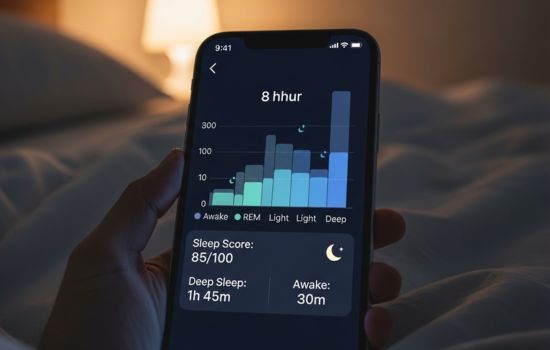
Detailed graphs and statistics show exactly how long you spent in each sleep phase, when you experienced disturbances, and your overall sleep quality score. This visual representation makes it easy to spot patterns and correlations between daily activities and sleep quality.
Many apps track metrics like time to fall asleep, number of wake-ups, total sleep duration, and consistency across weeks and months. These insights empower you to make informed lifestyle adjustments.
Sound Recording and Detection
Sleep apps can record snoring, sleep talking, coughing, or other nighttime sounds. This feature proves particularly valuable for those suspecting sleep apnea or wanting to understand what disrupts their rest.
The recordings are time-stamped and matched to your sleep cycle data, revealing correlations between certain sounds and sleep quality degradation.
Sleep Notes and Tracking Variables
Premium features often include the ability to log daily variables like caffeine intake, exercise, stress levels, or alcohol consumption. The app then correlates these factors with your sleep quality, helping identify what helps or hinders your rest.
This personalized approach transforms generic sleep advice into specific, actionable insights tailored to your lifestyle and body’s unique responses.
The Science Behind Sleep Cycles and Why They Matter
Understanding sleep architecture helps you appreciate why monitoring matters. A typical night progresses through four to six complete sleep cycles, each lasting approximately 90 minutes.
Each cycle contains distinct stages: light sleep (stages 1 and 2), deep sleep (stage 3), and REM sleep. Light sleep serves as the transition phase, deep sleep facilitates physical restoration and immune function, while REM sleep supports memory consolidation and emotional processing.
Waking during deep sleep leaves you groggy and disoriented, a phenomenon called sleep inertia. Sleep apps prevent this by timing your alarm for light sleep phases, when natural waking is easiest and most refreshing.
Consistent disruptions to sleep cycles can accumulate into sleep debt, affecting cognitive performance, mood regulation, metabolism, and long-term health outcomes. Monitoring helps identify and address these disruptions before they become chronic problems.
Choosing the Right Sleep Monitoring App for Your Needs
The market offers dozens of sleep tracking applications, each with unique strengths. Consider these factors when selecting your ideal sleep companion:
Accuracy and Methodology
Apps using both motion sensors and sound analysis typically provide more accurate data than those relying on a single input method. Research user reviews and independent testing to gauge reliability.
Some apps integrate with wearable devices like smartwatches or fitness trackers, combining heart rate data with movement tracking for enhanced precision.
User Interface and Experience
A sleep app should be intuitive and pleasant to use, not another source of bedtime stress. Look for clean designs, easy navigation, and clear data visualization that makes understanding your sleep patterns effortless.
The best apps require minimal interaction before bed—ideally just one tap to activate sleep mode—and present morning insights clearly without overwhelming you with data.
Privacy and Data Security 🔒
Sleep tracking involves sensitive personal data, including audio recordings and health metrics. Review privacy policies carefully, ensuring data encryption, transparent usage policies, and options to delete your information.
Reputable apps clearly state whether they share data with third parties and provide robust security measures to protect your nighttime information.
Cost Considerations
Many sleep apps offer free versions with basic features, while premium subscriptions unlock advanced analytics, extended history, and integration with other health platforms.
Evaluate whether premium features justify the cost for your specific needs. Free versions often suffice for casual tracking, while serious sleep optimization may warrant investment in comprehensive tools.
Maximizing Benefits from Your Sleep Monitoring App
Simply downloading an app won’t magically improve your sleep. Strategic use combined with behavioral changes yields the best results.
Establish Consistent Tracking Habits
Use your app every night for at least two weeks to establish baseline data. Sporadic tracking prevents pattern recognition and limits the app’s ability to provide personalized insights.
Consistency also trains you to develop regular bedtime routines, which independently improves sleep quality through circadian rhythm reinforcement.
Act on Insights and Recommendations
Reviewing data without implementing changes wastes the app’s potential. When you notice correlations—like poor sleep after late caffeine consumption—adjust your habits accordingly and monitor improvements.
Most apps offer personalized tips based on your data. Treat these as experiments, trying suggestions for several nights before evaluating effectiveness.
Optimize Your Sleep Environment
Your app might reveal that environmental factors like noise or temperature fluctuations disrupt your rest. Use this information to make targeted improvements: blackout curtains, white noise machines, temperature adjustments, or better mattresses.
Small environmental tweaks identified through app data often produce surprisingly significant sleep quality improvements.
Don’t Obsess Over Perfection
While tracking provides valuable insights, becoming anxious about achieving “perfect” sleep scores proves counterproductive. Sleep anxiety itself impairs rest quality, creating a harmful cycle.
View your app as a helpful guide rather than a strict taskmaster. Some variation in sleep patterns is natural and healthy—focus on overall trends rather than nightly fluctuations.
Beyond the Bedroom: Additional Benefits of Sleep Tracking
Sleep monitoring apps offer surprising advantages beyond simple rest optimization.
Health Condition Detection
Consistent poor sleep or unusual patterns might indicate underlying health issues like sleep apnea, restless leg syndrome, or thyroid problems. While apps can’t diagnose conditions, they can prompt timely medical consultations with concrete data to share with healthcare providers.
Audio recordings of severe snoring or breathing interruptions provide valuable evidence when discussing potential sleep disorders with doctors.
Mental Health Awareness 🧠
Sleep quality correlates strongly with mental health. Tracking may reveal that increased anxiety, depression symptoms, or stress coincide with sleep disruptions, highlighting the need for mental health support.
Some apps integrate mood tracking, creating comprehensive pictures of how emotional states and sleep influence each other.
Performance Optimization
Athletes, students, and professionals use sleep data to optimize performance. Understanding how rest affects concentration, reaction time, and physical capabilities allows strategic scheduling of important activities during peak alertness periods.
Sleep apps help identify your personal chronotype—whether you’re naturally a morning person or night owl—enabling alignment of schedules with biological preferences when possible.
Relationship and Family Insights
For couples sharing beds, sleep apps can identify whether one partner’s movements or sounds disrupt the other’s rest. This objective data facilitates productive conversations about sleep arrangements without blame or guesswork.
Parents can use sleep tracking to understand how infant sleep patterns affect their own rest, planning recovery strategies and recognizing when additional support is needed.
Common Challenges and How to Overcome Them
Sleep tracking isn’t without potential pitfalls. Awareness of common challenges helps you navigate them effectively.
Battery Drain Concerns
Running apps all night with sensors active can significantly drain smartphone batteries. Mitigate this by charging your phone near the bed, using airplane mode (if the app permits), or investing in devices specifically designed for sleep tracking.
Many modern apps optimize battery usage, but older phones may struggle with overnight sensor operation.
Placement and Position Requirements
Most smartphone-based sleep apps require placing your device on the mattress near your pillow for accurate motion detection. This can feel awkward initially or raise concerns about electromagnetic exposure.
Alternatives include wearable trackers or bedside placement modes (though these may sacrifice some accuracy). Experiment to find comfortable arrangements that maintain tracking reliability.
Partner Interference
Sleeping with a partner can confuse motion-based tracking, as the app might detect their movements as yours. Some apps include partner modes or allow calibration for shared beds, though accuracy may still decrease.
Consider wearable alternatives or separate tracking if sharing a bed significantly compromises data quality.
Over-Reliance on Technology
Technology should supplement, not replace, common-sense sleep hygiene. No app compensates for chronic sleep deprivation, excessive screen time before bed, or fundamental lifestyle issues.
Use apps as tools within a broader sleep wellness strategy that includes consistent schedules, relaxing bedtime routines, and healthy daytime habits.
The Future of Sleep Technology and Monitoring
Sleep tracking technology continues evolving rapidly, with exciting developments on the horizon.
Artificial intelligence increasingly personalizes recommendations, moving beyond generic advice to truly customized sleep coaching based on your unique patterns, health conditions, and lifestyle factors.
Integration with smart home systems allows automatic environmental adjustments—temperature regulation, lighting changes, and sound optimization—based on your sleep cycle in real-time.
Non-invasive sensors embedded in mattresses, bedding, or bedroom devices promise accurate tracking without wearing devices or placing phones on beds, addressing current comfort and convenience limitations.
Medical-grade sleep apps receiving regulatory approval may soon provide diagnostic-level insights, facilitating remote sleep disorder screening and monitoring, especially valuable in areas with limited sleep specialist access.
Making Sleep Monitoring Part of Your Wellness Journey ✨
Incorporating sleep tracking into your daily routine represents an investment in overall health and quality of life. Better sleep amplifies benefits from exercise, nutrition, and stress management efforts, creating positive cascading effects throughout your wellness journey.
Start with realistic expectations. Improvement takes time, and data interpretation develops gradually as you learn your body’s unique signals and responses. Celebrate small victories—falling asleep faster, waking less frequently, or feeling more refreshed—rather than obsessing over perfect scores.
Remember that sleep apps provide information and guidance, but you remain the expert on your own body. Trust your subjective experience alongside objective data, using technology to enhance rather than override your natural awareness.
Quality sleep isn’t a luxury—it’s a fundamental pillar of health deserving thoughtful attention and optimization. Sleep monitoring apps democratize access to insights once available only through expensive sleep studies, empowering everyone to understand and improve their rest.
Download a sleep monitoring app today and begin discovering the transformative power of truly restorative sleep. Your mind, body, and overall well-being will thank you for making rest a priority and approaching it with the same data-driven intentionality you apply to other health goals. Sweet dreams await! 🌙
