
Anúncios
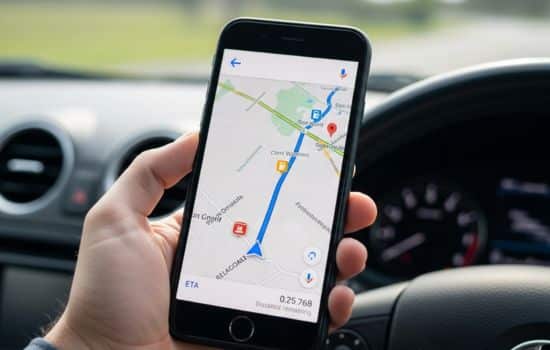
GPS apps have revolutionized how we navigate the world, transforming smartphones into powerful location-tracking tools that guide millions daily through unfamiliar streets and destinations.


Whether you’re commuting to work, exploring a new city, or embarking on a cross-country road trip, GPS navigation apps have become indispensable companions.
Anúncios
These sophisticated applications combine satellite technology, real-time data, and intelligent algorithms to deliver accurate directions right at your fingertips.
The evolution from bulky standalone GPS devices to sleek smartphone apps represents a remarkable technological leap.
Anúncios
Today’s navigation solutions offer far more than simple turn-by-turn directions—they provide live traffic updates, alternative routes, points of interest, and even augmented reality features that enhance your travel experience in ways previously unimaginable.
📍 How GPS Apps Actually Work Behind the Scenes
Understanding the technology powering GPS apps helps appreciate their remarkable capabilities. These applications rely on a constellation of satellites orbiting Earth, constantly transmitting signals that your smartphone receives and interprets to determine your precise location.
Your device communicates with at least four satellites simultaneously to triangulate your position with impressive accuracy. This process, known as trilateration, calculates the distance from each satellite based on signal travel time. Modern GPS apps achieve accuracy within 5-10 meters under optimal conditions, though urban environments with tall buildings can sometimes interfere with signal reception.
Beyond basic positioning, contemporary GPS apps integrate multiple data sources. They pull information from cellular towers, Wi-Fi networks, and even Bluetooth beacons to refine location accuracy, especially in areas where satellite signals struggle to penetrate. This hybrid approach ensures consistent performance whether you’re in downtown skyscrapers or rural landscapes.
🗺️ The Leading GPS Navigation Apps Dominating the Market
The GPS app landscape features several dominant players, each offering unique features tailored to different user needs. Google Maps remains the undisputed leader, boasting comprehensive mapping data for virtually every corner of the globe and integrating seamlessly with other Google services.
Waze has carved out a distinctive niche by emphasizing community-driven real-time updates. Drivers share information about accidents, police presence, road hazards, and traffic conditions, creating a collaborative navigation experience. This crowdsourced approach often provides the most current information about changing road conditions.
Apple Maps has significantly improved since its rocky launch, now offering polished integration with iOS devices and increasingly competitive features. The app excels in privacy protection, processing much of your location data directly on your device rather than transmitting it to company servers.
Specialized apps like Sygic, HERE WeGo, and MapQuest cater to specific preferences, offering offline navigation, detailed points of interest, or simplified interfaces. Each brings something different to the table, ensuring there’s a GPS solution for every type of traveler.
🚗 Essential Features That Define Modern GPS Applications
Today’s GPS apps pack an impressive array of features that extend far beyond basic navigation. Real-time traffic information stands as perhaps the most valuable capability, analyzing current conditions to suggest faster alternative routes that can save significant time during your journey.
Voice-guided navigation allows drivers to keep their eyes on the road while receiving clear, timely instructions. Advanced systems now offer natural-sounding voices in multiple languages and can even read street names accurately, reducing confusion at critical turns.
Offline maps have become increasingly important, especially for international travelers or those venturing into areas with spotty cellular coverage. Downloading maps in advance ensures you’ll never find yourself lost without connectivity when you need directions most.
Integration with points of interest transforms GPS apps into comprehensive travel guides. You can search for nearby restaurants, gas stations, hotels, or attractions, read reviews, check operating hours, and navigate directly to these locations—all within a single application.

⚡ Maximizing Battery Life While Using GPS Navigation
GPS navigation notoriously drains smartphone batteries, but several strategies can extend your device’s endurance during long trips. The constant use of GPS sensors, screen display, and data connectivity creates a perfect storm of power consumption that can deplete your battery in just a few hours.
Reducing screen brightness significantly impacts battery longevity without compromising usability. Most GPS apps function perfectly well at lower brightness levels, and your eyes will appreciate the reduced glare during nighttime driving.
Downloading offline maps eliminates the need for constant data connectivity, which substantially reduces power consumption. When your phone isn’t continuously communicating with cellular towers or Wi-Fi networks, battery life improves dramatically.
Closing unnecessary background apps prevents them from competing for system resources. Many applications continue running even when you’re not actively using them, consuming processing power and draining your battery faster than necessary.
Investing in a car charger or portable power bank provides peace of mind for longer journeys. These accessories ensure your navigation remains functional regardless of battery percentage, eliminating anxiety about losing directions mid-trip.
🌐 Privacy Considerations When Using Location Services
GPS apps collect substantial amounts of data about your movements, raising legitimate privacy concerns that deserve careful consideration. Understanding what information these applications gather and how companies use it empowers you to make informed decisions about which services to trust.
Location history tracking enables helpful features like personalized recommendations and commute predictions, but it also creates detailed records of everywhere you’ve been. Most major GPS apps allow you to review and delete this history, though the process varies by platform.
Third-party data sharing represents another privacy dimension. Some navigation apps share anonymized location data with advertisers or traffic management agencies. Reading privacy policies—admittedly tedious—reveals exactly what information gets collected and how it’s distributed.
Permissions management gives you control over when and how apps access your location. Modern operating systems allow you to grant location access only while using the app, rather than continuously in the background, striking a balance between functionality and privacy.
Alternative privacy-focused GPS apps exist for users particularly concerned about data collection. Applications like OsmAnd and MAPS.ME rely on open-source mapping data and minimize tracking, though they may lack some advanced features offered by mainstream alternatives.
🏞️ GPS Apps for Outdoor Adventures and Hiking
Navigation needs extend beyond paved roads, and specialized GPS apps cater to hikers, cyclists, and outdoor enthusiasts exploring trails and wilderness areas. These applications offer topographic maps, elevation profiles, and trail-specific features that standard road navigation apps simply don’t provide.
AllTrails dominates the hiking app space with an extensive database of trails worldwide, complete with user reviews, photos, and difficulty ratings. The app tracks your progress along routes, recording distance, elevation gain, and estimated completion time.
Gaia GPS appeals to serious backcountry adventurers with professional-grade mapping options, including USGS topo maps, satellite imagery, and specialized overlays for hunting or skiing. The robust offline capabilities ensure navigation remains reliable even in remote areas without cellular coverage.
Komoot excels at route planning for cyclists and hikers, offering turn-by-turn voice navigation adapted to your chosen activity. The app considers factors like trail surface, difficulty, and scenic quality when suggesting routes tailored to your preferences.
These outdoor-focused apps often integrate with fitness tracking platforms and smartwatches, creating comprehensive records of your adventures that combine navigation data with health metrics and photographic memories.
🚴 GPS Navigation for Cyclists and Pedestrians
Cyclists and pedestrians have unique navigation requirements that differ significantly from driving directions. Dedicated features in modern GPS apps recognize these differences, offering routes optimized for two wheels or two feet rather than four.
Bike-friendly routing prioritizes dedicated cycling infrastructure like bike lanes and trails while avoiding highways and dangerous intersections. These specialized algorithms consider factors like elevation changes, road surface quality, and traffic volume to suggest safer, more enjoyable routes.
Walking directions take shortcuts through pedestrian-only areas, parks, and public transportation hubs that cars can’t access. The time estimates account for average walking speed rather than driving speed, providing realistic arrival predictions.
Public transportation integration has become increasingly sophisticated, combining walking, cycling, and transit options into seamless multimodal journeys. Apps display real-time bus and train schedules, platform information, and even crowding levels to help you plan efficient urban commutes.
Safety features specifically designed for vulnerable road users include alerts about high-traffic areas, poorly lit streets at night, or routes with inadequate pedestrian infrastructure. Some apps allow users to share their location with trusted contacts, adding an extra layer of security.
🌍 International Travel and GPS Apps Across Borders
Traveling internationally introduces additional complexities to GPS navigation, from data roaming charges to unfamiliar road systems. Proper preparation ensures your navigation remains functional and affordable regardless of which country you’re exploring.
Downloading offline maps before departure eliminates dependence on international data plans, which can be prohibitively expensive. Most major GPS apps allow you to download entire countries or regions, providing full navigation capability without internet connectivity.
Language support varies significantly between applications. The best GPS apps offer interface translation and voice guidance in dozens of languages, while also displaying local street names in native scripts alongside transliterations for easier recognition.
Map accuracy and coverage differ dramatically by region. While major apps excel in developed countries, coverage in developing nations may be incomplete or outdated. Researching which apps offer the best mapping data for your specific destination saves frustration later.
Understanding local driving conventions becomes easier with GPS apps that adapt to regional norms. Features like speed limit displays, currency conversion for toll roads, and warnings about local traffic laws help foreign drivers navigate safely and legally.
💡 Pro Tips for Getting the Most From Your GPS App
Mastering advanced features and hidden capabilities transforms your GPS app from a basic navigation tool into an indispensable travel companion. These expert techniques enhance accuracy, save time, and unlock functionality many users never discover.
Regularly updating your GPS app and its map data ensures you benefit from the latest road changes, new features, and bug fixes. Developers constantly refine routing algorithms and add points of interest, making updates genuinely valuable rather than just incremental changes.
Customizing voice guidance preferences allows you to strike the perfect balance between helpful instructions and annoying interruptions. You can typically adjust the frequency of announcements, choose different voice options, and even mute guidance entirely while keeping visual directions active.
Adding frequent destinations to your favorites or home/work locations enables one-tap navigation without typing addresses. Most apps learn your patterns over time, proactively suggesting destinations based on your schedule and typical movements.
Exploring alternative route options before starting your journey provides valuable context about different path choices. Comparing estimated times, distances, and route characteristics helps you make informed decisions rather than blindly following the app’s default suggestion.
Reporting issues like road closures, accidents, or incorrect map data improves the experience for everyone while contributing to community-maintained accuracy. Many GPS apps reward active contributors with special badges or enhanced features.
🔮 The Future of GPS Navigation Technology
Emerging technologies promise to revolutionize GPS navigation in ways that seem straight out of science fiction. Augmented reality overlays will project directional arrows and information directly onto your view of the real world through your smartphone camera or AR glasses.
Artificial intelligence will transform route planning by learning your preferences, predicting your destinations, and automatically suggesting optimal departure times to avoid traffic. Machine learning algorithms will personalize every aspect of navigation based on your unique patterns and priorities.
Autonomous vehicle integration represents another frontier, with GPS apps evolving to communicate directly with self-driving cars. Navigation will become seamless as your vehicle automatically follows routes you’ve planned while you focus on other activities.
Indoor navigation through shopping malls, airports, and large buildings will expand GPS capabilities beyond outdoor spaces. Bluetooth beacons and Wi-Fi positioning will guide you to specific stores, gates, or meeting rooms within complex structures.
Enhanced 3D mapping will provide photorealistic representations of your surroundings, making orientation easier in unfamiliar environments. These detailed visualizations will help you recognize landmarks and navigate with greater confidence.
🎯 Choosing the Right GPS App for Your Needs
Selecting the ideal GPS application depends on your specific requirements, travel habits, and personal preferences. No single app excels in every category, so understanding your priorities helps identify the best match.
Consider whether you primarily need urban navigation, rural directions, or outdoor trail guidance. General-purpose apps like Google Maps excel at everyday driving and walking, while specialized alternatives better serve specific activities like hiking or cycling.
Evaluate how important offline functionality is for your use case. Frequent international travelers or those adventuring in remote areas benefit enormously from apps with robust offline capabilities, while urban users with reliable connectivity may prioritize other features.
Privacy preferences should influence your decision, especially if you’re uncomfortable with extensive data collection. Examining privacy policies and available settings helps ensure your chosen app aligns with your comfort level regarding location tracking.
Interface design and ease of use matter more than many people initially realize. An app packed with features becomes frustrating if you can’t quickly access what you need. Testing several options helps identify which interface feels most intuitive for your usage patterns.
GPS apps have fundamentally transformed how we experience movement through physical space, making navigation accessible, reliable, and remarkably sophisticated. Whether you’re navigating daily commutes, exploring new destinations, or venturing into wilderness areas, the right GPS application serves as your trusted guide. As technology continues advancing, these tools will only become more intelligent, personalized, and seamlessly integrated into our mobile lives. The future of navigation is bright, and it fits perfectly in your pocket. 🌟
