Anúncios
Sleep tracking apps have revolutionized how we understand and improve our nightly rest, offering insights that were once only available in specialized sleep laboratories.


In today’s fast-paced world, quality sleep has become a precious commodity. Many of us struggle with inconsistent sleep patterns, frequent awakenings, or simply feeling unrested despite spending adequate hours in bed.
Anúncios
This is where sleep monitoring applications step in, transforming your smartphone into a personal sleep laboratory that tracks, analyzes, and helps optimize your sleep quality.
These innovative tools use sophisticated algorithms combined with your device’s sensors to monitor movement, sound, and even heart rate throughout the night.
Anúncios
The data collected provides valuable insights into your sleep cycles, helping you identify patterns and make informed decisions about your bedtime routine, environment, and lifestyle habits that affect your rest.
🌙 Understanding How Sleep Monitoring Apps Work
Sleep tracking applications primarily rely on accelerometer technology built into your smartphone. When placed on your mattress near your pillow, the device detects subtle movements throughout the night. These movements correspond to different sleep stages, allowing the app to distinguish between light sleep, deep sleep, and REM (Rapid Eye Movement) sleep.
The science behind this technology is surprisingly accurate. During deep sleep, your body remains relatively still, while light sleep and REM stages involve more movement. By analyzing these patterns, the app creates a detailed graph of your sleep architecture throughout the night.
Advanced sleep monitoring apps also incorporate audio analysis. The microphone picks up sounds like snoring, sleep talking, or environmental disturbances that might affect your sleep quality. Some applications even record these sounds, allowing you to listen back and identify issues you weren’t aware of.
Modern versions have expanded to include integration with wearable devices like smartwatches and fitness trackers. These wearables offer even more precise data through heart rate monitoring and skin temperature sensors, providing a comprehensive picture of your physiological state during sleep.
💡 Key Features That Make Sleep Apps Essential
The best sleep monitoring applications come packed with features designed to not just track but actively improve your sleep quality. Smart alarm functionality stands out as one of the most appreciated features. Instead of waking you at a fixed time, the app monitors your sleep cycles and wakes you during your lightest sleep phase within a designated time window.
This intelligent wake-up approach can make a dramatic difference in how you feel in the morning. Waking up from deep sleep leaves you groggy and disoriented, while emerging from light sleep feels natural and refreshing.
Sleep Quality Analysis and Trends
Comprehensive sleep analysis goes beyond basic tracking. Quality apps provide detailed breakdowns of your sleep stages, showing what percentage of your night was spent in deep, light, and REM sleep. This information is crucial because each stage serves different restorative functions.
Deep sleep is essential for physical recovery and immune system strengthening. REM sleep plays a critical role in memory consolidation and emotional processing. Light sleep acts as a transition phase but also contributes to overall rest. Understanding your personal sleep architecture helps identify deficiencies or imbalances.
Long-term trend analysis reveals patterns you might miss day-to-day. You might discover that your sleep quality decreases after consuming caffeine past 3 PM, or that exercising in the evening actually improves your deep sleep duration. These insights empower you to make evidence-based adjustments.
Environmental Tracking and Optimization
Many sleep apps now incorporate environmental monitoring, tracking factors like room temperature, humidity, and ambient noise levels. These variables significantly impact sleep quality, and having concrete data helps you optimize your bedroom conditions.
Some applications provide recommendations based on your environment. If your room is too warm, the app might suggest adjusting your thermostat. If noise levels spike during certain hours, you might consider soundproofing solutions or using white noise.
📊 Interpreting Your Sleep Data Effectively
Collecting data is only valuable if you know how to interpret it. Sleep monitoring apps present information in various formats, from simple sleep scores to detailed graphs and statistics. Understanding what these metrics mean helps you take meaningful action.
Your sleep score typically represents an overall assessment of your night’s rest, factoring in duration, efficiency, and quality. While a single night’s score shouldn’t cause concern, consistent low scores indicate patterns worth addressing.
Sleep efficiency measures the percentage of time you actually spend sleeping versus lying in bed. An efficiency rate below 85% suggests difficulties falling asleep or frequent awakenings. High efficiency indicates you’re maximizing your time in bed for actual rest.
Identifying Sleep Disruptions and Their Causes
One of the most valuable aspects of sleep tracking is identifying disruptions. Your app might reveal that you wake up multiple times each night, even if you don’t consciously remember these awakenings. Short arousals are normal, but frequent or prolonged ones deserve attention.
By correlating disruptions with recorded sounds, you can identify specific causes. Is your partner’s snoring waking you? Are outside noises penetrating your bedroom? Is your pet jumping on the bed? Pinpointing these issues is the first step toward solutions.
The app might also reveal that your disruptions follow patterns. If you consistently wake around 3 AM, it could indicate blood sugar drops, stress hormones, or other physiological factors worth discussing with a healthcare provider.
🎯 Maximizing the Benefits of Your Sleep App
To get the most from your sleep monitoring application, consistency is key. Use the app every night for at least two weeks before drawing conclusions. Sleep patterns vary naturally, and a comprehensive data set provides more reliable insights than isolated nights.
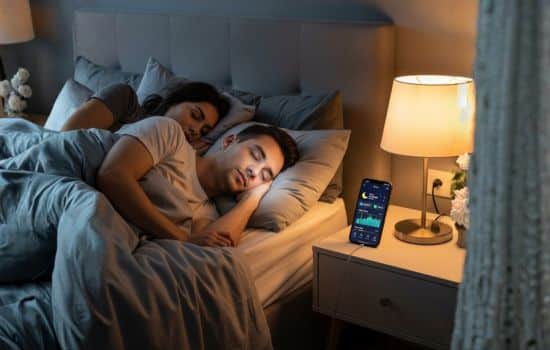
Placement matters significantly for accuracy. Your phone should be positioned on the mattress near your pillow, not on a nightstand or across the room. Ensure it’s plugged in or has sufficient battery, and enable airplane mode if you’re concerned about electromagnetic radiation exposure.
Creating Actionable Sleep Improvement Plans
The real power of sleep apps emerges when you translate data into action. If your app reveals insufficient deep sleep, experiment with factors known to enhance it: exercise timing, room temperature reduction, or avoiding alcohol before bed.
For issues with sleep onset (taking too long to fall asleep), try implementing a consistent wind-down routine. Your app’s data can help you identify the optimal time to start this routine based on when you naturally begin feeling sleepy.
Many apps include sleep aid features like guided meditations, breathing exercises, or soothing soundscapes. Experiment with these tools and track whether they correlate with improved metrics. What works varies individually, so personalization is essential.
🔬 The Science Behind Sleep Cycles
Understanding sleep architecture enhances your ability to use tracking data effectively. A typical night cycles through four to six complete sleep cycles, each lasting approximately 90 minutes. These cycles contain distinct stages with different characteristics and purposes.
Stage 1 (N1) is the lightest sleep, lasting just a few minutes as you transition from wakefulness. You’re easily awakened during this stage, and your muscles begin to relax while your eye movements slow.
Stage 2 (N2) represents true sleep onset. Your heart rate slows, body temperature drops, and eye movements stop. This stage occupies about half your total sleep time and plays a role in memory consolidation.
Stage 3 (N3), also called slow-wave or deep sleep, is the most restorative phase. Your body repairs tissues, builds bone and muscle, and strengthens immune function. Waking from deep sleep causes grogginess and disorientation.
REM sleep is when most vivid dreaming occurs. Your brain becomes highly active, processing emotions and consolidating certain types of memories. Your voluntary muscles become temporarily paralyzed, preventing you from acting out dreams.
Why Cycle Timing Matters for Waking
This cyclical nature explains why smart alarms work so effectively. If your alarm targets the end of a 90-minute cycle when you’re naturally in lighter sleep, waking feels easier and more natural. Interrupting deep sleep or mid-REM creates that terrible groggy feeling that can persist for hours.
Sleep monitoring apps detect which stage you’re in based on movement patterns and physiological signals. By setting a 30-minute wake window, the app can identify the optimal moment within your target wake time to rouse you gently.
🛡️ Privacy and Data Security Considerations
When using sleep tracking applications, you’re sharing intimate data about your daily routines and health patterns. Reputable apps prioritize user privacy, but it’s important to understand how your information is handled, stored, and potentially shared.
Review the app’s privacy policy before committing to regular use. Look for clear statements about data encryption, whether information is sold to third parties, and how long data is retained. Premium apps often provide stronger privacy protections than free alternatives that monetize through data.
Consider whether the app stores data locally on your device or uploads it to cloud servers. Cloud storage enables access across devices and prevents data loss if your phone is damaged, but it does create additional privacy considerations.
Many sleep apps now comply with health data regulations like HIPAA in the United States or GDPR in Europe. Compliance with these frameworks indicates the company takes privacy seriously and implements appropriate safeguards.
⚡ Combining Sleep Tracking with Lifestyle Changes
Sleep monitoring apps provide maximum value when paired with intentional lifestyle modifications. The data reveals what’s happening, but you must take action to drive improvements. Several evidence-based strategies consistently enhance sleep quality across populations.
Maintaining a consistent sleep schedule proves crucial. Going to bed and waking at the same times daily, even on weekends, strengthens your circadian rhythm. Your app’s data will likely show improved efficiency and quality once your schedule stabilizes.
Light exposure management dramatically affects sleep. Bright light, especially blue wavelengths from screens, suppresses melatonin production. Many sleep apps include features that remind you to dim lights or put away devices before bed. Track whether these reminders correlate with falling asleep faster.
Nutrition and Exercise Timing
What and when you eat impacts sleep more than most people realize. Large meals close to bedtime disrupt sleep architecture, which your app will clearly show. Experiment with dinner timing and note correlations with your deep sleep duration.
Caffeine’s half-life means afternoon coffee still affects nighttime sleep. Track your caffeine intake alongside your sleep data to identify your personal cutoff time. Some people metabolize caffeine quickly, while others remain sensitive well into the evening.
Exercise generally improves sleep, but timing matters. Vigorous exercise too close to bedtime can be stimulating for some individuals. Your sleep app helps you identify whether evening workouts help or hinder your specific sleep quality.
🌟 Advanced Features in Premium Sleep Apps
While free versions of sleep tracking apps provide substantial value, premium subscriptions unlock advanced features that serious sleep optimizers find worthwhile. Detailed sleep stage analysis with scientific accuracy requires sophisticated algorithms that justify subscription fees.
Extended historical data access allows you to review months or years of sleep patterns, identifying seasonal variations or long-term trends. This longitudinal view reveals whether improvements you’ve implemented truly work over time rather than just producing temporary placebo effects.
Integration with other health platforms creates a comprehensive wellness picture. Connecting your sleep app with fitness trackers, nutrition logs, and mood journals reveals correlations you’d otherwise miss. You might discover that poor sleep follows days with insufficient protein or excessive stress.
Personalized Sleep Coaching and Recommendations
AI-powered sleep coaching represents the frontier of sleep optimization technology. These systems analyze your unique patterns and provide customized recommendations rather than generic advice. If your data shows specific deficiencies, the app suggests targeted interventions.
Some premium apps include access to sleep specialists who review your data and provide professional guidance. This hybrid approach combines technology’s data collection capabilities with human expertise in interpretation and personalized strategy development.
🚀 The Future of Sleep Monitoring Technology
Sleep tracking technology continues evolving rapidly. Emerging innovations promise even more accurate, comprehensive, and actionable sleep insights. Contactless monitoring systems using radio frequency or sophisticated audio analysis eliminate the need for devices in your bed or wearables on your body.
Integration with smart home systems represents another exciting frontier. Your sleep app could automatically adjust room temperature, close blinds, and activate white noise machines based on your personal sleep data and preferences.
Predictive algorithms may soon anticipate poor sleep nights before they happen, based on factors like stress levels, activity patterns, and environmental conditions. Proactive interventions could prevent sleep disruptions rather than simply documenting them after the fact.
Medical integration is expanding as healthcare providers recognize the value of objective sleep data. Sleep apps may become standard diagnostic tools, with your data shared directly with doctors to inform treatment decisions for sleep disorders and related conditions.
🎓 Learning to Sleep Better Through Data
The ultimate purpose of sleep monitoring isn’t accumulating data for its own sake but transforming that information into consistently better rest. View your sleep app as an educational tool that teaches you about your body’s unique needs and responses.
Start with small experiments based on your data. Change one variable at a time and track results over at least a week. This methodical approach helps you identify what truly makes a difference versus random variation.
Celebrate improvements while maintaining realistic expectations. Perfect sleep every night isn’t a reasonable goal. Instead, aim for consistent trends toward better quality, more efficient rest, and mornings when you wake feeling genuinely refreshed.
Share your insights with healthcare providers during wellness visits. Objective sleep data provides valuable context for numerous health issues, from weight management to mental health to chronic disease risk. Your doctor may recognize patterns you haven’t considered.
Remember that sleep monitoring apps are tools, not solutions themselves. They illuminate the path toward better sleep, but you must walk that path through consistent healthy habits, environmental optimization, and stress management. The combination of awareness and action creates lasting improvements.
Quality sleep represents one of the three fundamental pillars of health alongside nutrition and exercise. By leveraging modern technology to understand and optimize your sleep, you invest in every aspect of your wellbeing. Better sleep means sharper thinking, improved mood, stronger immunity, and enhanced quality of life.
Start tonight by downloading a sleep monitoring app and beginning your journey toward truly restorative rest. The insights you gain may transform not just how you sleep, but how you live. 🌟💤
