
Anúncios
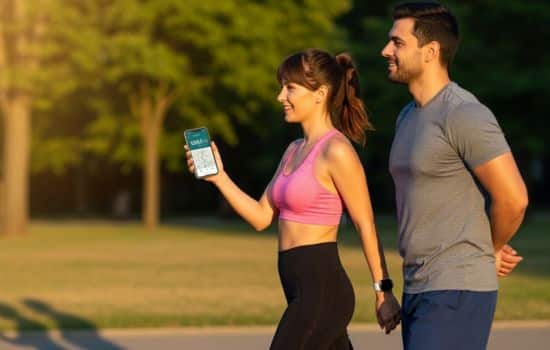
Step counter apps have revolutionized how millions of people track their daily physical activity, turning smartphones into powerful fitness companions that motivate healthier lifestyles.


Walking is one of the most accessible forms of exercise, requiring no special equipment or gym membership.
Anúncios
Yet, without a way to measure our progress, it’s easy to underestimate or overestimate how much we actually move throughout the day.
This is where step counter apps shine. By leveraging the sensors already built into your smartphone,
Anúncios
these applications provide accurate tracking, insightful data, and the motivation needed to reach your fitness goals—all from the device you already carry everywhere.
📱 Why Step Counter Apps Have Become Essential Fitness Tools
The rise of health consciousness has made fitness tracking more popular than ever. Step counter apps offer a simple entry point into the world of wellness without overwhelming users with complex metrics or expensive equipment.
These apps work by utilizing your phone’s accelerometer and gyroscope sensors to detect movement patterns. Every step you take creates a unique motion signature that the app recognizes and counts, providing real-time feedback on your activity levels.
What makes step counters particularly appealing is their passive nature. Unlike dedicated fitness trackers that require charging and remembering to wear, your phone is likely already in your pocket or bag, silently counting steps throughout your entire day.
The psychological benefits are equally compelling. Seeing your step count increase throughout the day creates a sense of accomplishment and encourages you to move more. Many users report taking stairs instead of elevators or walking extra blocks simply to reach their daily goals.
🎯 Setting Realistic Daily Step Goals
The famous 10,000 steps per day target has become almost mythical in fitness culture, but understanding where this number comes from helps set more personalized goals.
Originally popularized by Japanese pedometer marketing campaigns in the 1960s, the 10,000-step goal has some scientific backing but isn’t necessarily optimal for everyone. Research shows significant health benefits can be achieved with as few as 7,000 daily steps, especially for older adults.
Your ideal step count depends on several factors:
- Current fitness level and baseline activity
- Age and overall health conditions
- Professional lifestyle (desk job versus active work)
- Specific fitness objectives (weight loss, cardiovascular health, general wellness)
- Time availability and schedule constraints
Starting with a realistic baseline and gradually increasing your target by 500-1,000 steps weekly leads to sustainable habits. This progressive approach prevents burnout and reduces injury risk while building genuine lifestyle changes.
🔍 Key Features That Make a Step Counter App Stand Out
Not all step counting applications are created equal. The best ones combine accurate tracking with features that enhance user experience and motivation.
Accuracy and reliability form the foundation. The app should differentiate between actual walking steps and other movements like driving or arm swinging. Advanced algorithms filter out false positives to provide trustworthy data.
Battery efficiency matters tremendously since the app runs continuously. Well-optimized apps use minimal battery power by smartly managing sensor access and background processes.
User interface design should present information clearly without overwhelming you with data. A quick glance should tell you your current step count, remaining steps to goal, and distance covered.
Historical tracking allows you to view trends over weeks and months, helping identify patterns and celebrate long-term progress. Graphs and charts make this data digestible and motivating.
Customization options let you adjust sensitivity settings, choose which statistics to display, and personalize goals based on your specific needs and preferences.

💪 Health Benefits Beyond Just Counting Steps
While tracking steps provides valuable data, the real magic happens in the health improvements that consistent walking delivers to your body and mind.
Cardiovascular health receives an immediate boost from regular walking. Your heart becomes more efficient at pumping blood, blood pressure normalizes, and circulation improves throughout your entire body. Studies show that people who walk 7,000+ steps daily have significantly lower mortality rates.
Weight management becomes more achievable when you increase daily movement. While walking alone won’t create dramatic weight loss, it contributes meaningfully to caloric expenditure and helps maintain muscle mass during calorie restriction.
Mental health benefits are equally profound. Walking reduces stress hormones, increases endorphin production, and provides opportunities for outdoor exposure and vitamin D synthesis. Many users report improved mood and reduced anxiety symptoms.
Joint health and bone density improve with regular walking, especially important as we age. The low-impact nature makes it accessible for people with arthritis or other joint conditions, while still providing enough stimulus to strengthen bones.
📊 Understanding the Data Your App Provides
Step counter apps offer various metrics beyond the basic step count. Understanding these measurements helps you leverage the technology more effectively.
Distance traveled estimates how many miles or kilometers you’ve covered based on your step count and stride length. While not perfectly accurate, it provides useful context for your activity level.
Calories burned calculations factor in your weight, walking speed, and terrain to estimate energy expenditure. Remember these are approximations, but they help understand walking’s contribution to your overall energy balance.
Active time differentiates between total steps and continuous walking sessions. This metric highlights sustained activity periods, which offer different health benefits than scattered steps throughout the day.
Walking speed indicates your pace, useful for gauging intensity and tracking fitness improvements over time. As cardiovascular fitness improves, you’ll naturally walk faster at the same perceived effort level.
| Metric | What It Measures | Why It Matters |
|---|---|---|
| Steps | Individual footfalls detected | Primary activity indicator |
| Distance | Estimated ground covered | Contextualizes effort |
| Calories | Energy expenditure estimate | Weight management support |
| Active Minutes | Continuous movement periods | Intensity assessment |
🌟 Staying Motivated with Gamification Features
The best step counter apps understand that data alone doesn’t sustain long-term behavior change. Gamification elements transform tracking into an engaging experience.
Achievement badges reward milestones like reaching 10,000 steps for consecutive days or walking specific total distances. These virtual rewards trigger the same dopamine response as tangible accomplishments, reinforcing positive behaviors.
Challenges and competitions let you compete against friends, family, or global users. The social accountability factor significantly increases adherence, as nobody wants to let their team down or lose a friendly competition.
Streak tracking builds momentum by highlighting how many consecutive days you’ve met your goal. The longer your streak grows, the more motivated you become to maintain it—a powerful psychological hook.
Progress visualization through charts and graphs makes abstract numbers feel concrete. Watching your weekly average climb or seeing your most active days highlighted creates tangible evidence of improvement.
🔋 Maximizing Battery Life While Tracking Steps
Continuous step tracking naturally consumes battery, but smart practices minimize the impact without sacrificing accuracy.
Modern step counter apps use sophisticated algorithms that balance accuracy with power consumption. They sample sensor data strategically rather than monitoring constantly, reducing battery drain while maintaining reliable counts.
Disabling unnecessary features helps conserve power. If you don’t need GPS tracking for outdoor walks or don’t care about elevation changes, turning off these features extends battery life significantly.
Keeping your phone’s operating system updated ensures you benefit from the latest power management improvements. Manufacturers continually optimize sensor handling and background process management.
Battery saver modes on most phones can work alongside step counters without losing data. The app continues counting even when other functions are restricted, ensuring you never miss tracking your activity.
🏃 Integrating Step Counting with Broader Fitness Goals
While step counters excel at tracking walking, viewing them as part of a comprehensive fitness approach yields the best results.
Combining step goals with strength training creates balanced fitness. Walking builds cardiovascular endurance and burns calories, while resistance exercises maintain muscle mass and metabolic rate—complementary activities that enhance overall health.
Nutrition tracking pairs naturally with step counting. Many users discover that increased awareness of movement naturally leads to more mindful eating. Some apps integrate both features, providing a holistic view of energy balance.
Sleep quality often improves with increased daily activity. The fatigue from reaching step goals helps regulate circadian rhythms, making it easier to fall asleep and achieve deeper rest cycles.
Hydration awareness grows when you’re more active. Walking more means you need adequate fluid intake, and conscious step counters tend to develop better hydration habits alongside their movement goals.
🌍 Walking Your Way to Environmental Benefits
Step counter apps inadvertently promote environmental consciousness by encouraging walking over driving for short distances.
Choosing to walk instead of driving for errands under two miles significantly reduces carbon emissions. When multiplied across millions of app users, this collective impact becomes substantial in reducing urban pollution and traffic congestion.
Walking supports local businesses by making you more likely to discover neighborhood shops and restaurants rather than driving to familiar chain locations. This strengthens community economic health while increasing your daily steps.
Reduced vehicle dependence decreases demand for parking infrastructure and road expansion, allowing cities to invest in pedestrian-friendly designs that benefit everyone’s quality of life.
🛠️ Troubleshooting Common Step Counter Issues
Even the best apps occasionally encounter problems. Understanding common issues and solutions keeps your tracking accurate.
Inaccurate counts often result from phone placement. Carrying your device in a secure pocket closest to your body’s center of movement yields the most accurate results. Loose bags or backpacks introduce motion variability that confuses sensors.
Missing steps sometimes occur when the app isn’t granted necessary permissions. Ensure location services, physical activity tracking, and background app refresh are enabled in your phone’s settings.
Calibration improves accuracy for your specific stride and walking pattern. Some apps offer calibration walks where you manually count a set number of steps so the algorithm can adjust to your unique gait.
Syncing problems between devices can usually be resolved by checking your internet connection and ensuring you’re logged into the same account on all devices. Force closing and reopening the app often resolves temporary glitches.
👥 Building Community Through Step Challenges
The social dimension of step counting transforms solitary walking into a shared experience that enhances motivation and accountability.
Family challenges create fun, healthy competition between household members. Parents appreciate step counting as a way to encourage children toward active lifestyles while setting positive examples.
Workplace wellness programs increasingly incorporate team step challenges. These initiatives improve employee health while building camaraderie and reducing healthcare costs for organizations.
Online communities provide support, tips, and encouragement from people worldwide pursuing similar fitness goals. Sharing achievements and strategies creates connections that transcend geographical boundaries.
🎨 Customizing Your Step Counting Experience
Personalizing your app settings ensures the tool works optimally for your unique lifestyle and preferences.
Notification preferences determine when and how the app reminds you to move. Some users appreciate hourly prompts if they’ve been sedentary, while others prefer end-of-day summaries without interruptions.
Visual themes and widget designs let you match the app’s appearance to your aesthetic preferences. A pleasant, personalized interface increases how often you engage with the data.
Goal adjustments should reflect your evolving fitness level. As reaching 10,000 steps becomes routine, increasing to 12,000 or 15,000 provides continued growth and challenge.
Privacy settings control what data gets shared and with whom. Reviewing these options ensures your health information remains as private or public as you prefer.
🚀 The Future of Step Counting Technology
Innovation continues advancing step counter capabilities beyond simple counting toward comprehensive health insights.
Artificial intelligence integration will provide increasingly personalized recommendations based on your patterns, health conditions, and goals. Machine learning algorithms will identify optimal times for activity based on your schedule and energy levels.
Wearable integration creates seamless data synchronization between phones, smartwatches, and fitness bands. This multi-device approach improves accuracy and ensures no activity goes unrecorded.
Health metric expansion will incorporate heart rate variability, stress levels, and recovery indicators alongside step counts. This holistic approach provides deeper understanding of overall wellness rather than isolated activity data.
Augmented reality features might soon gamify real-world walking with virtual rewards visible through your phone’s camera, turning neighborhood walks into immersive adventures that boost engagement.
💡 Making Every Step Count Toward Better Health
Step counter apps represent more than just technology—they’re tools for transformation that make healthy living accessible, measurable, and enjoyable.
The simplicity of counting steps removes barriers that intimidate people away from fitness. You don’t need special skills, expensive memberships, or complicated equipment. Just your phone and the willingness to move.
Consistency matters more than intensity. A moderate daily step goal maintained over months delivers far greater health benefits than sporadic intense exercise followed by inactivity. Step counters excel at building this sustainable consistency.
Celebrating small victories keeps motivation high. Whether it’s your first 5,000-step day or your hundredth consecutive day meeting goals, acknowledging progress reinforces the behaviors that create lasting change.
Remember that step counting is a means to an end, not the end itself. The true goal is improved health, increased energy, better mood, and enhanced quality of life. The numbers simply help you get there.
Start where you are, use what you have, and do what you can. Your step counter app will be there every step of the way, turning each footfall into progress toward becoming the healthiest version of yourself. 🌟
