
Anúncios
Breaking language barriers has never been easier with modern real-time translator apps that transform how we communicate across cultures and continents.
Whether you’re traveling abroad, conducting international business, or simply trying to connect with someone who speaks a different language, real-time translator apps have become indispensable tools in our interconnected world.
Anúncios
These powerful applications leverage advanced artificial intelligence and machine learning to provide instant translations that keep conversations flowing naturally.
The evolution of translation technology has been remarkable.
Anúncios
From clunky phrase books and awkward point-and-gesture communication to sophisticated apps that can translate spoken words in milliseconds, we’ve witnessed a revolution in cross-cultural communication. Today’s translator apps don’t just convert words—they understand context, recognize different accents, and even adapt to regional dialects. 🌍
Why Real-Time Translation Apps Are Game-Changers
The impact of real-time translator apps extends far beyond simple convenience. These applications have fundamentally altered how people interact across language divides. Business professionals can negotiate deals without hiring expensive interpreters. Travelers can navigate foreign countries with confidence. Students can access educational content in languages they’re still learning.
What makes these apps truly revolutionary is their ability to process language instantaneously. Unlike traditional translation methods that required patience and time, modern apps provide translations within seconds, allowing conversations to maintain their natural rhythm and flow. This immediacy creates authentic communication experiences that were previously impossible without bilingual speakers.
The Technology Behind Instant Translation ⚡
Real-time translator apps rely on sophisticated neural machine translation (NMT) systems. These advanced algorithms analyze entire sentences rather than translating word-by-word, which results in more accurate and contextually appropriate translations. The technology continuously learns from millions of translation examples, improving accuracy with each interaction.
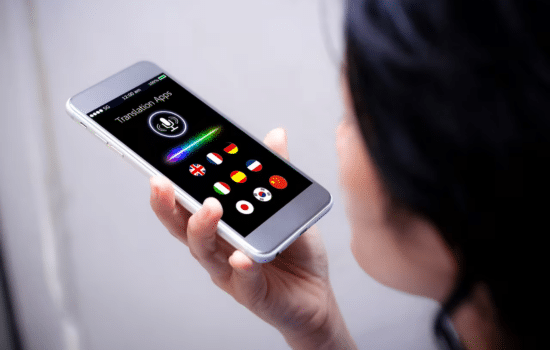
Speech recognition technology works in tandem with translation engines. When you speak into your device, the app first converts your speech to text, then translates that text into the target language, and finally converts it back to speech if needed. This entire process happens in fractions of a second, creating the seamless experience users have come to expect.
Essential Features to Look for in Translation Apps
Not all translator apps are created equal. Understanding which features matter most can help you choose the right tool for your specific needs. Here are the capabilities that separate exceptional apps from mediocre ones:
- Offline functionality: The ability to translate without an internet connection is crucial when traveling to areas with limited connectivity
- Voice translation: Speaking naturally and receiving verbal translations creates more organic conversations
- Camera translation: Pointing your camera at signs, menus, or documents for instant visual translation
- Conversation mode: Back-and-forth dialogue translation that automatically detects which language is being spoken
- Accent recognition: Understanding different regional pronunciations and speech patterns
- Text translation: Traditional typing and text-based translation for written communication
- Language variety: Support for numerous languages, including less common dialects
Voice Translation: The Heart of Real-Time Communication 🎤
Voice translation represents the pinnacle of real-time translator technology. This feature allows users to speak naturally in their native language while the app instantly converts their words into another language. The technology has advanced to the point where it can handle complex sentences, idiomatic expressions, and even emotional nuance.
Modern voice translation systems can distinguish between different speakers in a conversation, automatically detecting when the language switches. This creates a fluid dialogue experience where both parties can communicate without constantly pressing buttons or selecting language options.
Practical Applications Across Different Scenarios
Real-time translator apps serve countless purposes across various aspects of modern life. Their versatility makes them valuable tools regardless of your profession or personal circumstances.
Travel and Tourism ✈️
For travelers, these apps are digital companions that unlock new destinations. Ordering food at local restaurants, asking for directions, negotiating prices at markets, or having meaningful conversations with locals all become possible even without language skills. The camera translation feature proves particularly valuable for reading street signs, transportation schedules, and hotel information.
Emergency situations in foreign countries become less daunting when you can communicate your needs clearly. Whether explaining a medical condition to a doctor or reporting an issue to authorities, real-time translation can be literally life-saving.
Business and Professional Settings 💼
International business communications have been transformed by translation technology. Video conferences with overseas clients, email correspondence with foreign partners, and contract negotiations across language barriers all benefit from instant translation capabilities. Companies save significant costs on professional interpretation services while maintaining communication speed and efficiency.
The professional applications extend to healthcare, where doctors can better understand patients who speak different languages. Educational institutions use these tools to communicate with international students and parents. Legal professionals employ them for preliminary client consultations before bringing in certified translators for official proceedings.
Learning and Education 📚
Language learners use real-time translator apps as powerful educational tools. By comparing their own translations with app suggestions, students develop better understanding of grammar structures and vocabulary. Some apps even offer pronunciation guidance, helping users improve their accent and speaking skills.
These applications also provide access to foreign language content, allowing students to read articles, watch videos, and consume media in languages they’re studying. This immersion approach accelerates learning and provides practical context for classroom lessons.
Maximizing Accuracy: Tips for Better Translations
While translation apps have become remarkably sophisticated, users can take steps to improve translation quality and reduce errors. Understanding how to work with the technology produces significantly better results.
- Speak clearly and at a moderate pace: Rushing or mumbling makes speech recognition difficult
- Use complete sentences: Full grammatical structures provide better context for accurate translation
- Avoid heavy slang and idioms: Regional expressions often don’t translate directly and can confuse algorithms
- Minimize background noise: Quiet environments help the app focus on your voice
- Verify important translations: For critical communications, consider cross-checking with another translation method
- Update your app regularly: Software improvements and expanded language databases roll out frequently
- Select the correct dialect: Many languages have regional variations with different vocabularies
Understanding Translation Limitations 🔍
Despite remarkable advances, translation technology still has boundaries. Highly technical jargon, poetry, humor, and cultural references often lose meaning in translation. The apps excel at straightforward communication but may struggle with nuanced or abstract concepts.
Context-dependent phrases present challenges because their meaning changes based on situation rather than literal word definitions. Professional human translators still outperform apps in these complex scenarios, particularly for legal documents, medical records, and literary works.
Privacy and Security Considerations
When using real-time translator apps, especially for business or sensitive communications, privacy becomes an important consideration. Many apps process translations through cloud servers, meaning your conversations pass through external systems.
Reading privacy policies helps you understand how apps handle your data. Some applications offer end-to-end encryption for conversations, while others may store translation history for improving their algorithms. For highly confidential discussions, offline translation modes provide additional security by keeping all data on your device.
Data Usage and Connectivity 📱
Real-time translation apps vary significantly in their data consumption. Cloud-based translations require active internet connections and use data for each translation request. Downloading language packs for offline use requires initial storage space but eliminates ongoing data costs.
Understanding your app’s connectivity requirements helps you prepare for different situations. International travelers should download necessary language packs before departure to avoid expensive roaming charges while still maintaining full translation capabilities.
The Future of Real-Time Translation Technology
Translation technology continues evolving at an impressive pace. Artificial intelligence advancements promise even more accurate and nuanced translations. Future developments may include better emotional context recognition, improved handling of regional dialects, and expanded support for indigenous and endangered languages.
Augmented reality integration represents an exciting frontier. Imagine wearing glasses that display real-time translations of everything you see and hear, creating a truly seamless multilingual experience. Some companies are already developing prototype devices that could revolutionize how we interact across language barriers.
Expanding Language Coverage 🌐
Current translator apps focus primarily on widely spoken languages, but efforts are underway to include more diverse linguistic options. Preservation of endangered languages benefits from this technology, as younger generations can access and learn languages that might otherwise disappear.
Machine learning requires vast amounts of data to function effectively. Less common languages present challenges because fewer translation examples exist for training algorithms. However, crowdsourcing initiatives and partnerships with linguistic communities are gradually expanding available language options.
Choosing the Right Translator App for Your Needs
With numerous translation apps available, selecting the best option depends on your specific requirements. Consider your primary use cases, budget constraints, and must-have features when evaluating different applications.
Free apps often provide excellent basic functionality, suitable for casual travelers and occasional users. Premium versions typically offer additional features like extended offline language packs, unlimited translations, and ad-free experiences. Professional users might require specialized apps with industry-specific vocabularies or enhanced security features.
Testing and Comparison 🔄
Many users benefit from downloading multiple translator apps to compare performance. Different applications excel in different areas—one might offer superior voice recognition while another provides better camera translation. Testing apps with your specific language pairs reveals which performs best for your needs.
User reviews provide valuable insights into real-world performance. Pay attention to comments about your target languages, as translation quality varies significantly between language pairs even within the same app.
Making the Most of Your Translation App
Successful translation app usage goes beyond simply installing software. Developing good habits and understanding best practices maximizes the value you receive from these powerful tools.
Regular practice with your chosen app builds familiarity with its interface and features. Exploring different modes and settings helps you discover capabilities you might otherwise overlook. Many apps include tutorials and guides that reveal useful shortcuts and advanced functions.
Integration with other productivity tools enhances functionality. Some translator apps connect with messaging platforms, email clients, and note-taking applications, allowing seamless translation within your existing workflow.
Breaking Down Global Barriers
Real-time translator apps represent more than convenient technology—they symbolize our increasingly connected world. By removing language obstacles, these applications foster understanding, enable collaboration, and create opportunities that transcend geographical and cultural boundaries. 🤝
As technology continues improving, the dream of effortless global communication draws closer to reality. Today’s translator apps already provide remarkable capabilities that would have seemed like science fiction just decades ago. Whether for travel adventures, business expansion, educational pursuits, or personal connections, these tools empower users to engage with the world in entirely new ways.
The ability to communicate across languages isn’t just practical—it’s transformative. Every conversation enabled by translation technology represents a bridge between cultures, a connection between people who might otherwise never understand each other. In this light, real-time translator apps serve as instruments of global unity, bringing humanity closer together one translation at a time.
