
Anúncios
Metal and gold detector apps have revolutionized the way treasure hunters, hobbyists, and professionals search for hidden metals using just their smartphones.


Gone are the days when metal detecting required expensive, bulky equipment that only serious enthusiasts could afford. Today’s smartphone technology has brought this fascinating hobby to everyone’s fingertips. Whether you’re searching for lost jewelry at the beach, exploring historic sites, or simply curious about what lies beneath your backyard, metal detector apps offer an accessible entry point into the world of treasure hunting.
Anúncios
These innovative applications leverage the built-in magnetometer sensors present in most modern smartphones to detect metallic objects nearby. While they may not match the power and precision of professional-grade metal detectors, they provide surprising functionality for casual users and can serve as excellent training tools for beginners interested in the hobby.
🔍 How Metal Detector Apps Actually Work
Understanding the technology behind metal detector apps helps users maximize their effectiveness. Modern smartphones contain a magnetometer sensor, originally designed for compass functionality and navigation purposes. This sensor measures magnetic field strength in the surrounding environment.
Anúncios
When metallic objects come into proximity, they disturb the Earth’s natural magnetic field. The magnetometer detects these disturbances and the app translates this data into readable information, typically displaying fluctuations through visual indicators, numerical readings, or audio signals that increase in intensity as you approach metallic objects.
The sensor’s sensitivity varies depending on your smartphone model, with newer devices generally offering better precision. Premium smartphones often feature more advanced magnetometers capable of detecting smaller variations in magnetic fields, resulting in more accurate metal detection capabilities.
📱 Sensor Capabilities and Limitations
It’s essential to understand what these apps can and cannot do. The magnetometer in your phone detects ferromagnetic materials most effectively—those that contain iron, nickel, or cobalt. Non-ferrous metals like aluminum, copper, and even gold produce weaker magnetic signatures, making them harder to detect.
The detection range typically extends only a few inches from your device, significantly less than dedicated metal detectors that can probe several feet underground. Environmental factors such as electromagnetic interference from power lines, electronic devices, or metal building structures can also affect accuracy.
💎 Detecting Gold with Smartphone Apps
The prospect of finding gold using a free smartphone app sounds incredibly appealing, but it’s important to set realistic expectations. Gold is a non-magnetic metal, meaning it doesn’t naturally produce a magnetic field that smartphone magnetometers can easily detect.
However, gold items often contain alloys mixed with other metals that do have magnetic properties. Gold jewelry, for instance, frequently includes nickel, iron, or other materials that make it detectable. Pure gold nuggets or refined gold will be nearly impossible to locate using smartphone metal detector apps.
Professional gold prospectors rely on specialized equipment like pulse induction detectors or Very Low Frequency (VLF) metal detectors designed specifically for gold hunting. These devices cost hundreds or thousands of dollars because they employ sophisticated technology far beyond smartphone capabilities.
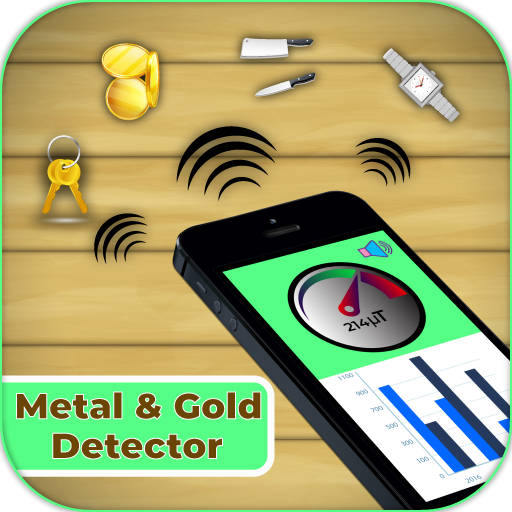
✨ Best Practices for Gold Detection
If you’re determined to search for gold using a metal detector app, focus on areas where gold jewelry or coins might have been lost rather than natural gold deposits. Beaches, parks, old fairgrounds, and historical sites offer better chances of finding gold items that contain detectable metal alloys.
Adjust your app’s sensitivity settings to maximum levels and move your phone slowly and methodically across the search area. Eliminate interference by turning off other electronic devices nearby and avoiding areas with underground cables or metal infrastructure.
🏆 Top Features to Look for in Metal Detector Apps
Not all metal detector apps are created equal. When choosing an application, several key features distinguish exceptional apps from mediocre ones. A quality metal detector app should provide real-time magnetic field measurements displayed in microteslas (µT), the standard unit for magnetic flux density.
Visual and audio feedback systems enhance usability significantly. Look for apps offering vibration alerts, customizable sound notifications, and graphical displays showing magnetic field strength variations. These features help you focus on your surroundings while monitoring detection signals.
Calibration functionality is crucial for accuracy. The best apps allow users to calibrate the magnetometer to account for local magnetic field variations, ensuring more reliable readings. Some advanced applications even include data logging features that record your findings and search patterns.
🎯 User Interface and Experience
A clean, intuitive interface makes metal detecting more enjoyable and efficient. The app should display information clearly without cluttering the screen with unnecessary elements. Quick access to sensitivity adjustments, calibration tools, and settings enhances the overall experience.
Compatibility with different smartphone models matters tremendously. Read user reviews to verify the app functions properly on your specific device. Some apps work excellently on certain phones while performing poorly on others due to sensor variations.
🌟 Popular Metal Detector Apps Worth Downloading
Several metal detector applications have gained popularity for their reliability and feature sets. Metal Detector by Smart Tools stands out as one of the most downloaded options, offering a straightforward interface with accurate magnetic field readings and customizable alerts.
The app provides both visual graphs and numerical displays, making it easy to interpret magnetic field fluctuations. Users appreciate its calibration feature and the ability to switch between different measurement units. The free version includes advertisements, but a premium option removes ads and unlocks additional features.
Another highly-rated choice is Ultimate Metal Detector, which combines metal detection with additional utilities like a compass and level tool. This multifunctional approach appeals to users who want versatile applications rather than single-purpose tools.
🔧 Specialized Detection Applications
For users interested in more specialized functionality, apps like Metal Detector EMF offer electromagnetic field detection alongside traditional metal detection. These applications appeal to paranormal investigators, electricians, and those concerned about EMF exposure in their environment.
Some apps incorporate augmented reality features, overlaying detection information onto your phone’s camera view. While these features add visual interest, they don’t necessarily improve detection accuracy and may drain your battery more quickly.
🎒 Practical Applications Beyond Treasure Hunting
Metal detector apps serve numerous practical purposes beyond recreational treasure hunting. Homeowners use them to locate metal studs behind walls before hanging heavy pictures or shelves, avoiding the need for separate stud-finder devices.
These apps help locate buried utility lines, pipes, or cables before digging in your yard, potentially preventing costly damage and dangerous situations. While they shouldn’t replace professional utility location services for major projects, they provide quick preliminary checks.
DIY enthusiasts find metal detector apps useful for finding lost screws, nails, or tools in workshops, garages, or construction sites. The apps can quickly scan areas where small metal objects might have fallen into hard-to-reach places like grass, carpet, or sawdust.
🏠 Home and Garden Uses
Gardeners use metal detector apps to locate buried irrigation systems, garden stakes, or metal landscaping edging before planting. This prevents accidentally damaging existing infrastructure and helps map out underground metal components.
During home renovations, these apps assist in identifying metal lath under plaster walls, locating electrical conduits, or finding reinforcement bars in concrete. This information proves invaluable when planning to drill, cut, or modify existing structures.
⚡ Maximizing Detection Accuracy and Range
Achieving optimal performance from your metal detector app requires understanding several key techniques. First, always calibrate your app in a metal-free environment before beginning your search. This establishes a baseline reading for the local magnetic field.
Move your smartphone slowly and steadily across the search area, maintaining consistent height above the ground. Rapid movements reduce accuracy and may cause you to miss smaller objects. Hold your phone at various angles, as detection sensitivity can vary based on orientation relative to the target object.
Remove protective cases containing magnetic components, as these interfere with readings. Phone cases with magnetic clasps, metal plates for car mounts, or built-in kickstands can all compromise detection accuracy. Use your phone without a case or with a completely non-metallic case for best results.
🌍 Environmental Considerations
Weather conditions affect metal detection capabilities. Wet ground conducts electromagnetic signals differently than dry soil, potentially improving or reducing detection range depending on soil composition. Extremely hot or cold temperatures can also impact magnetometer sensor performance.
Urban environments present unique challenges due to electromagnetic interference from numerous sources. Power lines, cell towers, Wi-Fi routers, and other electronic devices create background noise that obscures weaker signals from buried objects. Rural or remote locations typically provide cleaner detection conditions.
📊 Comparing App Detection to Professional Equipment
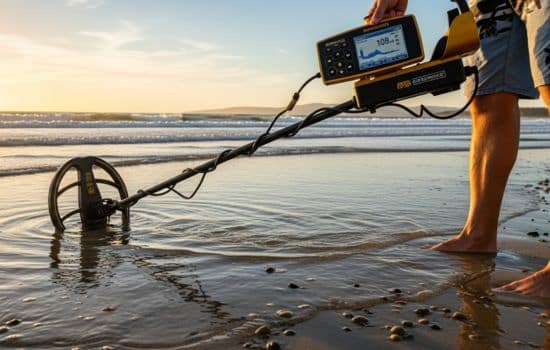
Understanding the gap between smartphone apps and professional metal detectors helps set appropriate expectations. Dedicated metal detectors use specialized coils that actively generate electromagnetic fields and detect disturbances caused by metallic objects—a fundamentally different approach than passive magnetometer sensing.
Professional equipment offers adjustable frequencies, discrimination settings to filter unwanted metals, and ground balancing to compensate for mineralization in soil. These features allow experienced users to identify target metals with remarkable accuracy and detect objects at considerable depths.
Detection depth represents the most significant difference. While smartphone apps detect objects only inches away, quality dedicated metal detectors can locate targets 12-24 inches deep, with specialized models reaching even greater depths for larger objects.
💰 Cost-Benefit Analysis
Entry-level dedicated metal detectors start around $100-200, offering significantly superior performance compared to free apps. Mid-range detectors ($300-700) provide excellent capabilities for serious hobbyists, while professional models exceed $1,000 with advanced features for specialized applications.
For casual users interested in occasional metal detection, free smartphone apps represent an excellent starting point with zero financial investment. They allow you to explore the hobby and determine your interest level before committing to expensive equipment purchases.
🛡️ Safety and Legal Considerations
Before using metal detector apps or equipment, research local laws and regulations governing metal detecting activities. Many public parks, beaches, and historical sites prohibit metal detecting without permits, and penalties for violations can include substantial fines.
Always obtain permission before detecting on private property. Landowners may welcome your assistance in finding lost items or may have concerns about property disturbance. Clear communication prevents misunderstandings and potential legal issues.
Archaeological sites and protected lands strictly forbid metal detecting due to preservation concerns. Removing artifacts from such locations violates federal and state laws, potentially resulting in criminal charges. Focus your activities on approved public spaces or private property where you have explicit permission.
⚖️ Ethical Metal Detecting Practices
Responsible metal detecting includes leaving search areas in better condition than you found them. Fill any holes completely, remove trash and debris you encounter, and respect the environment. These practices ensure continued access for all enthusiasts and protect natural spaces.
If you discover items of historical significance, consider reporting them to local historical societies or museums. While laws vary by location, ethical detectorists prioritize preserving cultural heritage over personal gain.
🚀 Future Developments in Mobile Detection Technology
Smartphone sensor technology continues advancing rapidly, suggesting improved metal detection capabilities in future devices. Manufacturers are developing more sensitive magnetometers with better noise filtering and expanded detection ranges.
Artificial intelligence integration may revolutionize metal detector apps by analyzing signal patterns to identify specific metal types more accurately. Machine learning algorithms could distinguish between different metals based on their unique magnetic signatures, bringing smartphone apps closer to professional detector capabilities.
Augmented reality features will likely become more sophisticated, providing visual overlays that show estimated object depth, size, and composition. These developments would transform metal detecting from a simple detection activity into an immersive, information-rich experience.
🎓 Learning Resources for Aspiring Metal Detectorists
Numerous online communities, forums, and YouTube channels provide valuable information for those interested in metal detecting. These resources offer tips on search techniques, equipment reviews, and shared stories of exciting discoveries that inspire and educate beginners.
Books dedicated to metal detecting cover topics ranging from basic techniques to advanced strategies for finding specific types of treasures. Many experienced detectorists share their knowledge through blogs and social media, creating a welcoming community for newcomers.
Local metal detecting clubs organize group hunts, workshops, and educational events that provide hands-on learning opportunities. Joining these communities connects you with experienced mentors who can accelerate your learning and share productive hunting locations.
🌈 Turning Metal Detecting into a Rewarding Hobby
Metal detecting with apps or dedicated equipment offers unique benefits beyond finding valuables. The activity encourages outdoor exercise, connects you with history through discovered artifacts, and provides meditative focus that reduces stress and promotes mindfulness.
Many enthusiasts appreciate the treasure hunting aspect, where every signal could potentially lead to something valuable or historically significant. The excitement of discovery keeps the hobby engaging, even when most finds are common objects rather than rare treasures.
For families, metal detecting creates shared adventures and teaches children about history, patience, and persistence. Kids especially enjoy the treasure hunt aspect, making it an educational activity disguised as entertainment.
Whether you’re using a sophisticated metal detector app on your smartphone or dreaming of upgrading to professional equipment, the world of metal detecting offers endless possibilities for exploration and discovery. Start with the free apps available today, develop your skills, and see where this fascinating hobby takes you. Who knows what treasures lie waiting just beneath the surface, ready to be discovered by your next search? 🏆
