

Anúncios
Learning to drive is one of the most liberating and empowering skills you can acquire in life, opening doors to independence and new opportunities.


Whether you’re a teenager eager to hit the road for the first time or an adult who never had the chance to learn, mastering the art of driving transforms your daily life. From commuting to work more efficiently to embarking on spontaneous road trips, driving skills provide freedom that public transportation simply cannot match.
Anúncios
This comprehensive guide will walk you through every essential aspect of learning to drive, from understanding basic vehicle controls to mastering complex traffic situations. We’ll explore practical tips, common challenges, and proven strategies that will accelerate your journey from nervous beginner to confident driver. 🚗
Understanding the Fundamentals Before You Start
Before you even sit in the driver’s seat, understanding the theoretical foundation of driving is crucial. Familiarize yourself with traffic laws, road signs, and basic vehicle mechanics. This knowledge isn’t just for passing your written test—it forms the mental framework that will guide your decision-making on the road.
Anúncios
Spend time studying your local driver’s manual thoroughly. These guides contain region-specific regulations that govern everything from right-of-way rules to parking restrictions. Many aspiring drivers make the mistake of rushing through this material, but a solid theoretical understanding makes practical learning significantly easier.
Consider using practice test apps and online resources to reinforce your knowledge. Modern technology has made it incredibly convenient to study road rules anywhere, anytime. The more you expose yourself to these concepts before getting behind the wheel, the more natural they’ll feel when you’re actually driving.
Choosing the Right Learning Method for Your Needs
There are several paths to learning how to drive, and selecting the right one depends on your circumstances, budget, and learning style. Professional driving schools offer structured lessons with certified instructors who specialize in teaching nervous beginners. They provide dual-control vehicles, comprehensive curriculum, and often help with license test preparation.
Learning with a family member or friend is another popular option that can be more affordable and flexible. However, this approach requires that your instructor has excellent driving skills, patience, and the ability to communicate clearly. Not everyone who drives well can teach effectively, so choose your personal instructor wisely.
Hybrid approaches are increasingly common, where you take a few professional lessons to learn basics and correct any developing bad habits, while supplementing with practice sessions with experienced drivers you trust. This balanced method often provides the best of both worlds—professional expertise with additional practice time.
Professional Driving Schools: What to Expect
Professional driving instructors follow proven teaching methodologies designed to build your skills progressively. Your first lesson typically begins in a quiet area with minimal traffic where you’ll learn basic vehicle controls: steering, accelerating, braking, and using mirrors.
As you demonstrate competence with fundamentals, lessons gradually introduce more complex scenarios like busier roads, highway driving, parallel parking, and navigating intersections. Good instructors adapt their teaching pace to your individual progress, never rushing you beyond your comfort zone while still challenging you appropriately.
Most driving schools offer packages that include a set number of hours, often ranging from 10 to 40 hours depending on your experience level. Be honest about your skill level when enrolling—there’s no shame in needing more time to feel comfortable and safe.
Mastering the Physical Controls of Your Vehicle
Your first time in the driver’s seat can feel overwhelming with the array of controls, pedals, and instruments. Take time before starting the engine to familiarize yourself with everything: the steering wheel, pedals (accelerator, brake, and clutch if driving manual), gear shift, indicators, lights, windshield wipers, and mirrors.
Proper seating position is foundational to good driving. Adjust your seat so you can comfortably reach all pedals with your feet while maintaining a slight bend in your knees. Your back should rest against the seat with your shoulders relaxed. Arms should have a slight bend when holding the steering wheel at the 9 and 3 o’clock positions.
Mirror adjustment is equally critical. Your rearview mirror should frame the entire back window, while side mirrors should be positioned so you can barely see the side of your own car. These adjustments minimize blind spots and give you comprehensive awareness of your surroundings.
Understanding Pedal Control and Smooth Operation
One of the biggest challenges for new drivers is developing smooth pedal control. The accelerator should be pressed gently and gradually—abrupt inputs create jerky movements that are uncomfortable and potentially dangerous. Think of it as a sensitivity control rather than an on-off switch.
Braking requires similar finesse. Apply pressure progressively, increasing it gradually as you slow down, then easing off slightly just before coming to a complete stop. This technique, called progressive braking, creates smooth, comfortable stops that don’t jolt passengers or strain the vehicle.
For those learning manual transmission, coordinating the clutch with the accelerator is perhaps the most challenging skill to master. The bite point—where the clutch begins to engage—requires practice to find and control smoothly. Don’t be discouraged by initial stalling; every manual driver has been there, and muscle memory develops with repetition.
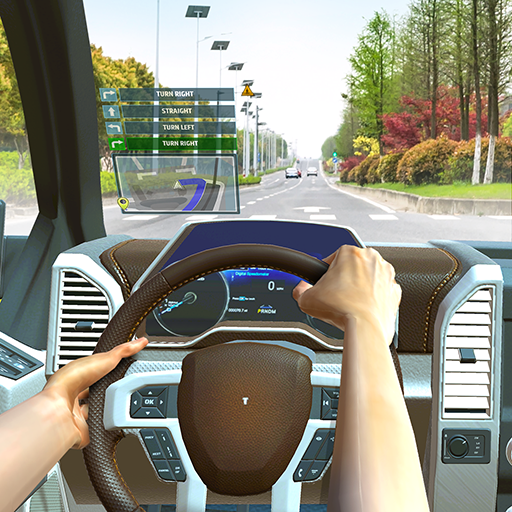
Developing Situational Awareness and Defensive Driving
Good drivers don’t just control their own vehicle—they constantly monitor and predict the behavior of other road users. This situational awareness is what separates adequate drivers from truly safe ones. Train yourself to scan your environment continuously: checking mirrors every 5-8 seconds, monitoring the road ahead for potential hazards, and being aware of vehicles in adjacent lanes.
Defensive driving means anticipating potential problems before they develop. Always assume other drivers might make mistakes, pedestrians might step into the road unexpectedly, and conditions can change suddenly. This mindset isn’t about being paranoid—it’s about being prepared and maintaining safety margins that give you time to react.
Maintain safe following distances by using the three-second rule: pick a fixed point ahead, and when the vehicle in front passes it, count three seconds before you should reach the same point. In poor weather or at higher speeds, increase this to four or five seconds. This buffer zone gives you adequate reaction time if the vehicle ahead stops suddenly.
Reading Traffic Flow and Making Smart Decisions
Traffic flow has rhythms and patterns that experienced drivers read intuitively. Watch for brake lights ahead, changes in traffic density, and the overall speed of the traffic stream. Merging smoothly into traffic requires matching the speed of surrounding vehicles and finding appropriate gaps without causing others to brake.
Intersections demand particular attention as they’re statistically the most common location for accidents. Even when you have the right of way, verify that other vehicles are actually stopping before proceeding through. A moment of caution can prevent a serious collision with a distracted or reckless driver.
Learn to communicate your intentions clearly through proper signal use, positioning, and timing. Signal well before turning or changing lanes, position your vehicle appropriately for your intended maneuver, and make your movements predictable to other road users. Clear communication reduces confusion and enhances overall traffic safety.
Conquering Common Beginner Challenges
Every new driver faces similar challenges, and understanding that these difficulties are normal helps reduce anxiety. Parking, particularly parallel parking and reverse bay parking, intimidates many learners. These skills require spatial awareness and vehicle control that only develops through practice.
Break parking maneuvers into clear steps rather than trying to do everything at once. For parallel parking, use reference points on your vehicle aligned with surrounding objects to know when to turn the wheel. Practice in empty parking lots where you can set up cones or markers without the pressure of real traffic or time constraints. 🅿️
Navigating roundabouts and multi-lane intersections often confuses beginners. The key is understanding lane discipline: choose your lane based on your exit direction, signal appropriately, and maintain your position without drifting between lanes. Start by practicing at quieter times before attempting these maneuvers during rush hour.
Overcoming Driving Anxiety and Building Confidence
Feeling nervous when learning to drive is completely normal—you’re developing a complex skill that carries real responsibility. Accept that mistakes will happen, and view them as learning opportunities rather than failures. Even experienced drivers make errors; what matters is learning from them.
Start with short sessions in familiar, low-stress environments and gradually increase difficulty as your confidence grows. Pushing yourself too hard too quickly can create anxiety that impedes learning. There’s no rush—progress at a pace that feels challenging but not overwhelming.
Breathing techniques and positive self-talk can help manage anxiety. Before starting the car, take several deep breaths and remind yourself that you’ve prepared for this. During driving, if you feel overwhelmed, it’s perfectly acceptable to pull over safely, collect yourself, and continue when ready.
Practicing in Diverse Conditions and Environments
Learning to drive isn’t complete until you’ve experienced various conditions and environments. Highway driving requires different skills than city streets—higher speeds demand earlier decision-making, longer following distances, and confidence in merging and lane changes at speed.
Rural roads present their own challenges with narrower lanes, unexpected hazards like animals, and roads without street lighting. Adapt your speed to match visibility and road conditions, and remember that posted speed limits are maximums for ideal conditions, not targets to always achieve.
Night driving reduces visibility significantly, requiring extra caution and reliance on your headlights and other vehicles’ lights to anticipate what’s ahead. Ensure your headlights are properly adjusted and clean, avoid staring at oncoming headlights, and reduce speed to compensate for reduced reaction time.
Weather-Related Driving Skills You Must Develop
Rain, snow, ice, and fog each create unique challenges that demand adjusted driving techniques. Wet roads reduce tire grip, requiring gentler inputs, longer stopping distances, and awareness of hydroplaning risks. Reduce speed and increase following distance significantly in rain. ☔
If you live in areas with snow and ice, learning winter driving skills is essential for safety. Understand how to handle skids, when to use different types of braking (threshold braking vs. letting ABS work), and how to recognize black ice. Consider taking a winter driving course if these conditions are common in your region.
Fog requires extreme caution—use low-beam headlights or fog lights (never high beams, which reflect off fog and worsen visibility), reduce speed dramatically, and use road markings and the right edge line to guide your positioning. If visibility becomes too poor, the safest option is pulling completely off the road and waiting for conditions to improve.
Preparing for Your Driving Test Successfully
The practical driving test assesses whether you can drive safely and legally in real traffic conditions. Examiners look for consistent application of safe driving principles rather than perfection. Understanding what they’re evaluating helps you focus your preparation effectively.
Most tests include standard maneuvers like parallel parking, three-point turns, hill starts (if applicable), and demonstration of proper lane usage, signaling, and observation. Practice these specific skills until they become automatic. Mock tests with your instructor or experienced driver can identify areas needing improvement.
On test day, arrive early, bring all required documentation, and remember that the examiner wants you to succeed—they’re not trying to trick you. Drive as you’ve practiced, communicate clearly by exaggerating head checks to show you’re observing, and if you make a minor mistake, don’t dwell on it. One small error rarely results in failure unless it’s dangerous.
Continuing Your Development After Getting Licensed
Passing your driving test is just the beginning of your journey as a driver. Newly licensed drivers are statistically at higher risk of accidents due to inexperience in handling unexpected situations. Continue treating driving as a skill you’re actively developing rather than something you’ve completed.
Gradually expose yourself to situations you haven’t encountered yet: longer highway trips, unfamiliar city driving, or weather conditions you haven’t experienced. Each new scenario builds your experience library and improves your ability to handle future challenges confidently.
Consider advanced driving courses that teach defensive driving, accident avoidance, or performance driving techniques. These courses, while optional, significantly improve your car control skills and hazard perception abilities. The investment in continued education pays dividends in safety and confidence throughout your driving life. 🎓
Building Good Habits That Last a Lifetime
The habits you establish as a new driver tend to persist throughout your driving career. Commit to never driving distracted—put your phone away before starting the car. Studies consistently show that texting while driving is as dangerous as drunk driving, yet it remains a common practice.
Always wear your seatbelt and ensure all passengers do the same before moving the vehicle. This simple action is the single most effective way to prevent death and serious injury in accidents. Make it a non-negotiable rule with zero exceptions.
Regular vehicle maintenance isn’t just about reliability—it’s a safety issue. Worn tires, failed lights, or poor brakes compromise your ability to drive safely. Learn basic checks like tire pressure, fluid levels, and light operation. Schedule regular professional services according to your vehicle manufacturer’s recommendations.
Leveraging Technology to Accelerate Your Learning
Modern technology offers incredible resources for learning drivers. Driving simulator apps provide risk-free environments to practice decision-making, hazard perception, and even vehicle control basics. While they can’t replace real-world practice, they’re valuable supplementary tools, especially for building confidence before on-road sessions.
Dashboard cameras serve both as learning tools and protection. Reviewing footage of your driving helps identify habits you might not notice in the moment—things like inconsistent mirror checking, poor lane positioning, or following too closely. This objective feedback accelerates improvement.
GPS navigation systems reduce the stress of finding unfamiliar destinations, allowing you to focus more attention on driving rather than navigation. However, set your destination before departing, and familiarize yourself with the route overview so you’re not surprised by upcoming maneuvers. Never interact with navigation systems while driving—pull over if you need to make changes. 📱
Understanding the Responsibility You’re Accepting
Driving is more than a convenient skill—it’s a significant responsibility. Your decisions behind the wheel affect not just your safety but that of passengers, other road users, and pedestrians. This responsibility should inform every choice you make when driving, from speed selection to whether you’re fit to drive on a particular day.
Never drive under the influence of alcohol, drugs, or medication that impairs your abilities. The legal limits exist because impairment dramatically increases accident risk. If you’ve been drinking or using substances that affect cognition or reaction time, there are no exceptions—find alternative transportation.
Fatigue is an often-underestimated risk factor that impairs driving ability similarly to alcohol. If you’re feeling drowsy, no amount of window-opening or music-raising will adequately compensate. The only solution is rest—pull over somewhere safe and nap, or find alternative transportation for that journey.

Embracing the Freedom and Opportunities Ahead
Learning to drive opens up a world of possibilities that extend far beyond simple transportation. The independence to travel when and where you choose transforms your relationship with your environment, making spontaneous adventures possible and expanding your employment opportunities to locations not served by public transport.
Road trips become accessible, allowing you to explore at your own pace, stop at interesting locations, and create memories with friends and family. The journey itself becomes part of the adventure rather than just the time between destinations. This freedom is one of the most rewarding aspects of driving.
As you develop competence and confidence, driving transitions from a task requiring intense concentration to a skill you perform naturally while enjoying the experience. You’ll find yourself appreciating the mechanics of vehicle control, the satisfaction of executing maneuvers smoothly, and the pleasure of simply being in control of your journey through the world. 🌍
Your journey to becoming a skilled, confident driver is well worth the effort, patience, and practice it requires. Stay committed to learning, remain humble about what you don’t yet know, and always prioritize safety over convenience or ego. The skills you develop now will serve you for decades to come, providing freedom, opportunity, and endless possibilities for adventure.
