
Anúncios
Creating a healthier home environment starts with what you use to clean it. Eco-friendly cleaning solutions protect your family, pets, and the planet while delivering spotless results.
🌿 Why Traditional Cleaning Products Are Harmful
Most conventional cleaning products contain harsh chemicals that pose significant risks to both human health and environmental wellbeing. These formulations often include volatile organic compounds (VOCs), synthetic fragrances, chlorine bleach, ammonia, and phosphates that linger in indoor air and waterways long after use.
Anúncios
Studies have shown that regular exposure to conventional cleaning agents can trigger respiratory problems, skin irritations, allergic reactions, and even hormonal disruptions. Children and pets are particularly vulnerable due to their smaller body sizes and developing systems. The Environmental Protection Agency has identified indoor air pollution as one of the top five environmental health risks, with cleaning products being major contributors.
Beyond personal health concerns, these chemicals eventually make their way into sewage systems and natural water sources. Phosphates contribute to algae blooms that deplete oxygen in aquatic ecosystems. Surfactants and preservatives accumulate in marine life. The plastic packaging that houses these products adds millions of tons of waste to landfills annually.
Anúncios
💚 The Green Cleaning Revolution
Eco-friendly cleaning represents a paradigm shift toward sustainable household maintenance. This approach prioritizes ingredients derived from renewable resources, biodegradable formulations, minimal packaging waste, and non-toxic compositions that maintain cleaning effectiveness.
The green cleaning market has experienced exponential growth as consumers become more environmentally conscious. What was once a niche segment has transformed into a mainstream movement, with major retailers dedicating entire sections to sustainable cleaning products. This shift reflects growing awareness that household choices directly impact planetary health.
Natural cleaning solutions work through different mechanisms than their chemical counterparts. Instead of relying on harsh solvents and synthetic detergents, eco-friendly products harness the power of plant-based enzymes, essential oils, mineral compounds, and simple pH manipulation to break down dirt, grease, and bacteria effectively.
🧪 Essential Natural Ingredients That Actually Work
The foundation of green cleaning lies in understanding a handful of powerful natural ingredients that have proven cleaning properties.
Vinegar: The Acidic Wonder
White distilled vinegar contains acetic acid at approximately five percent concentration, making it excellent for dissolving mineral deposits, cutting through grease, and eliminating odors. Its acidic nature makes it particularly effective against soap scum, hard water stains, and mildew. Vinegar also possesses natural antibacterial properties, though it should not be considered a disinfectant for serious pathogens.
Use vinegar for cleaning windows, countertops, coffee makers, showerheads, and floors. Mix equal parts vinegar and water in a spray bottle for an all-purpose cleaner. Add essential oils to mask the vinegar scent, which dissipates as it dries.
Baking Soda: The Gentle Abrasive
Sodium bicarbonate, commonly known as baking soda, serves multiple cleaning functions. Its mild alkalinity helps neutralize acids and break down organic matter. The fine crystalline structure provides gentle scrubbing action without scratching surfaces. Baking soda absorbs odors rather than merely masking them, making it ideal for refrigerators, carpets, and trash cans.
Create paste cleaners by mixing baking soda with water for sinks, tubs, and tile grout. Sprinkle it directly on carpets before vacuuming to freshen fabrics. Combine with vinegar for a fizzing action that helps clear drain clogs.
Castile Soap: The Versatile Cleanser
This plant-based soap made from vegetable oils offers concentrated cleaning power without synthetic detergents. Castile soap is biodegradable, gentle on skin, and highly versatile. A little goes a long way, making it economical despite higher upfront costs.
Dilute castile soap for dish washing, laundry, mopping floors, hand soap, and even pet washing. Its neutral pH makes it safe for most surfaces, though it should be avoided on natural stone that could be damaged by soap residue.
Lemon Juice: Nature’s Bleaching Agent
The citric acid in lemon juice provides natural bleaching, deodorizing, and antibacterial properties. Lemons cut through grease, remove stains, and leave surfaces smelling fresh without artificial fragrances.
Use lemon juice to brighten whites in laundry, remove rust stains, clean cutting boards, and polish metal fixtures. The natural oils in lemon peels can be infused into vinegar to create pleasant-smelling cleaners.
Essential Oils: Functional Fragrance
Beyond providing natural scents, many essential oils possess antimicrobial, antifungal, and antiviral properties. Tea tree oil, eucalyptus, lavender, peppermint, and thyme essential oils offer therapeutic cleaning benefits.
Add ten to twenty drops of essential oils per cup of cleaning solution. Tea tree oil excels at mold prevention. Lavender provides calming aromatherapy while cleaning. Lemon and orange oils boost degreasing power.
🏠 Room-by-Room Green Cleaning Strategies
Kitchen: The Heart of the Home
Kitchens require frequent cleaning due to food preparation activities. Create an all-purpose kitchen spray by combining one cup water, one cup vinegar, and fifteen drops of lemon essential oil. This solution effectively cleans countertops, appliances, and cabinet exteriors.
For tough oven grime, make a paste using baking soda and water. Apply generously, let sit overnight, then scrub and wipe clean. This method requires more time than chemical oven cleaners but avoids toxic fumes.
Clean cutting boards by sprinkling coarse salt and scrubbing with half a lemon. The salt acts as an abrasive while lemon juice sanitizes and deodorizes. Wooden boards benefit from occasional mineral oil treatment to prevent cracking.
Maintain garbage disposals by grinding citrus peels with ice cubes and cold water. This sharpens blades while eliminating odors naturally.
Bathroom: Tackling Moisture and Microbes
Bathrooms present unique challenges with soap scum, hard water deposits, mold, and mildew. A spray bottle containing half vinegar and half water works excellently on most bathroom surfaces. For enhanced disinfecting power, add twenty drops of tea tree essential oil.
Attack toilet stains by pouring one cup of baking soda followed by one cup of vinegar into the bowl. Let fizz for fifteen minutes, scrub with a toilet brush, then flush. For persistent rings, pumice stones provide chemical-free scrubbing that won’t scratch porcelain.
Combat shower mold by spraying undiluted vinegar on affected areas. Let sit for an hour before scrubbing and rinsing. Prevent future growth by improving ventilation and wiping down wet surfaces after use.
Polish mirrors and chrome fixtures with a mixture of one part vinegar to four parts water. Buff with microfiber cloths for a streak-free shine.
Living Areas: Dust and Fabric Care
Dust naturally using dampened microfiber cloths rather than disposable dusting products. Microfiber’s electrostatic properties attract and hold dust particles without chemical treatments. Wash microfiber regularly in hot water without fabric softener, which reduces effectiveness.
Freshen upholstery and carpets by sprinkling baking soda liberally, letting sit for thirty minutes, then vacuuming thoroughly. For spot cleaning, combine one tablespoon castile soap with two cups warm water. Blot stains gently without over-wetting fabric.
Polish wood furniture with a mixture of one quarter cup vinegar and one quarter cup olive oil. Apply with a soft cloth, rubbing in the direction of the grain. This nourishes wood while removing buildup.
Laundry: Clean Clothes, Clear Conscience
Replace conventional detergents with plant-based alternatives or create your own. A simple recipe combines one cup washing soda, one cup baking soda, and one grated bar of castile soap. Use two tablespoons per load.
White vinegar serves as an excellent fabric softener and deodorizer. Add half a cup to the rinse cycle. It softens fabrics, reduces static, and removes detergent residue without synthetic fragrances.
Brighten whites naturally by adding half a cup of baking soda to wash loads or soaking items in lemon juice and sunlight. The sun’s UV rays provide natural bleaching without chlorine.
🌍 Environmental Impact: Numbers That Matter
Switching to eco-friendly cleaning products creates measurable environmental benefits. The average household uses approximately forty pounds of cleaning products annually, many containing ingredients classified as hazardous waste. When multiplied across millions of homes, the cumulative impact becomes staggering.
Conventional cleaning products contribute to water pollution through phosphates, which cause eutrophication in lakes and rivers. This process depletes oxygen levels, creating dead zones where aquatic life cannot survive. Green cleaning alternatives biodegrade quickly without leaving toxic residues.
The carbon footprint of cleaning extends beyond ingredients to packaging and transportation. Concentrated eco-friendly products reduce shipping weight and packaging materials. Refillable containers eliminate single-use plastic waste. Many green brands prioritize local sourcing and carbon-neutral shipping.
Indoor air quality improves dramatically when households eliminate VOC-heavy products. These compounds continue off-gassing long after use, contributing to sick building syndrome. Natural alternatives maintain air quality while achieving comparable cleaning results.
💰 Cost Comparison: Affordability of Green Cleaning
A common misconception suggests eco-friendly cleaning costs significantly more than conventional methods. While premium natural brands carry higher price tags, DIY green cleaning proves remarkably economical.
A gallon of white vinegar costs approximately three to five dollars and serves multiple cleaning purposes. Baking soda retails for less than two dollars per pound. A bottle of castile soap, though initially expensive at fifteen to twenty dollars, lasts months when properly diluted. Essential oils require upfront investment but remain cost-effective through concentrated use.
Compare this to conventional all-purpose cleaners at four to seven dollars per bottle, with separate products required for different surfaces. Specialized cleaners for glass, bathrooms, floors, and appliances quickly accumulate costs exceeding basic natural ingredients.
Beyond direct product costs, green cleaning reduces healthcare expenses associated with chemical exposure. Fewer respiratory issues, skin reactions, and allergy symptoms translate to long-term savings. Environmental remediation costs avoided through reduced pollution benefit society collectively.
📱 Smart Tools for Sustainable Cleaning
Technology supports eco-friendly cleaning through apps that provide recipes, track product ingredients, and offer sustainable alternatives. These digital tools help consumers make informed choices and optimize cleaning routines.
Several applications allow users to scan product barcodes and receive instant toxicity ratings based on ingredient analysis. Others provide step-by-step guides for making homemade cleaners with ingredients already in your pantry. Shopping guides help identify truly green products among greenwashed options.
⚠️ Safety Considerations and Limitations
While natural cleaning products offer significant advantages, understanding their limitations ensures effective and safe use. Not all green cleaning methods match the disinfecting power of registered antimicrobial products. For situations requiring serious sanitization—such as raw meat contamination or illness outbreaks—EPA-registered disinfectants may be necessary.
Avoid mixing vinegar with hydrogen peroxide, castile soap with vinegar, or bleach with anything. These combinations can neutralize effectiveness or create dangerous chemical reactions. Store homemade cleaners in clearly labeled containers away from food and children.
Test natural cleaners on inconspicuous areas before widespread use. Vinegar’s acidity can damage natural stone, hardwood floors, and certain metals. Lemon juice may bleach colored fabrics. Essential oils can be toxic to pets, particularly cats.
Proper ventilation remains important even with natural products. Essential oils, while plant-based, can trigger respiratory sensitivity in high concentrations. Open windows when cleaning to maintain air circulation.
🌱 Making the Transition: Practical Steps
Shifting to eco-friendly cleaning need not happen overnight. A gradual transition allows experimentation while preventing waste of existing products. Start by replacing one conventional cleaner at a time as bottles empty.
Begin with simple swaps requiring minimal effort. Replace paper towels with washable microfiber cloths. Switch to a natural dish soap. Mix a basic vinegar-water spray for daily countertop cleaning. These small changes build confidence while demonstrating effectiveness.
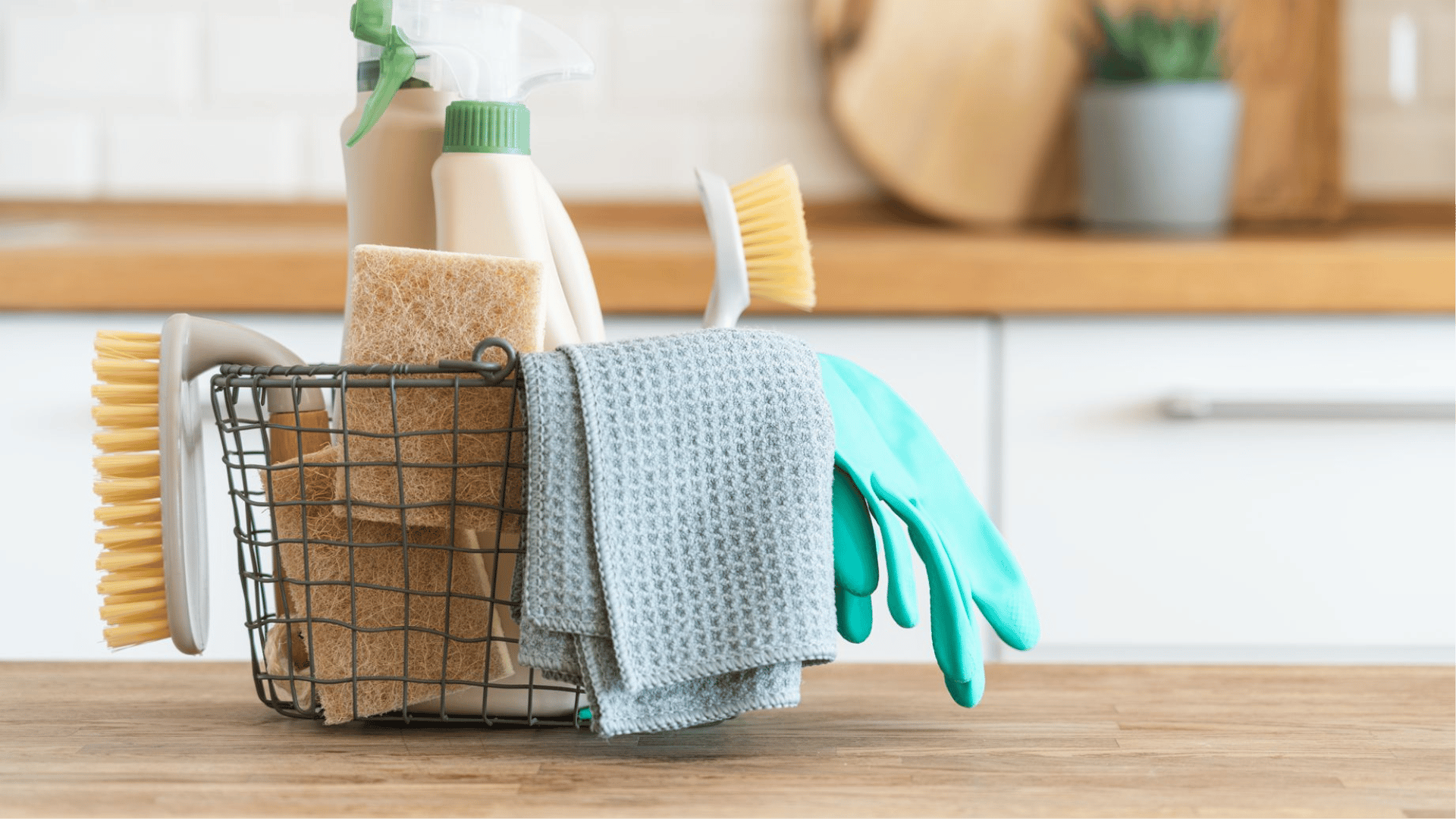
Invest in quality reusable tools including spray bottles, scrub brushes with natural bristles, microfiber cloths in various sizes, and glass storage containers for homemade products. These upfront costs pay dividends through repeated use.
Educate household members about new cleaning methods and product locations. Create simple recipe cards for frequently used cleaners. Involve family members in making cleaning solutions, fostering environmental awareness.
Be patient with the learning curve. Natural products may require slightly different application methods or longer dwell times than chemical alternatives. Adjust expectations regarding instant results while appreciating improved health and environmental outcomes.
✨ Beyond Products: Sustainable Cleaning Practices
True green cleaning extends beyond product choices to encompass conservation-minded practices. Reduce water consumption by using damp cloths rather than running taps. Wash full loads of laundry in cold water when possible. Clean regularly to prevent buildup requiring intensive interventions.
Implement preventive measures that reduce cleaning needs. Place doormats at entrances to trap dirt. Establish no-shoes policies indoors. Use exhaust fans during cooking and bathing to minimize grease and moisture accumulation.
Choose cleaning tools wisely. Microfiber technology outperforms disposable options while lasting years with proper care. Natural fiber brushes biodegrade at end of life. Avoid single-use products marketed for convenience but generating unnecessary waste.
Support companies demonstrating genuine environmental commitment through transparent ingredient disclosure, sustainable sourcing, minimal packaging, carbon-neutral operations, and third-party certifications like EPA Safer Choice or Green Seal.
🎯 The Bigger Picture: Personal Choices, Global Impact
Individual cleaning choices collectively shape market demand and manufacturing practices. As consumers prioritize sustainability, companies respond with greener formulations and improved transparency. This consumer-driven transformation extends beyond cleaning products to influence entire industries.
Green cleaning represents one component of sustainable living. The mindset shift toward natural alternatives often catalyzes broader environmental awareness. Households embracing eco-friendly cleaning frequently adopt other sustainable practices including composting, energy conservation, and conscious consumption.
The ripple effects extend to community and policy levels. Increased demand for green products encourages retailers to expand sustainable offerings. Schools, hospitals, and businesses implement green cleaning programs, multiplying impact. Regulatory agencies develop stricter standards for ingredient disclosure and environmental claims.
Future generations benefit from current choices. Reducing chemical loads in homes creates healthier developmental environments for children. Protecting water quality and ecosystems preserves natural resources. Demonstrating sustainable practices instills environmental stewardship values.
🌟 Creating Your Sustainable Sparkle
The journey toward eco-friendly home cleaning offers rewards beyond surface cleanliness. Fresh air free from chemical fragrances, peace of mind regarding family safety, reduced environmental footprint, and cost savings combine to create compelling reasons for making the switch.
Natural cleaning solutions prove that effectiveness and sustainability need not be mutually exclusive. Simple ingredients like vinegar, baking soda, and castile soap deliver impressive results while protecting health and environment. The satisfaction of creating custom cleaners from basic components adds a creative dimension to household maintenance.
Start small, experiment freely, and discover what works best for your home. Share successes with friends and family, spreading awareness of viable green alternatives. Celebrate progress rather than pursuing perfection, recognizing that every sustainable choice contributes to positive change.
Your home can sparkle brilliantly while reflecting values of environmental responsibility and health consciousness. Clean and green living represents not sacrifice but enlightened choice—a path toward homes that nurture both occupants and the planet we all share.
