
Anúncios
Water conservation is no longer optional—it’s essential. With global freshwater resources under increasing pressure, making simple changes at home can significantly reduce consumption while lowering utility bills.
💧 Why Water Conservation Matters More Than Ever
Every drop counts when it comes to preserving our planet’s most precious resource. Fresh water comprises less than 3% of Earth’s total water supply, and only a fraction of that is accessible for human use. Climate change, population growth, and urbanization continue to strain available water resources, making household conservation efforts more critical than ever.
Anúncios
The average American household uses approximately 300 gallons of water daily, with indoor water use accounting for roughly 70% of that total. By implementing straightforward conservation strategies, families can reduce consumption by 20-30% without sacrificing comfort or convenience. Beyond environmental benefits, water conservation translates directly into financial savings, with reduced water and energy bills throughout the year.
🚿 Bathroom Water-Saving Strategies That Actually Work
The bathroom represents the largest source of indoor water consumption, accounting for nearly half of all household water use. Fortunately, this also means it offers the greatest opportunity for meaningful conservation.
Anúncios
Transform Your Shower Routine
Showers consume approximately 17 gallons of water per use on average. Installing a low-flow showerhead can cut water usage by up to 50% while maintaining adequate pressure through aerating technology. These fixtures cost between $10-$50 and typically pay for themselves within a few months through reduced water heating costs.
Consider timing your showers to stay under five minutes. A simple waterproof timer or your smartphone can help track duration. Turning off the water while soaping up or shampooing represents another effortless way to save several gallons per shower without extending your routine.
Optimize Toilet Water Efficiency
Toilets are the single largest water consumer indoors, responsible for nearly 30% of residential water use. Older models use 3.5 to 7 gallons per flush, while modern high-efficiency toilets (HETs) use just 1.28 gallons or less.
If replacing your toilet isn’t feasible immediately, toilet tank displacement devices or DIY solutions like placing a filled water bottle in the tank can reduce the amount used per flush. Always check for leaks by adding food coloring to the tank—if color appears in the bowl without flushing, you have a leak that could be wasting hundreds of gallons monthly.
Rethink Your Sink Habits
Bathroom faucets typically flow at 2.2 gallons per minute. Installing aerators reduces this to 1.5 gallons or less while maintaining effective water pressure. These inexpensive devices screw onto existing faucets in minutes and can save thousands of gallons annually.
Turn off the tap while brushing teeth, washing your face, or shaving. This simple behavioral change saves approximately 4 gallons per person daily—that’s nearly 1,500 gallons per year for an individual.
🍽️ Kitchen Conservation Without Compromise
The kitchen is the second-largest water consumption area in most homes. Smart practices here contribute significantly to overall conservation efforts.
Dishwashing Done Right
Contrary to popular belief, modern dishwashers use less water than hand-washing when fully loaded. Energy Star certified dishwashers use as little as 3 gallons per cycle compared to 27 gallons for hand-washing the same load. Always run full loads and skip the pre-rinse—today’s detergents are designed to work without it.
When hand-washing is necessary, fill one sink with soapy water for washing and another for rinsing rather than letting water run continuously. This method can reduce consumption by more than 50%.
Smart Food Preparation Practices
Rather than running water to thaw frozen foods, plan ahead and thaw them in the refrigerator overnight. When washing produce, use a bowl or plugged sink instead of running water. This captured water can then be reused for watering houseplants or outdoor gardens.
Keep a pitcher of drinking water in the refrigerator instead of running the tap until water turns cold. This simple habit saves water while providing instantly refreshing drinks.
🧺 Laundry Room Water Wisdom
Washing machines account for approximately 15-20% of indoor water consumption. Upgrading to an Energy Star certified washer can reduce water use by about 33% and energy use by roughly 25% compared to standard models.
Always wash full loads when possible, or adjust water level settings for smaller loads if your machine offers that option. Front-loading washers typically use significantly less water than top-loaders—averaging 15-30 gallons per load versus 30-45 gallons.
Consider wearing clothes multiple times before washing when appropriate. Items like jeans, sweaters, and pajamas often don’t require washing after every single use, reducing both water consumption and wear on fabrics.
🌱 Outdoor Water Conservation Techniques
Outdoor water use varies by region and season but can account for up to 30% of total household consumption, reaching 60% or more in arid climates during summer months.
Smart Irrigation Approaches
Water lawns and gardens during early morning or evening hours to minimize evaporation loss. Watering during midday heat can result in 30% or more of water evaporating before reaching plant roots.
Install drip irrigation systems or soaker hoses for gardens and landscaping beds. These targeted delivery methods use 20-50% less water than conventional sprinklers by delivering water directly to root zones where it’s needed.
Consider smart irrigation controllers that adjust watering schedules based on weather conditions, soil moisture, and plant needs. These devices can reduce outdoor water use by 20-50% while maintaining healthy landscapes.
Landscape Design for Conservation
Choose native and drought-resistant plants adapted to your local climate. These species require significantly less supplemental watering once established and generally demand less maintenance overall.
Apply 2-4 inches of mulch around plants, trees, and shrubs. Mulch reduces evaporation, moderates soil temperature, suppresses weeds that compete for water, and improves soil quality over time.
Minimize lawn areas in favor of permeable hardscaping, ground covers, or ornamental grasses that require less water. Traditional turf grass is one of the most water-intensive landscape elements in residential settings.
🔧 Detecting and Fixing Hidden Water Waste
Undetected leaks represent one of the most significant sources of water waste in homes. The EPA estimates that household leaks waste nearly 1 trillion gallons annually nationwide—equivalent to the water used by more than 11 million homes.
Leak Detection Strategies
Monitor your water meter before and after a two-hour period when no water is being used. If the meter changes, you likely have a leak somewhere in your system. This simple test requires no special equipment and takes just minutes.
Check for visible signs of leaks including water stains on ceilings or walls, musty odors indicating hidden moisture, the sound of running water when fixtures are off, and unusually high water bills without explanation.
Inspect outdoor faucets and hose connections regularly, especially before and after winter. A leak from a faucet dripping just once per second wastes more than 3,000 gallons annually.
Common Repair Solutions
Many household leaks involve worn washers, gaskets, or flapper valves that homeowners can replace themselves with basic tools and hardware store parts costing just a few dollars. Toilet flapper replacements are particularly straightforward and address one of the most common leak sources.
For more complex plumbing issues, professional repairs pay for themselves quickly through eliminated water waste. Don’t delay addressing leaks—a small drip today can evolve into significant damage and expense tomorrow.
📱 Technology Tools for Water Management
Modern technology offers innovative solutions for monitoring and reducing household water consumption. Smart home water monitors install on your main water line and provide real-time consumption data, leak alerts, and usage patterns accessible through smartphone apps.
These systems can identify unusual water flow patterns that indicate leaks, often before they cause visible damage. Some models integrate with smart home platforms, allowing automated shut-off when leaks are detected.
Water tracking apps help households monitor daily consumption, set conservation goals, and receive tips for reducing usage. Many utilities now offer online portals or mobile apps showing detailed consumption data that helps identify opportunities for savings.
💰 Financial Incentives and Rebate Programs
Many water utilities, municipalities, and state agencies offer rebates and incentives for water-efficient upgrades. These programs can offset 25-100% of costs for high-efficiency toilets, washing machines, irrigation controllers, and landscape conversions.
Check with your local water utility about available programs in your area. Some utilities offer free water-saving devices like faucet aerators, showerheads, and toilet leak detection tablets to customers.
Federal tax credits may also apply to certain water-efficient improvements, particularly when combined with energy-efficiency upgrades. Consult tax professionals about potential deductions for home water conservation investments.
🏡 Creating a Household Water Conservation Plan
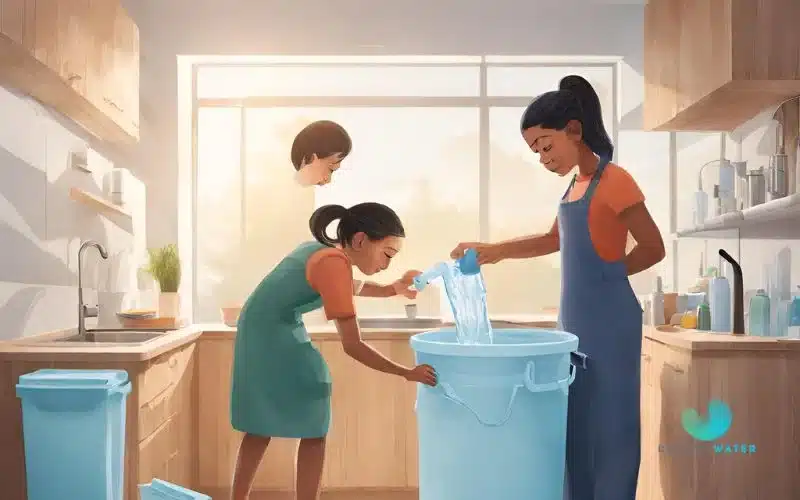
Sustainable water conservation requires commitment from all household members. Begin by conducting a water audit to identify your highest consumption areas and greatest opportunities for improvement.
Setting Realistic Goals
Start with achievable targets like reducing overall consumption by 10-15% within three months. Track baseline usage from utility bills, then monitor progress monthly. Celebrate successes and adjust strategies as needed.
Involve children in conservation efforts through age-appropriate education and responsibilities. Kids who understand water’s value and participate in conservation practices carry these habits into adulthood.
Prioritizing Improvements
Focus first on no-cost or low-cost behavioral changes and simple fixture upgrades. Once these measures are implemented, consider larger investments like appliance replacements based on your budget and potential savings.
Create a timeline for upgrades, prioritizing items with the shortest payback periods or those addressing existing problems like leaks. This phased approach makes conservation financially manageable while steadily reducing consumption.
🌍 The Ripple Effect of Home Water Conservation
Individual household conservation efforts create collective impact far beyond personal savings. Reduced residential water demand decreases the energy required for water treatment and distribution, lowering greenhouse gas emissions associated with water infrastructure.
Conservation also reduces wastewater volume requiring treatment, easing burden on municipal systems and protecting local waterways from pollution. In regions facing water scarcity, residential conservation helps ensure adequate supplies for essential needs including agriculture, industry, and ecosystem health.
By modeling sustainable practices, households influence broader community attitudes toward resource conservation. Neighbors often adopt water-saving measures after observing others’ success, creating positive ripple effects throughout communities.
Making Conservation Your New Normal
Water conservation doesn’t require dramatic lifestyle sacrifices or expensive home renovations. Simple adjustments to daily habits, combined with strategic fixture upgrades and vigilant leak prevention, enable significant reductions in household water use.
Start with one or two changes this week, then gradually incorporate additional strategies as they become routine. Track your progress through utility bills and celebrate reductions in both consumption and costs.
Remember that conservation is an ongoing practice rather than a one-time project. Stay informed about new technologies, remain alert for leaks, and continuously look for improvement opportunities. Your efforts matter—not just for your household budget, but for the sustainable future of our planet’s most essential resource.
Every gallon saved today protects water availability for tomorrow. By streamlining sustainability through practical home conservation measures, you’re investing in environmental stewardship that benefits your family, your community, and generations to come.
