
Anúncios
Every day, millions of tons of organic waste end up in landfills, releasing harmful greenhouse gases. By composting and reducing food waste, you can turn this environmental challenge into an opportunity for positive change.
🌱 Why Food Waste Matters More Than You Think
Food waste represents one of the most overlooked environmental crises of our time. According to global studies, approximately one-third of all food produced for human consumption gets lost or wasted annually. This staggering figure translates to roughly 1.3 billion tons of food ending up in landfills instead of nourishing people or regenerating soil.
Anúncios
When organic matter decomposes in landfills without oxygen, it produces methane—a greenhouse gas 25 times more potent than carbon dioxide. The environmental impact extends beyond emissions. Growing food that never gets eaten wastes precious resources including water, energy, labor, and agricultural land. The water footprint alone is equivalent to the annual flow of Russia’s Volga River.
Beyond environmental concerns, food waste carries significant economic and social implications. Households throw away hundreds of dollars worth of food annually, while millions worldwide face food insecurity. Understanding these interconnected challenges helps us appreciate why composting and waste reduction aren’t just trendy practices—they’re essential strategies for planetary health.
Anúncios
🔄 Understanding the Composting Process
Composting transforms organic waste into nutrient-rich soil amendment through natural decomposition. This biological process relies on microorganisms, fungi, worms, and other decomposers breaking down organic materials into humus—a dark, crumbly substance that enriches soil structure and fertility.
The composting process requires four key elements working in harmony. Carbon-rich “brown” materials like dried leaves, cardboard, and wood chips provide energy for microorganisms. Nitrogen-rich “green” materials including fruit scraps, vegetable peelings, and grass clippings supply protein for microbial reproduction. Oxygen keeps the aerobic bacteria thriving, preventing the anaerobic conditions that create unpleasant odors and methane. Finally, moisture maintains the environment decomposers need to survive and work efficiently.
Temperature plays a crucial role in composting effectiveness. Hot composting systems can reach 130-150°F, killing pathogens and weed seeds while accelerating decomposition. Cold composting operates at ambient temperatures, taking longer but requiring less maintenance. Understanding these fundamentals helps you choose the right composting method for your situation.
🏡 Choosing Your Composting Method
Backyard Composting
Traditional backyard composting suits those with outdoor space and regular organic waste generation. You can start with a simple heap in a corner of your yard or invest in a composting bin that contains materials and maintains aesthetics. Tumbling composters speed the process by making aeration easier, while stationary bins offer larger capacity for households generating substantial waste.
The key to successful backyard composting lies in maintaining proper ratios—roughly 30 parts carbon to 1 part nitrogen. Layer brown and green materials, turning the pile every few weeks to introduce oxygen. Within three to six months, depending on conditions and management, you’ll have finished compost ready to enrich your garden.
Vermicomposting: Worm Power
Vermicomposting harnesses the digestive capabilities of red wiggler worms to transform kitchen scraps into nutrient-dense castings. This method works brilliantly for apartment dwellers and those without yard space. A properly maintained worm bin produces no odor and fits neatly under kitchen sinks or in closets.
Setting up a worm bin requires a container with drainage and ventilation, bedding material like shredded newspaper, and red wiggler worms. These composting champions can consume half their body weight in food daily, processing vegetable scraps, coffee grounds, and paper products into black gold for houseplants and gardens. The liquid runoff, called worm tea, serves as an excellent liquid fertilizer.
Bokashi Fermentation
Bokashi offers a unique approach to composting through anaerobic fermentation. This Japanese method uses beneficial microorganisms to pickle food waste, including items traditional composting can’t handle like meat, dairy, and cooked foods. The process occurs in airtight buckets, making it ideal for small spaces and producing finished material in just two weeks.
After fermentation, bokashi pre-compost needs burial in soil or addition to traditional compost bins where it quickly breaks down. The acidic liquid produced during fermentation, when diluted, creates powerful fertilizer for plants. This method particularly appeals to those wanting to compost all food scraps without restrictions.
Community and Municipal Programs
Not everyone can compost at home, but many cities now offer curbside organic waste collection or community composting sites. These programs provide industrial-scale composting that accepts materials inappropriate for home systems. Participating in municipal programs still diverts waste from landfills and contributes to local soil health initiatives.
🍎 Mastering Food Waste Reduction Strategies
Smart Shopping and Meal Planning
Preventing food waste begins before groceries enter your home. Create detailed meal plans for the week, checking existing inventory before shopping. This simple practice prevents impulse purchases and ensures ingredients get used before spoiling. Shopping with lists reduces overbuying driven by hunger or marketing tactics.
Understanding date labels prevents premature disposal of perfectly good food. “Best by” dates indicate peak quality, not safety deadlines. “Use by” dates apply to perishable items requiring stricter attention. Trust your senses—sight, smell, and taste—to evaluate food condition rather than relying solely on printed dates.
Proper Storage Techniques
Correct storage dramatically extends food lifespan. Some fruits and vegetables release ethylene gas that accelerates ripening in nearby produce. Store ethylene-sensitive items like lettuce, broccoli, and carrots away from ethylene-producing bananas, apples, and tomatoes. Understanding these relationships prevents premature spoilage.
Temperature and humidity control matter significantly. Leafy greens stay crisp wrapped in damp towels in the refrigerator. Root vegetables prefer cool, dark conditions with good air circulation. Herbs last longer stored upright in water like bouquets. Learning optimal storage conditions for different foods minimizes waste and maximizes freshness.
Creative Use of Leftovers and Scraps
Transform potential waste into delicious meals through creative cooking. Vegetable scraps become flavorful broths. Stale bread transforms into croutons, breadcrumbs, or French toast. Overripe fruit excels in smoothies, baked goods, or homemade jams. Developing these habits shifts your perspective from waste to opportunity.
Many vegetable parts typically discarded contain exceptional nutrition and flavor. Broccoli stems, when peeled and sliced, offer sweetness and crunch. Beet greens cook like chard or spinach. Carrot tops make excellent pesto. Exploring nose-to-tail and root-to-stem cooking reduces waste while expanding culinary repertoires.
📱 Technology Tools for Waste Warriors
Several smartphone applications help track food inventory, suggest recipes based on available ingredients, and remind you about expiring items. These digital tools complement physical waste reduction efforts by providing convenient ways to manage food resources efficiently.
Food sharing apps connect people with surplus food to neighbors who can use it, preventing waste while building community connections. These platforms facilitate everything from sharing excess garden produce to rescuing food from local businesses that would otherwise discard perfectly edible items.
🌿 What Can and Cannot Be Composted
Understanding what belongs in your compost system prevents problems and accelerates decomposition. The acceptable materials vary slightly depending on your chosen method, but general principles apply across most home composting systems.
- Green materials (nitrogen-rich): Fruit and vegetable scraps, coffee grounds and filters, tea bags, fresh grass clippings, plant trimmings, and crushed eggshells
- Brown materials (carbon-rich): Dried leaves, straw, wood chips, sawdust from untreated wood, shredded newspaper and cardboard, paper towels, and napkins
- Avoid composting: Meat and bones, dairy products, oils and fats, diseased plants, pet waste, coal ash, and treated wood products
- Use caution with: Citrus peels (in moderation), onions and garlic (can repel worms), bread and grains (may attract pests)
Balancing these materials creates optimal conditions for decomposition while preventing pest problems and odors. When in doubt about specific items, research whether they suit your particular composting method.
🛠️ Troubleshooting Common Composting Challenges
Dealing with Odors
Unpleasant smells indicate imbalanced conditions, usually too much moisture or insufficient oxygen. Add more brown materials to absorb excess moisture and turn the pile to introduce air. Properly managed compost smells earthy and pleasant, never putrid or sour.
Attracting Pests
Rodents and insects target poorly managed compost containing inappropriate materials like meat or exposed food scraps. Bury fresh additions under existing compost, maintain proper moisture levels, and use secure bins with tight-fitting lids. These practices keep unwanted visitors away while supporting beneficial decomposers.
Slow Decomposition
When compost takes forever to break down, several factors might be responsible. Insufficient nitrogen slows microbial activity—add more green materials. Large pieces take longer to decompose—chop materials into smaller chunks. Dry conditions halt the process—add water until materials feel like a wrung-out sponge. Cold temperatures slow everything down—insulate bins or simply wait for warmer weather.
🌍 The Bigger Picture: Environmental and Community Impact
Individual composting and waste reduction efforts create ripples extending far beyond personal gardens. When communities embrace these practices collectively, the environmental benefits multiply exponentially. Reduced landfill burden means lower methane emissions, decreased need for landfill expansion, and diminished groundwater contamination risks.
Finished compost improves soil health throughout communities. Gardens, parks, and urban green spaces benefit from nutrient-rich amendments that reduce dependence on synthetic fertilizers. Healthy soil sequesters carbon, supports biodiversity, and improves water retention, creating more resilient landscapes in the face of climate change.
Community composting initiatives foster connections among neighbors while addressing environmental challenges collectively. Shared composting sites provide solutions for those unable to compost at home while creating educational opportunities and strengthening local food systems. These projects demonstrate how environmental action builds social cohesion.
💚 Making It Stick: Building Sustainable Habits
Transitioning to comprehensive food waste reduction and composting requires building new habits gradually. Start with one or two changes, mastering them before adding more. Perhaps begin by composting coffee grounds and vegetable scraps while implementing better meal planning. As these practices become routine, expand your efforts naturally.
Track your progress to maintain motivation. Weigh food waste before composting to visualize your impact. Calculate money saved through reduced waste and lower garbage fees. Photograph the rich compost you produce and the thriving plants it nourishes. These tangible results reinforce commitment when enthusiasm wanes.
Involve family members or housemates in the process. Children particularly enjoy feeding worm bins and watching composting magic happen. Shared responsibility distributes work while creating collective investment in success. Teaching others spreads knowledge and multiplies positive impact beyond your household.
🎯 Taking Action Today for a Greener Tomorrow
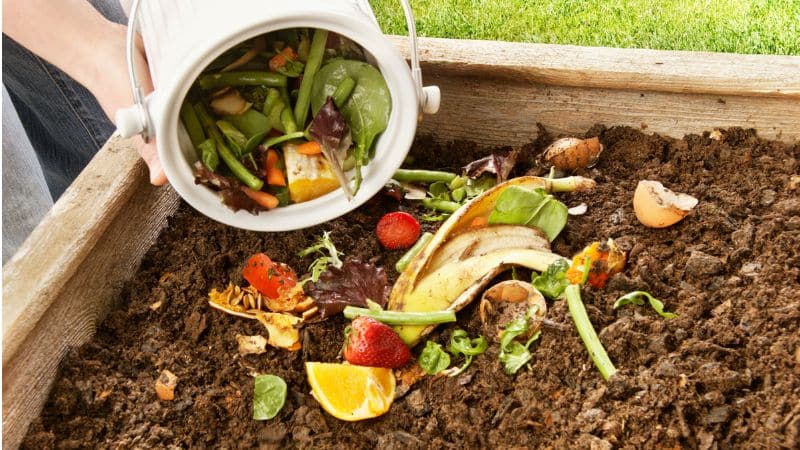
The journey toward zero food waste and comprehensive composting doesn’t require perfection—progress matters most. Every banana peel diverted from landfills, every leftover transformed into tomorrow’s lunch, and every batch of finished compost enriching soil contributes to meaningful change.
Begin where you are with resources you have. Apartment dwellers can vermicompost in small bins. Suburban homeowners might start traditional backyard piles. City residents can seek community programs or bokashi systems. The specific method matters less than the commitment to action.
Remember that transforming trash into treasure represents more than environmental responsibility—it reconnects us with natural cycles and rhythms. Composting closes nutrient loops, returning to earth what came from it. This ancient practice, supported by modern understanding and tools, offers powerful solutions to contemporary challenges.
Your choices ripple outward, inspiring others and contributing to the cultural shift necessary for genuine sustainability. As more individuals embrace composting and waste reduction, collective impact grows exponentially. The greener tomorrow we envision becomes reality through thousands of daily decisions made in kitchens, gardens, and communities worldwide. Start your transformation today, and discover how turning trash into treasure enriches not just your soil, but your life and our shared planet.
