
Anúncios
The global shift toward electrification is creating an unprecedented demand for batteries, making recycling and second-life applications essential for sustainable energy futures.
⚡ The Growing Battery Crisis and Circular Economy Imperative
As electric vehicles dominate headlines and renewable energy storage becomes mainstream, the world faces a looming challenge: what happens to batteries when they reach the end of their primary life? With millions of electric vehicles hitting roads globally and countless energy storage systems being deployed, the battery waste stream is projected to explode exponentially over the next decade.
Anúncios
Currently, lithium-ion batteries power everything from smartphones to electric buses. Industry analysts predict that by 2030, over 11 million tons of lithium-ion batteries will reach end-of-life annually. Without proper recycling infrastructure and second-life strategies, this represents both an environmental catastrophe and a massive economic loss.
The circular economy approach offers a compelling alternative. Rather than viewing spent batteries as waste, forward-thinking companies and policymakers recognize them as valuable resource repositories containing lithium, cobalt, nickel, manganese, and other critical materials that can be recovered and reused.
Anúncios
🔋 Understanding Battery Degradation and Retirement Thresholds
Not all “retired” batteries are created equal. Electric vehicle batteries are typically considered unsuitable for automotive use when they retain only 70-80% of their original capacity. However, this degradation level doesn’t render them useless—it simply means they no longer meet the demanding performance requirements of transportation applications.
Battery degradation occurs through several mechanisms including electrode material breakdown, electrolyte decomposition, and lithium plating. These chemical and physical changes gradually reduce energy capacity and power delivery capabilities. The rate of degradation depends on usage patterns, charging habits, temperature exposure, and overall battery management.
Understanding these degradation patterns is crucial for both recycling and second-life applications. Batteries with certain degradation profiles may be excellent candidates for stationary storage, while those with more severe degradation might be better suited for immediate recycling to recover valuable materials.
The Economic Value Locked Inside Spent Batteries
The materials contained within lithium-ion batteries represent significant economic value. A single electric vehicle battery pack can contain:
- 8-12 kg of lithium
- 10-15 kg of cobalt
- 30-40 kg of nickel
- 50-70 kg of graphite
- Various amounts of manganese, aluminum, and copper
With cobalt prices exceeding $30,000 per ton and lithium carbonate fluctuating between $10,000-$80,000 per ton depending on market conditions, the financial incentive for recycling becomes crystal clear. Recovering these materials reduces dependence on mining operations while providing manufacturers with cost-effective raw materials.
🌍 Advanced Recycling Technologies Transforming the Industry
Battery recycling has evolved far beyond simple shredding and smelting. Today’s advanced recycling facilities employ sophisticated technologies that maximize material recovery while minimizing environmental impact.
Pyrometallurgical Processing
This high-temperature approach involves burning batteries in furnaces at temperatures exceeding 1000°C. The process creates metal alloys that can be further refined to extract valuable elements like cobalt and nickel. While energy-intensive, pyrometallurgical methods handle various battery chemistries without extensive pre-sorting.
The main disadvantage is that lithium and aluminum are typically lost to slag, and the process consumes significant energy. However, ongoing innovations are improving efficiency and recovery rates, making this method increasingly viable for large-scale operations.
Hydrometallurgical Techniques
Water-based chemical processes dissolve battery materials using acids and other solvents, allowing selective precipitation and extraction of individual elements. Hydrometallurgical recycling achieves higher recovery rates—often exceeding 95% for cobalt, nickel, and lithium—with lower energy consumption than pyrometallurgical methods.
Leading recycling companies have developed proprietary hydrometallurgical processes that produce battery-grade materials directly, enabling true closed-loop recycling where recovered materials return to battery production without quality degradation.
Direct Recycling and Cathode Regeneration
The newest frontier in battery recycling focuses on preserving cathode structure rather than breaking materials down to elemental components. Direct recycling methods use specialized processes to remove degradation products and restore cathode materials to original specifications.
This approach promises the highest environmental and economic value by maintaining the complex crystalline structures that give cathode materials their electrochemical properties. Successful direct recycling could reduce processing costs by 50% or more compared to traditional methods.
🏢 Second-Life Applications: Extending Battery Usefulness
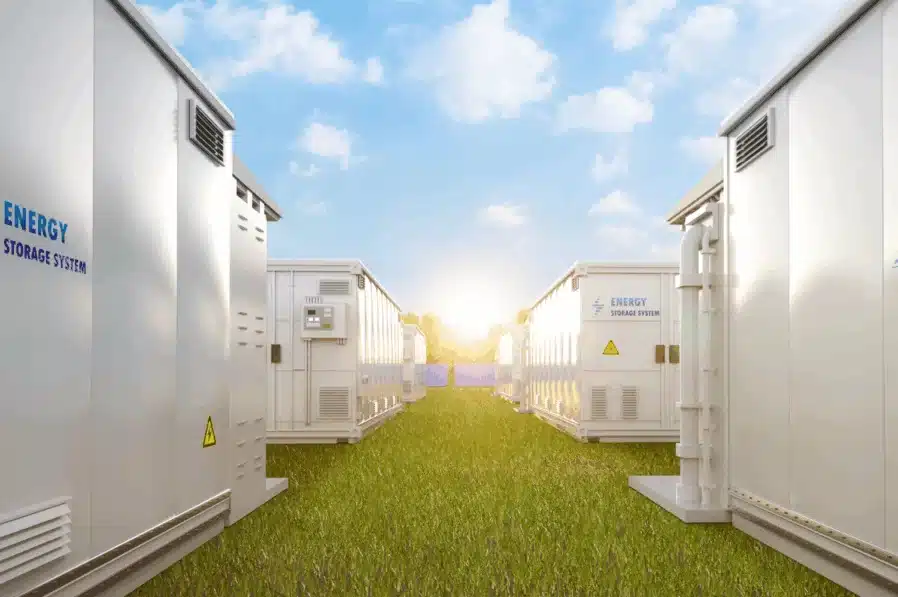
Before batteries reach recycling facilities, they often have years of productive service remaining in less demanding applications. Second-life battery programs repurpose retired electric vehicle packs for stationary energy storage, creating value while deferring recycling costs and environmental impacts.
Grid-Scale Energy Storage Solutions
Renewable energy sources like solar and wind produce power intermittently, creating demand for storage systems that can absorb excess generation and discharge during peak demand periods. Second-life batteries provide cost-effective storage solutions for utilities and independent power producers.
Several pioneering projects demonstrate the viability of this approach. BMW and Vattenfall partnered to create a 2.8 MWh storage system using 2,600 repurposed EV batteries in Germany. Nissan has deployed similar systems across Europe and Japan, utilizing Leaf batteries to support grid stability and integrate renewable energy.
These installations prove that batteries with 70-80% capacity remaining deliver reliable performance for 5-10 additional years in stationary applications, effectively doubling their useful life and improving the overall economics of electric vehicle ownership.
Commercial and Residential Backup Power
Businesses and homeowners increasingly seek energy independence and resilience against grid outages. Second-life batteries offer affordable backup power solutions, particularly when paired with rooftop solar installations.
Commercial facilities like data centers, hospitals, and manufacturing plants require uninterruptible power supplies. Repurposed EV batteries meet these requirements at fraction of the cost of new battery systems, with adequate performance for most backup power scenarios.
Fast Charging Infrastructure Enhancement
Electric vehicle fast charging stations create significant demand spikes on electrical grids. Second-life battery systems can buffer these loads, drawing power gradually from the grid and delivering rapid charges to vehicles without straining local infrastructure.
This application simultaneously addresses two critical challenges: reducing grid upgrade costs for charging infrastructure and creating valuable second-life markets for retired batteries. Several charging networks are already implementing this approach at high-traffic charging locations.
💡 Innovative Business Models Driving Adoption
Traditional battery ownership models are giving way to innovative approaches that prioritize lifecycle value and circular economy principles.
Battery-as-a-Service Platforms
Some manufacturers are retaining battery ownership even when vehicles are sold, offering battery capacity as a subscription service. This model incentivizes manufacturers to maximize battery life and facilitates second-life deployment since ownership never transfers from entities with expertise and infrastructure to manage repurposing.
Chinese companies like NIO have implemented battery swapping networks where customers never own batteries, instead paying for capacity and range. This approach perfectly positions batteries for seamless transition to second-life applications when automotive performance declines.
Automated Diagnostic and Sorting Systems
Determining which batteries are suitable for second-life applications versus immediate recycling requires sophisticated testing. Advanced diagnostic systems now use machine learning algorithms to assess battery health, predict remaining useful life, and recommend optimal end-of-life pathways.
These technologies reduce costs associated with battery repurposing by automating inspection processes that previously required extensive manual testing. Faster, more accurate assessments improve economics for both second-life applications and recycling operations.
🌱 Environmental and Sustainability Benefits
The environmental case for battery recycling and second-life applications extends far beyond waste reduction. Mining operations for battery raw materials create significant environmental and social impacts including habitat destruction, water contamination, and concerning labor practices in some regions.
Recycling substantially reduces these impacts. Studies indicate that producing battery materials from recycled sources generates 30-40% less greenhouse gas emissions compared to mining virgin materials. Water consumption decreases by similar margins, and habitat disruption is virtually eliminated.
Second-life applications amplify these benefits by extending battery utility without any additional manufacturing. Every year a battery operates in second-life applications delays the energy and material requirements of both battery recycling and new battery production.
⚖️ Policy Frameworks and Regulatory Developments
Governments worldwide are implementing regulations to ensure responsible battery end-of-life management. The European Union has led with comprehensive battery regulations requiring minimum recycled content in new batteries, mandatory collection programs, and transparent supply chain documentation.
China has implemented producer responsibility systems requiring vehicle manufacturers to establish battery collection and recycling networks. These regulations create infrastructure and financing mechanisms necessary for large-scale recycling operations.
In the United States, various states have introduced battery stewardship programs, though national frameworks remain under development. Industry groups are advocating for consistent national standards to facilitate interstate commerce in recycled materials and second-life batteries.
Extended Producer Responsibility
Extended producer responsibility (EPR) policies assign manufacturers financial and operational responsibility for product end-of-life management. For batteries, this means vehicle and device manufacturers must fund collection, testing, repurposing, and recycling infrastructure.
EPR frameworks create economic incentives for designing batteries that are easier to disassemble, test, and recycle. Manufacturers who can recover and reuse their own materials gain competitive advantages through reduced raw material costs and enhanced brand reputation.
🚀 Emerging Challenges and Innovation Opportunities
Despite tremendous progress, battery recycling and second-life applications face ongoing challenges that present opportunities for innovation and improvement.
Design for Disassembly and Recycling
Many current battery packs were designed without consideration for end-of-life processing. Adhesives, complex assembly methods, and integrated structural components make disassembly difficult, dangerous, and expensive.
Next-generation battery designs increasingly incorporate standardized modules, mechanical fasteners instead of adhesives, and clear disassembly instructions. Industry-wide standardization efforts could dramatically reduce repurposing and recycling costs while improving safety for workers handling end-of-life batteries.
Safety Protocols and Thermal Management
Degraded batteries pose fire risks if improperly handled. Developing robust safety protocols for transportation, storage, testing, and processing of end-of-life batteries is critical for scaling recycling and second-life operations.
Advanced battery management systems and thermal monitoring technologies are being adapted for second-life applications, ensuring that repurposed batteries operate safely even with degraded performance characteristics.
Economic Viability at Scale
While recycling economics improve as technology advances and material prices increase, some recycling operations still struggle with profitability, particularly during periods of low commodity prices. Government support, producer responsibility systems, and continued technological innovation are necessary to ensure economic sustainability of recycling infrastructure.
Second-life applications face similar economic challenges. Testing, refurbishment, and system integration costs must be lower than new battery prices to create viable markets. As electric vehicle production scales and retired battery volumes increase, economies of scale should improve second-life economics substantially.
🔮 The Future Landscape: Integration and Optimization
The future of battery lifecycle management involves seamlessly integrated systems that optimize decisions between continued use, second-life applications, and recycling based on real-time data, market conditions, and environmental considerations.
Digital battery passports—comprehensive digital records tracking battery manufacturing, usage patterns, health status, and composition—are emerging as essential tools. These systems will enable automated routing of end-of-life batteries to their highest-value applications while providing transparency for regulators and consumers.
Artificial intelligence and predictive analytics will optimize battery management throughout lifecycles, extending primary service life through intelligent charging strategies, identifying optimal timing for second-life transition, and maximizing material recovery through refined recycling processes.
🌟 Building a Sustainable Battery Ecosystem
Realizing the full potential of battery recycling and second-life applications requires coordinated action across multiple stakeholders. Manufacturers must design for circularity, incorporating recyclability and repurposing considerations from initial design stages. Policymakers need to establish clear, consistent frameworks that incentivize responsible practices while ensuring safety and environmental protection.
Investors and entrepreneurs should recognize the substantial opportunities in battery lifecycle services. As electric vehicle adoption accelerates, companies providing testing, refurbishment, recycling, and second-life integration services will become increasingly valuable.
Consumers play important roles through responsible disposal practices and supporting companies committed to circular economy principles. Understanding that batteries in smartphones, tools, and vehicles have value beyond their initial use encourages participation in collection and recycling programs.
The transformation toward sustainable battery management is already underway, driven by environmental necessity, economic opportunity, and technological innovation. By unlocking the potential of battery recycling and second-life applications, we can power the future more sustainably, reducing environmental impacts while securing critical material supplies for continued electrification. The path forward requires continued investment, collaboration, and commitment to circular economy principles, but the benefits—environmental, economic, and social—make this one of the most important industrial transitions of our time.
