
Anúncios
Water scarcity affects billions worldwide, yet buildings waste thousands of gallons daily. Modern water recycling systems offer a practical solution to transform your property into an eco-friendly powerhouse.
💧 Understanding the Water Crisis in Modern Buildings
The global water crisis has reached a critical point, with commercial and residential buildings accounting for nearly 12% of total freshwater consumption. Traditional plumbing systems operate on a linear model: fresh water comes in, gets used once, and flows out as wastewater. This outdated approach not only depletes precious water resources but also increases operational costs significantly.
Anúncios
Building owners and facility managers face mounting pressure from regulatory bodies, environmental organizations, and cost-conscious stakeholders to reduce water consumption. The solution lies not in using less water, but in using the same water more efficiently through advanced recycling technologies.
What Makes Water Recycling Systems Game-Changing Technology
Water recycling systems represent a fundamental shift in how buildings manage their most vital resource. These cutting-edge solutions capture, treat, and redistribute water from various sources including showers, sinks, washing machines, and even rainwater. The treated water can then be repurposed for non-potable applications such as toilet flushing, irrigation, cooling systems, and industrial processes.
Anúncios
Modern systems utilize multiple treatment stages including filtration, biological processing, UV sterilization, and advanced oxidation processes. The result is high-quality recycled water that meets or exceeds safety standards for its intended use while reducing fresh water demand by 30-50% in typical installations.
The Technology Behind Advanced Water Recycling
Today’s water recycling systems incorporate sophisticated monitoring and treatment technologies that were unavailable just a decade ago. Smart sensors continuously measure water quality parameters including pH levels, turbidity, total dissolved solids, and bacterial content. Automated control systems adjust treatment processes in real-time to ensure consistent water quality regardless of input variations.
Membrane bioreactors combine biological treatment with ultrafiltration membranes to remove contaminants at the molecular level. This technology produces water so clean it often surpasses municipal water quality standards. Some advanced systems even incorporate reverse osmosis for applications requiring near-potable quality water.
🏢 Financial Benefits That Transform Your Bottom Line
Installing a water recycling system requires upfront investment, but the financial returns are compelling and measurable. Buildings typically see 40-60% reductions in water utility bills, with payback periods ranging from 3-7 years depending on local water rates, building size, and usage patterns.
Beyond direct water savings, properties benefit from reduced sewage discharge fees, which can represent 50-80% of total water-related costs in some municipalities. Buildings with high water consumption—such as hotels, hospitals, manufacturing facilities, and multi-family residential complexes—experience even faster returns on investment.
Real-World Cost Savings Examples
A 200-room hotel in California installed a greywater recycling system and reduced annual water costs by $45,000 while cutting consumption by 1.2 million gallons yearly. The system paid for itself in just 4.5 years and continues generating savings indefinitely.
An office building in Singapore implemented rainwater harvesting combined with greywater treatment and achieved 35% water independence while saving approximately $28,000 annually on utility expenses. The building also qualified for green building certification bonuses that increased property value by 8%.
Environmental Impact Beyond Water Conservation
Water recycling systems deliver environmental benefits that extend far beyond the water saved. Every gallon of recycled water reduces the energy required for municipal water treatment and distribution, which involves pumping, chemical treatment, and infrastructure maintenance. This translates to significant carbon footprint reductions.
Buildings with on-site water recycling also reduce strain on local water sources and treatment facilities, particularly important during drought conditions or in water-stressed regions. This community-level benefit enhances a building’s reputation and demonstrates genuine environmental stewardship.
🌍 Measuring Your Environmental Contribution
Quantifying environmental impact helps stakeholders understand the true value of water recycling investments. A medium-sized commercial building recycling 500,000 gallons annually prevents approximately 2.5 tons of CO2 emissions from water treatment and distribution processes. This equals removing one car from the road for an entire year.
Additionally, reduced wastewater discharge means fewer pollutants entering natural water systems. Even after treatment, municipal wastewater contains trace pharmaceuticals, microplastics, and chemical residues. On-site recycling intercepts these contaminants before they can impact ecosystems.
Types of Water Recycling Systems for Different Buildings
No single system fits all buildings. Selecting the appropriate technology depends on building type, water usage patterns, available space, local regulations, and budget considerations. Understanding the main system categories helps building owners make informed decisions.
Greywater Recycling Systems
Greywater systems treat water from showers, baths, washing machines, and bathroom sinks. This water contains relatively low contamination levels, making treatment simpler and more cost-effective than blackwater processing. Treated greywater typically serves toilet flushing, irrigation, and HVAC cooling applications.
These systems work exceptionally well in residential buildings, hotels, gyms, and any facility with high greywater generation relative to total consumption. Installation can often occur with minimal disruption to existing plumbing infrastructure.
Rainwater Harvesting and Treatment
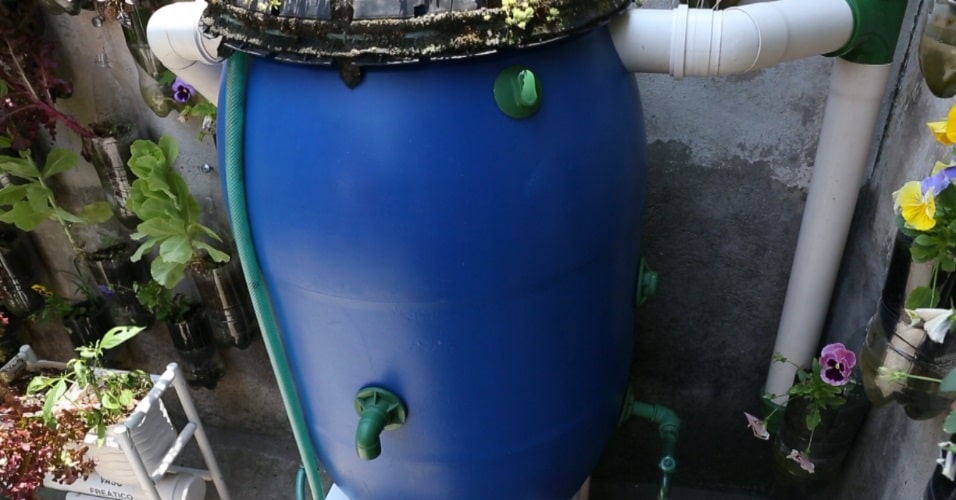
Rainwater collection captures precipitation from roofs and surfaces, storing it for later use. While relatively clean, rainwater requires filtration and disinfection before use. These systems shine in areas with adequate rainfall and buildings with large roof areas.
Combining rainwater harvesting with greywater recycling creates a comprehensive water management approach that maximizes conservation while providing redundancy. When one source is limited, the other compensates.
Blackwater Treatment Systems
Advanced blackwater systems treat sewage to produce high-quality recycled water suitable for nearly any non-potable application. These sophisticated systems require more space, energy, and maintenance but offer maximum water recovery potential—up to 80-90% in some installations.
Large commercial complexes, industrial facilities, and residential communities benefit most from blackwater treatment, particularly in water-scarce regions where every drop counts. Some cutting-edge systems produce water clean enough for indirect potable reuse after additional treatment.
⚙️ Implementation: From Planning to Operation
Successful water recycling system implementation requires careful planning, professional design, and proper integration with existing building systems. The process typically unfolds over several months and involves multiple stakeholders including engineers, contractors, regulatory officials, and building occupants.
Initial Assessment and Feasibility Study
The journey begins with a comprehensive water audit documenting current consumption patterns, identifying recycling opportunities, and establishing baseline costs. Engineers analyze water sources, usage points, available space for equipment, and potential integration challenges.
Feasibility studies model various system configurations, projecting costs, savings, and payback periods. This analysis identifies the optimal system design for your specific building and provides data to support investment decisions.
Design and Engineering Phase
Detailed system design specifies equipment selection, pipe routing, storage tank sizing, treatment processes, and control systems. Engineers coordinate with architects to integrate equipment aesthetically and functionally while minimizing space requirements.
This phase also addresses regulatory compliance, obtaining necessary permits, and ensuring designs meet local health codes and building standards. Many jurisdictions now offer expedited permitting for water conservation projects.
Installation and Commissioning
Professional installation typically takes 2-8 weeks depending on system complexity and building size. Contractors minimize disruption by scheduling work during off-hours or phasing installation across building sections.
After installation, systems undergo rigorous testing and commissioning to verify proper operation, water quality, and integration with building automation systems. Operators receive comprehensive training on system operation, maintenance, and troubleshooting.
Smart Technology Integration and Monitoring
Modern water recycling systems leverage IoT connectivity and artificial intelligence to optimize performance automatically. Smart sensors monitor dozens of parameters continuously, detecting issues before they become problems and adjusting treatment processes for maximum efficiency.
Cloud-based dashboards provide real-time visibility into system performance, water savings, and maintenance needs from any internet-connected device. Building managers receive alerts about abnormal conditions, upcoming maintenance requirements, and optimization opportunities.
📊 Data Analytics for Continuous Improvement
Advanced analytics platforms process system data to identify trends, predict maintenance needs, and recommend operational adjustments. Machine learning algorithms become more accurate over time, continuously improving system efficiency and reliability.
These insights help building managers demonstrate ROI to stakeholders, comply with sustainability reporting requirements, and identify additional conservation opportunities beyond water recycling itself.
Overcoming Common Implementation Challenges
Despite clear benefits, some building owners hesitate due to perceived challenges. Understanding these concerns and their solutions removes barriers to adoption.
Space Constraints in Existing Buildings
Modern systems feature compact designs that fit in mechanical rooms, basements, or even outdoor enclosures. Modular equipment allows installations in unconventional spaces. For extremely space-constrained properties, decentralized systems treat water at individual fixtures or floors rather than centrally.
Regulatory Complexity
Water recycling regulations vary by jurisdiction, but most regions now have established guidelines and supportive policies. Experienced system providers navigate regulatory requirements routinely and often maintain relationships with local authorities that streamline approval processes.
Occupant Concerns About Water Quality
Education and transparency address concerns about recycled water. Clearly marking recycled water pipes and fixtures, sharing water quality test results, and explaining treatment processes builds confidence. Decades of safe operation in thousands of buildings worldwide demonstrate system reliability.
🌟 Future Trends Shaping Water Recycling Technology
Water recycling technology continues evolving rapidly, with innovations promising even greater efficiency, lower costs, and expanded applications. Staying informed about emerging trends helps building owners future-proof their investments.
Decentralized Treatment Systems
Next-generation systems treat water at individual fixtures or zones rather than centrally, reducing piping requirements and enabling retrofit installations in existing buildings. These modular units can scale incrementally as budgets allow.
Energy-Positive Water Treatment
Emerging technologies extract energy from wastewater through anaerobic digestion, microbial fuel cells, and heat recovery. Some advanced systems generate more energy than they consume, transforming water recycling from a cost center into an energy asset.
AI-Driven Predictive Maintenance
Artificial intelligence algorithms analyze system performance patterns to predict component failures before they occur, enabling proactive maintenance that minimizes downtime and extends equipment life. These systems learn from thousands of installations to benefit individual buildings.
Making the Business Case to Stakeholders
Securing approval and funding requires presenting a compelling business case that addresses financial, environmental, and reputational considerations. Successful proposals combine hard data with strategic positioning.
Emphasize tangible financial returns including utility savings, reduced maintenance costs, and potential incentives or rebates. Quantify environmental benefits in terms that resonate with stakeholders—carbon reductions, water saved, and community impact. Highlight reputational advantages including green building certifications, positive publicity, and alignment with corporate sustainability commitments.
💼 Financing Options and Incentives
Various financing mechanisms make water recycling accessible even for budget-conscious organizations. Many utilities offer rebates covering 10-30% of installation costs. Government grants support water conservation projects, particularly in drought-prone regions.
Performance contracting arrangements allow implementation with no upfront capital, financing costs through guaranteed savings. Green bonds and sustainability-linked loans offer favorable terms for environmental projects. Some jurisdictions provide property tax incentives or expedited permitting for buildings with water recycling systems.
Taking Action: Your Path to Water Independence
Revolutionizing your building’s sustainability through water recycling begins with a single step. Contact water efficiency consultants or system providers to schedule a preliminary assessment. Many companies offer free feasibility evaluations that identify opportunities specific to your property.
Join the growing community of forward-thinking building owners transforming water from a consumable resource into a renewable asset. The technology exists today to dramatically reduce water consumption, cut operating costs, and demonstrate environmental leadership. The question isn’t whether water recycling makes sense—it’s whether you can afford to delay implementation while competitors gain these advantages.
As water scarcity intensifies and regulatory requirements tighten, buildings with recycling systems will enjoy competitive advantages including lower operating costs, enhanced marketability, and resilience against water supply disruptions. Early adopters position themselves as industry leaders while benefiting from current incentives that may not last forever.
The future of sustainable building management is clear: water recycling transitions from optional upgrade to essential infrastructure. Buildings that embrace this technology today will thrive in tomorrow’s water-constrained world, while those that delay face rising costs and shrinking resources. Your building’s water revolution starts now.
