
Anúncios
Eco-architecture is reshaping how developing nations build, offering sustainable alternatives that address climate change, resource scarcity, and rapid urbanization challenges simultaneously.
🌍 The Urgent Need for Green Building in Emerging Economies
Developing countries face a unique paradox: they must accommodate explosive population growth and urbanization while simultaneously combating climate change with limited financial resources. Traditional construction methods consume vast amounts of energy, water, and materials, creating environmental footprints that these nations can ill afford. The construction sector alone accounts for approximately 39% of global carbon emissions, with developing countries increasingly contributing to this figure as their economies expand.
Anúncios
Eco-architecture presents a viable pathway forward, combining innovative design principles with locally available materials and traditional building wisdom. This approach doesn’t merely transplant Western green building concepts but adapts them to local climates, cultures, and economic realities. From bamboo skyscrapers in Southeast Asia to earth-bag houses in Africa, sustainable architecture is proving that development and environmental stewardship aren’t mutually exclusive goals.
Understanding Eco-Architecture Beyond Green Labels
Eco-architecture extends far beyond solar panels and recycled materials. It represents a holistic design philosophy that considers the entire lifecycle of a building—from material extraction and construction through decades of use to eventual demolition and recycling. This comprehensive approach evaluates how structures interact with their environments, communities, and occupants.
Anúncios
The fundamental principles include passive design strategies that work with natural climate patterns rather than against them. These strategies minimize mechanical heating and cooling needs through proper orientation, natural ventilation, thermal mass, and shading. In tropical developing nations, this might mean elevated structures that capture breezes, while in arid regions, thick walls and small windows reduce heat gain.
Material Innovation Rooted in Tradition
Modern eco-architecture in developing countries often rediscovers and refines traditional building materials that colonial and modernization processes had marginalized. Rammed earth, bamboo, adobe, and laterite stone offer excellent thermal properties, local availability, and minimal processing requirements. These materials sequester carbon rather than emitting it during production, unlike concrete and steel.
Bamboo exemplifies this material renaissance. Growing to maturity in just three to five years compared to decades for hardwood trees, bamboo possesses a tensile strength comparable to steel. Architects in Colombia, Vietnam, and Kenya now design multi-story bamboo structures that meet international building codes while providing employment in rural bamboo cultivation and processing.
🏗️ Revolutionary Projects Transforming Landscapes
Across Africa, Asia, and Latin America, pioneering eco-architecture projects demonstrate sustainable development’s practical possibilities. These aren’t experimental curiosities but functional buildings serving real communities—schools, hospitals, housing complexes, and commercial centers that prove green building works at scale.
The Makoko Floating School in Nigeria
Lagos’s Makoko neighborhood, built on stilts above water, housed over 100,000 residents with minimal infrastructure. The Makoko Floating School, designed by Nigerian architect Kunlé Adeyemi, addressed educational needs while demonstrating climate-adaptive architecture. This triangular, three-story structure floats on recycled plastic barrels, utilizing solar power and rainwater collection. Though the original structure eventually collapsed during storms, its successor designs incorporated lessons learned and inspired similar floating architecture across coastal communities facing sea-level rise.
Rwanda’s Green Building Minimum Compliance System
Rwanda has mandated green building standards for all new public buildings and developments over certain sizes. This policy framework requires energy efficiency measures, water conservation systems, and sustainable material use. The Kigali Convention Centre exemplifies these standards with its rainwater harvesting system, solar installations, and locally sourced volcanic stone construction. This top-down approach demonstrates how government policy can accelerate sustainable architecture adoption across entire nations.
Climate-Responsive Design Strategies
Effective eco-architecture recognizes that sustainable building solutions must respond to specific climatic conditions. A design perfect for humid tropical Indonesia would fail miserably in arid Morocco. Understanding regional climate characteristics enables architects to deploy appropriate passive strategies that dramatically reduce energy consumption without sophisticated technology.
Tropical Climate Solutions
Buildings in hot, humid regions prioritize natural ventilation and shade. Wide roof overhangs protect walls from direct sun and rain. Elevated structures capture breezes while avoiding ground-level moisture. Lightweight, breathable materials allow heat dissipation. The Green School in Bali, Indonesia, constructed entirely from bamboo, demonstrates these principles with its open-sided classrooms that blur indoor-outdoor boundaries while maintaining comfort without air conditioning.
Arid and Desert Adaptations
Desert eco-architecture employs opposite strategies—thermal mass, minimal openings, and earth-integration. Thick adobe or rammed earth walls absorb daytime heat, releasing it gradually at night when temperatures plummet. Small windows reduce heat gain while strategic courtyards create microclimates. The Hassan Fathy-inspired New Gourna village in Egypt showcased how traditional Nubian vault and dome construction using mud brick creates naturally cool interiors without mechanical systems.
💡 Technology Meeting Traditional Wisdom
The most successful eco-architecture projects in developing countries synthesize cutting-edge technology with indigenous building knowledge. This fusion respects cultural heritage while addressing contemporary challenges like energy access, water scarcity, and disaster resilience.
Digital tools now enable architects to simulate building performance before construction, optimizing designs for specific sites and climates. Computational fluid dynamics modeling predicts airflow patterns, while thermal analysis software identifies heat gain and loss points. These technologies are increasingly accessible through cloud-based platforms and mobile applications, democratizing advanced design capabilities.
Appropriate Technology Integration
Eco-architecture emphasizes appropriate technology—solutions matching local technical capacity, maintenance capabilities, and economic resources. A sophisticated building management system requiring specialized technicians makes little sense in remote areas, while simple, robust systems using locally available components ensure long-term functionality.
Solar photovoltaic systems exemplify appropriate technology when designed correctly. Rather than grid-tied systems requiring stable electrical infrastructure, off-grid systems with battery storage provide reliable power in areas with unreliable or non-existent grids. Community training in basic maintenance ensures system longevity without dependence on distant experts.
Economic Viability and Social Impact
Skeptics often dismiss eco-architecture as expensive luxury unsuitable for developing countries facing pressing poverty. However, comprehensive lifecycle cost analysis reveals that sustainable buildings frequently cost less over their operational lifespans than conventional structures. Reduced energy and water consumption, lower maintenance requirements, and enhanced durability offset any initial premium.
Beyond direct economic benefits, eco-architecture creates employment in sustainable material production, green construction trades, and renewable energy installation. These jobs often employ local workers and keep financial resources circulating within communities rather than purchasing imported materials and fuels.
Financing Sustainable Development
Innovative financing mechanisms are emerging to fund green building in developing countries. Green bonds, impact investment funds, and climate finance facilities specifically target sustainable infrastructure projects. Multilateral development banks increasingly condition lending on environmental performance criteria, encouraging borrowers to adopt eco-architecture principles.
Microfinance institutions in countries like Bangladesh and Kenya now offer green home improvement loans for solar systems, rainwater harvesting, and energy-efficient cookstoves. These small-scale interventions, replicated across thousands of households, create significant cumulative environmental benefits while improving living standards.
🌱 Educational Initiatives Building Capacity
Sustainable architecture’s success in developing countries ultimately depends on building local capacity—training architects, engineers, builders, and craftspeople in green design and construction methods. Universities across Africa, Asia, and Latin America are expanding sustainable architecture curricula, while vocational programs teach practical skills like bamboo treatment, earth construction techniques, and solar installation.
The Auroville Earth Institute in India offers hands-on courses in compressed earth block construction, vault and dome building, and earth-based plasters. Graduates have launched earth construction enterprises across Asia and Africa, spreading knowledge while creating livelihoods. Similar initiatives exist for bamboo construction in Colombia, straw-bale building in Mongolia, and passive solar design in various countries.
Community-Led Design Processes
Participatory design methodologies ensure that eco-architecture projects reflect community needs and preferences rather than imposing external visions. Architects facilitate workshops where residents express priorities, share local knowledge, and contribute to design decisions. This collaborative approach increases project acceptance, ensures cultural appropriateness, and empowers communities.
The Rural Studio in Alabama, USA, though not in a developing country, pioneered community-engaged sustainable design education that has inspired similar programs globally. Architecture students work directly with low-income communities to design and build affordable, sustainable homes, learning that good architecture serves social justice alongside environmental goals.
Overcoming Implementation Barriers
Despite eco-architecture’s obvious benefits, significant barriers impede widespread adoption in developing countries. Building codes often reference outdated standards favoring conventional construction. Material suppliers stock familiar products rather than sustainable alternatives. Builders lack training in green construction methods. Financial institutions understand conventional construction cost structures but struggle to evaluate innovative sustainable projects.
Regulatory Reform and Standards Adaptation
Progressive governments are updating building codes to accommodate and encourage sustainable construction. Rather than prescriptive requirements specifying exact materials and methods, performance-based codes establish outcomes—energy efficiency levels, structural safety standards—while allowing flexibility in how builders achieve them. This approach accommodates innovation and traditional methods alike.
International organizations like the World Green Building Council work with developing country governments to adapt green building certification systems to local contexts. While systems like LEED originated in developed countries, localized versions consider regional materials, climate conditions, and economic realities, making certification achievable and relevant.
🏘️ Urban Planning and Sustainable Communities
Individual sustainable buildings, while valuable, cannot alone address developing countries’ urbanization challenges. Comprehensive eco-architecture integrates with sustainable urban planning—creating walkable neighborhoods, preserving green space, developing public transportation, and ensuring equitable resource access.
The eco-city movement in countries like China and India attempts large-scale sustainable urban development. Lavasa in India and Tianjin Eco-City in China envision entire cities built on sustainability principles. While these ambitious projects face criticism regarding displacement and authenticity, they experiment with integrated systems thinking at unprecedented scales.
Incremental Urbanism and Informal Settlements
Most developing country urbanization occurs through informal settlements that grow organically without official planning. Rather than demolishing these communities, progressive approaches apply eco-architecture principles to incremental improvements—adding solar lighting, improving ventilation, introducing water recycling, and strengthening structures with sustainable materials.
This pragmatic approach, championed by architects like Alejandro Aravena in Chile, recognizes informal settlers’ agency and resourcefulness. Providing frameworks and support rather than complete solutions empowers residents to improve their homes sustainably over time as resources permit.
Water Management in Sustainable Design
Water scarcity affects billions globally, with developing countries disproportionately impacted. Eco-architecture addresses water challenges through rainwater harvesting, greywater recycling, water-efficient fixtures, and landscape design minimizing irrigation needs. These strategies reduce pressure on overtaxed municipal water systems while ensuring buildings maintain functionality during supply disruptions.
Rainwater harvesting systems range from simple rooftop collection with storage tanks to sophisticated systems with filtration and pumping. In rural areas lacking piped water, these systems provide clean water for drinking, cooking, and sanitation. Even in cities with water infrastructure, harvesting reduces demand on stressed systems during dry seasons.
Sanitation Solutions and Ecological Systems
Sustainable sanitation systems treat human waste as a resource rather than a disposal problem. Composting toilets convert waste into valuable soil amendments without requiring water or sewer infrastructure. Constructed wetlands naturally treat greywater through biological processes. Biogas digesters capture methane from waste for cooking fuel while producing liquid fertilizer.
These ecological sanitation approaches particularly benefit rural areas and informal urban settlements lacking conventional sewerage. Organizations like SOIL in Haiti demonstrate how container-based sanitation services can provide dignified, hygienic toilets in dense urban neighborhoods while creating agricultural compost and green jobs.
🌿 Looking Forward: Scaling Sustainable Solutions
Eco-architecture in developing countries stands at a critical juncture. Successful demonstration projects have proven technical feasibility and economic viability. Policy frameworks supporting sustainable building are emerging. Educational programs are training new generations of green builders. Yet the scale of construction occurring in developing countries—projected to add building floor area equivalent to Paris every week for decades—demands dramatic acceleration of sustainable practices.
Achieving this transformation requires coordinated action across multiple domains. Governments must strengthen green building policies, streamline approval processes for sustainable construction, and invest in capacity building. Financial institutions need to develop green construction lending products and recognize sustainable buildings’ superior risk profiles. Industry must scale sustainable material production and develop supply chains making green products accessible and affordable.
The Digital Revolution in Green Building
Digital technologies increasingly enable sustainable architecture’s scaling. Building Information Modeling (BIM) software helps architects design more efficiently and predict performance accurately. Artificial intelligence optimizes building systems for energy efficiency. Mobile applications connect builders with sustainable material suppliers and provide construction guidance. Online platforms share open-source sustainable design knowledge globally, democratizing expertise previously concentrated in elite institutions.
This digital transformation makes sophisticated sustainable design accessible to smaller firms and individual practitioners across developing countries. Cloud-based tools require only internet-connected devices rather than expensive software licenses and powerful computers. Online training platforms offer education without the time and cost of formal degree programs.
Cultural Identity in Contemporary Sustainable Design
As developing countries embrace eco-architecture, questions arise about cultural identity and aesthetic expression. Does sustainable building mean abandoning distinctive architectural traditions for homogenized global green design? The most thoughtful practitioners argue that authentic eco-architecture must engage deeply with local culture, climate, and context.
Contemporary vernacular architecture reinterprets traditional forms and materials through modern understanding of building science. A rammed earth structure might incorporate traditional decorative patterns while using engineered stabilization for enhanced durability. A bamboo building might reference historic construction methods while employing modern joinery techniques ensuring seismic resilience.
This culturally grounded approach to eco-architecture resists both romanticized nostalgia and uncritical modernization. It recognizes that traditional building wisdom evolved over centuries through trial and error, encoding sophisticated climate responses. Simultaneously, it applies contemporary knowledge and materials where they genuinely improve performance, safety, or affordability.
Building Resilience for an Uncertain Future
Climate change introduces profound uncertainty into architectural practice. Buildings designed for historical climate conditions may face radically different futures—more intense storms, prolonged droughts, temperature extremes, or sea-level rise. Eco-architecture must therefore emphasize resilience—the capacity to withstand shocks and adapt to changing conditions.
Resilient design strategies include passive survivability—buildings maintaining livable conditions during extended power outages. Redundant systems provide backup when primary systems fail. Flexible designs allow adaptation as needs change. Distributed systems avoid single points of failure. Durable materials withstand extreme weather. Elevated structures avoid flooding. These principles ensure buildings protect occupants through crises rather than becoming liabilities.
Climate adaptation and mitigation reinforce each other in resilient eco-architecture. Energy-efficient buildings reduce greenhouse gas emissions while lowering operating costs. Renewable energy systems provide power when grids fail. Water harvesting ensures supply during droughts. Green roofs cool buildings while managing stormwater. Sustainable design thus addresses both causes and consequences of climate change simultaneously.
🌏 A New Paradigm for Development
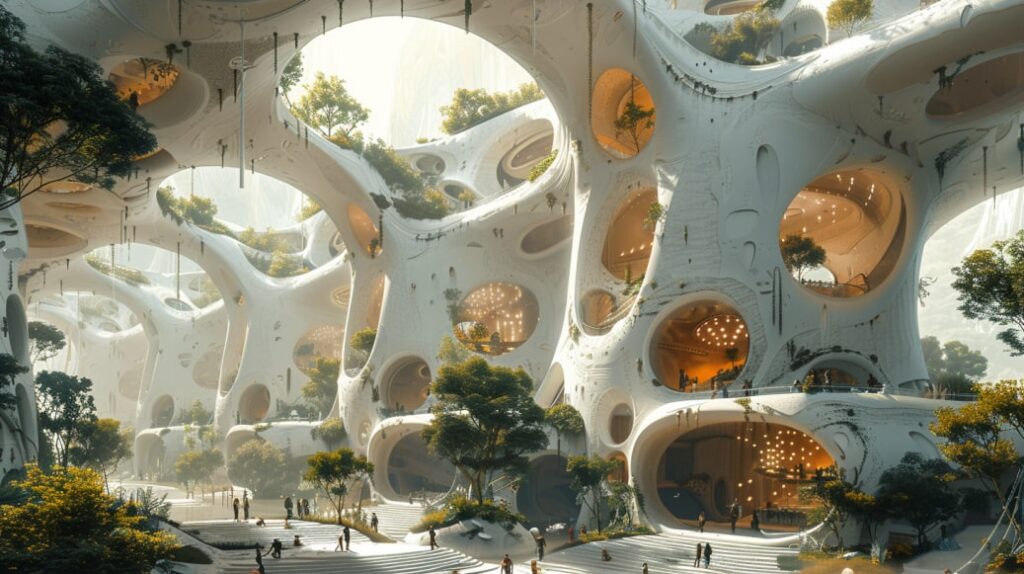
Eco-architecture represents more than technical improvements in building design. It embodies a fundamental shift in development philosophy—recognizing that genuine progress must work within ecological limits rather than assuming unlimited resources and waste absorption capacity. This paradigm acknowledges that developing countries need not and should not replicate the resource-intensive development patterns of industrialized nations.
The exciting reality is that developing countries can leapfrog obsolete technologies, just as many skipped landline telephones in favor of mobile networks. By adopting sustainable architecture from the outset, these nations avoid locking themselves into decades of inefficient buildings requiring expensive retrofits. They can build resilient, healthy, beautiful communities that enhance human wellbeing while preserving environmental integrity for future generations.
This sustainable development path requires rejecting the false choice between environmental protection and economic progress. Eco-architecture demonstrates that properly designed buildings serve both goals simultaneously—creating comfortable spaces, reducing operating costs, generating employment, preserving health, and minimizing environmental impact. The question is no longer whether developing countries can afford sustainable architecture, but whether they can afford to continue building unsustainably.
The revolution is already underway, visible in bamboo schools rising in rural Asia, earth-block housing spreading across Africa, and innovative sustainable towers transforming Latin American cities. These projects prove that another architecture is possible—one that respects both people and planet, honoring cultural heritage while embracing innovation, and building prosperity without compromising the future. As this revolution accelerates, eco-architecture moves from alternative to mainstream, reshaping the physical landscapes where billions will live in coming decades.
