
Anúncios
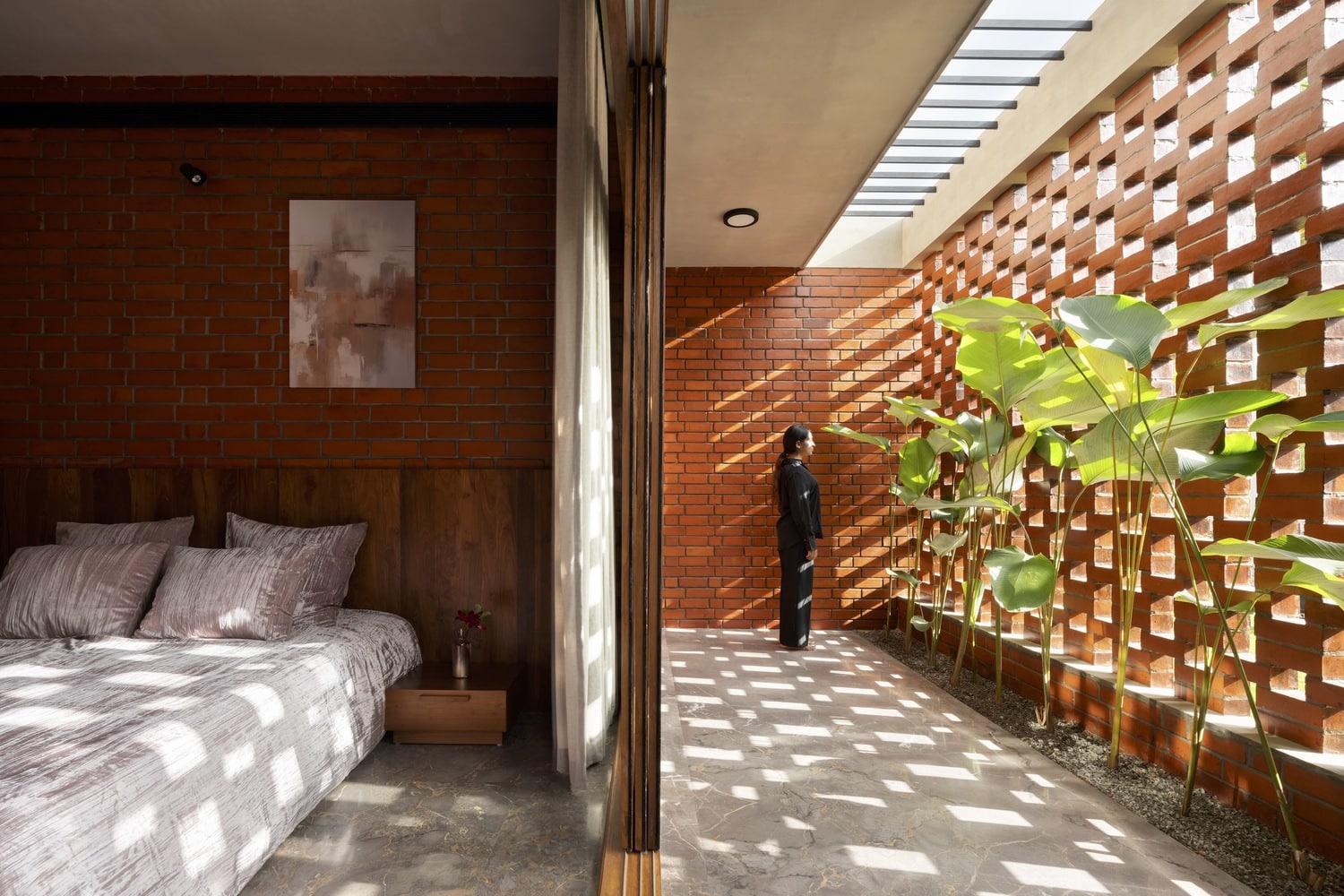
Natural light and ventilation transform ordinary spaces into vibrant, healthy environments that enhance our well-being, reduce energy costs, and create stunning architectural moments worth celebrating every single day.
🌅 Why Natural Light and Ventilation Matter More Than Ever
In an era where we spend approximately 90% of our time indoors, the quality of our interior environments has never been more critical. Natural light and proper ventilation aren’t just design luxuries—they’re fundamental elements that directly impact our physical health, mental well-being, and overall quality of life. Studies consistently show that exposure to natural daylight regulates our circadian rhythms, boosts vitamin D production, and significantly improves mood and productivity.
Anúncios
Beyond health benefits, mastering these elements offers substantial economic advantages. Buildings designed with optimal natural lighting can reduce electricity consumption by up to 75% during daylight hours, while strategic ventilation systems can cut cooling costs by 30-50%. As energy prices continue rising and environmental consciousness becomes paramount, architects and homeowners alike are rediscovering ancient wisdom about working with nature rather than against it.
The psychological impact cannot be overstated either. Spaces flooded with natural light feel more expansive, welcoming, and connected to the outside world. They create dynamic environments that change throughout the day, bringing life and variation to our surroundings. Proper ventilation ensures fresh air circulation, eliminating stuffiness and creating environments where people naturally feel more alert and comfortable.
Anúncios
Understanding the Science Behind Daylight Design ☀️
Effective daylighting requires understanding how light behaves in different conditions and seasons. The sun’s path varies dramatically throughout the year, with higher angles in summer and lower trajectories in winter. This fundamental principle should inform every decision about window placement, sizing, and orientation from the earliest design stages.
Light quality differs significantly based on direction. North-facing windows (in the Northern Hemisphere) provide consistent, soft illumination ideal for studios and workspaces where glare-free lighting is essential. South-facing openings receive the most intense sunlight, offering excellent opportunities for passive solar heating in winter but requiring careful shading strategies for summer months.
East-facing windows capture gentle morning light, perfect for bedrooms and breakfast areas, while west-facing openings deliver powerful afternoon sun that can create dramatic lighting effects but may cause overheating issues. Understanding these characteristics allows designers to match room functions with optimal light exposure throughout the day.
Measuring and Calculating Daylight Performance
Professional architects use several metrics to quantify daylight effectiveness. The Daylight Factor (DF) measures the ratio of interior illumination to available outdoor light, with recommendations typically ranging from 2% for residential spaces to 5% or higher for task-oriented environments. Daylight autonomy calculations predict the percentage of occupied hours when natural light alone can meet illumination requirements without artificial supplementation.
Modern design tools and software enable precise daylight simulations before construction begins. These analyses help identify potential problems like excessive glare, dark corners, or seasonal variations that could compromise functionality. While complex calculations may require professional expertise, homeowners can use basic principles to evaluate their existing spaces and plan improvements.
🪟 Strategic Window Placement and Design
Windows serve as the primary interface between interior and exterior environments, making their design and placement among the most critical decisions in any project. Size matters, but bigger isn’t always better. A well-designed 20-square-foot window positioned strategically can outperform a poorly placed 50-square-foot opening in terms of light distribution and energy efficiency.
The window-to-wall ratio significantly impacts both illumination and thermal performance. General recommendations suggest 15-25% glazing for most climates, though this varies based on orientation, climate zone, and specific room functions. Too much glazing creates heat gain and glare issues, while insufficient openings result in dark, uninviting spaces requiring constant artificial lighting.
Height placement dramatically affects light penetration depth. Windows positioned higher on walls allow daylight to travel further into interior spaces, while clerestory windows—placed near the ceiling—provide excellent illumination without compromising privacy or wall space. This technique works exceptionally well in bathrooms, hallways, and rooms adjacent to property boundaries.
Innovative Window Configurations
Corner windows create dramatic visual effects and enhance cross-ventilation by capturing breezes from multiple directions simultaneously. Floor-to-ceiling glazing blurs boundaries between interior and exterior, particularly effective for spaces with attractive views or access to gardens and patios. However, these designs require careful consideration of privacy, heat gain, and structural implications.
Transom windows above doors maintain visual separation between rooms while allowing light to flow freely through connected spaces. This traditional technique has experienced renewed popularity in modern open-plan designs where some definition between zones is desirable without sacrificing brightness or visual connectivity.
Ribbon windows—horizontal bands of glazing—distribute light evenly across walls while maintaining privacy and providing a distinctive architectural character. This approach works particularly well in urban contexts where views may be limited or privacy concerns outweigh the desire for large individual openings.
Harnessing Natural Ventilation Principles 🌬️
Natural ventilation relies on fundamental physics principles: warm air rises while cool air sinks, and pressure differences between spaces drive airflow. Cross-ventilation occurs when openings on opposite or adjacent walls allow breezes to flow through spaces, providing effective cooling and air exchange without mechanical systems.
The stack effect, or thermal buoyancy, creates vertical airflow as warm interior air rises and escapes through high-level openings, drawing cooler fresh air through lower inlets. This principle works remarkably well in multi-story designs and spaces with high ceilings, particularly when enhanced with architectural features like double-height spaces or clerestory windows.
Effective natural ventilation requires openings sized and positioned to maximize airflow potential. Inlet openings should generally be smaller than outlets to increase air velocity, and the distance between them significantly impacts effectiveness. Spaces deeper than 2.5 times their ceiling height typically require additional strategies to ensure adequate air circulation throughout.
Climate-Specific Ventilation Strategies
Hot, humid climates benefit from maximum openness and continuous airflow to combat moisture and heat. Traditional tropical architecture demonstrates these principles beautifully with elevated structures, large overhangs, and abundant operable windows designed to capture every available breeze.
Hot, dry regions require different approaches, often incorporating thermal mass to moderate temperature swings and using night ventilation to purge accumulated daytime heat. Small, protected openings and thick walls provide insulation during peak heat hours while strategic window operation during cooler periods maintains comfort.
Temperate climates with distinct seasons need flexible systems that adapt to changing conditions. Operable windows combined with thermal mass and appropriate shading devices allow buildings to optimize natural ventilation during moderate months while protecting against temperature extremes.
🏗️ Architectural Features That Amplify Natural Elements
Light shelves—horizontal surfaces positioned to reflect daylight deep into interiors—effectively distribute illumination while reducing glare near windows. Typically installed at eye level on south-facing facades, they bounce light off ceilings to create even, comfortable lighting throughout spaces up to 20-30 feet from the window wall.
Skylights and roof windows introduce vertical light that creates dramatic effects and illuminates otherwise dark interior zones. Modern versions incorporate sensors and automated controls that respond to weather conditions, opening for ventilation during appropriate conditions and closing automatically when rain is detected.
Atriums and courtyards bring natural light and ventilation to building cores that external windows cannot reach. These features create microclimates within structures, providing sheltered outdoor spaces while dramatically improving conditions in surrounding rooms. They work particularly well in urban settings where narrow lots limit conventional window access.
Innovative Shading Solutions
Fixed exterior overhangs block high summer sun while permitting lower winter rays to penetrate, providing passive solar control without moving parts or energy consumption. Properly calculated overhangs deliver year-round comfort in many climates, though their effectiveness depends on precise calculations based on latitude and orientation.
Adjustable external shading devices offer maximum flexibility, adapting to changing sun angles, weather conditions, and occupant preferences. Options include awnings, shutters, pergolas, and automated louver systems that respond to sensors monitoring temperature, light levels, and sun position throughout the day.
Vegetation provides dynamic, living shading solutions that change with seasons. Deciduous trees planted strategically on south and west sides deliver summer shade while allowing winter sun after leaves drop. Vines on trellises create similar effects closer to buildings, with the added benefits of evaporative cooling and attractive aesthetics.
Materials and Technologies for Enhanced Performance 💡
Glass technology has advanced dramatically, with modern glazing systems offering performance impossible just decades ago. Low-emissivity coatings reduce heat transfer while maintaining transparency, selectively reflecting infrared wavelengths to keep heat out in summer or retain warmth in winter depending on coating specifications.
Triple-glazed windows with gas fills between panes provide insulation values approaching solid walls, making large glass expanses practical even in extreme climates. These high-performance assemblies maintain interior comfort while minimizing condensation issues and reducing sound transmission from exterior noise sources.
Electrochromic smart glass changes tint in response to electrical signals, allowing dynamic control over light transmission and solar heat gain without physical shading devices. While currently expensive, prices continue declining as technology matures and production volumes increase, making this option increasingly viable for residential applications.
Reflective and Translucent Materials
Light-colored interior surfaces maximize daylight effectiveness by reflecting and distributing illumination throughout spaces. White or light-toned ceilings act as giant reflectors, bouncing light deep into rooms and reducing contrast between window areas and interior zones. Floors and walls contribute similarly, with reflectance values directly impacting overall lighting quality.
Translucent materials like frosted glass, polycarbonate panels, and specialized fabrics admit substantial light while providing privacy and glare control. These applications work beautifully for bathroom windows, interior partitions, and situations where direct views are less important than overall brightness and privacy maintenance.
Reflective tubes and light pipes conduct daylight from roofs into interior spaces through highly reflective cylindrical passages, bringing natural illumination to bathrooms, closets, and hallways that cannot accommodate conventional windows. Modern versions incorporate LED supplements that activate automatically when daylight proves insufficient, ensuring consistent illumination regardless of conditions.
🔧 Practical Implementation in Different Space Types
Living areas benefit from multi-directional lighting that creates dynamic, changeable environments throughout the day. Combining south-facing windows for primary illumination with east or west openings for morning or evening highlights creates depth and visual interest while ensuring adequate light at all hours.
Kitchens require bright, shadow-free illumination for food preparation tasks combined with pleasant ambient lighting for dining and socializing. North-facing windows provide excellent task lighting, while skylights above islands or peninsulas deliver overhead illumination without the glare issues that can affect south-facing openings.
Bedrooms perform best with gentle, controllable natural light that supports healthy sleep-wake cycles. East-facing windows align with natural circadian rhythms, gradually brightening as morning approaches, while effective shading systems allow complete darkening when needed for sleep or afternoon rest periods.
Bathrooms and Utility Spaces
Bathrooms present unique challenges balancing privacy requirements with desires for natural light and ventilation. High clerestory windows, frosted glazing, and carefully positioned standard windows maintain privacy while admitting daylight and enabling natural ventilation to control moisture and odors without mechanical assistance.
Utility rooms, laundries, and storage areas often receive insufficient consideration during design phases, yet proper lighting and ventilation significantly improve functionality and longevity. Even modest windows in these spaces reduce mold risks, enable clothes drying, and make tasks more pleasant while reducing energy consumption.
Retrofitting Existing Structures for Better Performance 🔨
Existing buildings present both challenges and opportunities for improving natural light and ventilation. While structural limitations may constrain options compared to new construction, numerous strategies can dramatically enhance performance without complete renovations or prohibitive expenses.
Adding skylights or roof windows represents one of the most impactful interventions, introducing abundant top-lighting to previously dark spaces. Modern prefabricated units simplify installation, with many designs specifically engineered for retrofit applications. Proper flashing and installation prevent leaks, the primary concern homeowners cite regarding skylight projects.
Enlarging existing windows or adding new openings requires structural evaluation but can transform room character and functionality. Load-bearing considerations necessitate professional assessment, but non-structural walls offer relatively straightforward opportunities for improvement. Building codes and permits apply, but the enhanced livability typically justifies the investment and administrative requirements.
Interior Modifications for Better Distribution
Removing or reducing partial walls improves light penetration into interior zones without exterior modifications. Replacing solid doors with glazed versions or adding transom windows above doorways maintains separation while allowing light flow. Interior windows between rooms create visual connections and light sharing, particularly effective in hallways and interior bathrooms.
Repainting with lighter colors immediately improves brightness by enhancing reflection and distribution of available daylight. This simple, inexpensive intervention often delivers surprising improvements, particularly in rooms where dark walls or ceilings have been absorbing rather than reflecting incoming light.
Strategic mirror placement amplifies available light while creating illusions of greater space and additional windows. Large mirrors opposite or adjacent to windows effectively double perceived natural light while adding architectural interest and visual depth to previously constrained spaces.
⚠️ Common Mistakes and How to Avoid Them
Overlooking orientation represents the single most common error in residential design. Windows sized and positioned without considering solar angles, prevailing breezes, and daily sun paths create spaces requiring constant correction through artificial lighting, mechanical cooling, and window coverings. Taking time during design phases to understand site-specific conditions prevents these permanent, costly mistakes.
Excessive glazing seems appealing initially but often creates uncomfortable environments with temperature extremes, glare issues, and privacy concerns. Balance and strategic placement outperform sheer glass quantity in virtually every scenario. Quality trumps quantity consistently when evaluating window design decisions.
Neglecting shading provisions during design forces occupants to improvise solutions later, typically with interior curtains or blinds that block views along with unwanted sun. Exterior shading proves far more effective, preventing heat gain before solar radiation enters buildings, but requires integration during design rather than afterthought addition.
Maintenance and Long-term Considerations
Operable windows require regular maintenance to preserve functionality and weather-resistance. Hardware lubrication, seal inspection, and track cleaning ensure smooth operation and prevent air leakage that compromises both comfort and energy efficiency. Establishing maintenance routines prevents minor issues from becoming major problems requiring expensive repairs or replacements.
Glass cleaning significantly impacts natural light transmission, with dirty windows blocking up to 40% of available daylight. Regular cleaning inside and out maintains designed performance levels, particularly important for installations in dusty, coastal, or urban environments where films accumulate rapidly on exterior surfaces.
🌟 Creating Your Personal Daylighting Strategy
Successful natural light and ventilation design begins with careful observation and assessment of existing conditions or potential sites. Spend time noting sun angles at different times and seasons, identifying prevailing wind directions, and understanding microclimatic conditions created by surrounding buildings, vegetation, and topography. This foundational knowledge informs every subsequent decision.
Develop clear priorities balancing competing factors like views, privacy, energy efficiency, and aesthetics. Not every room requires maximum natural light, and some spaces benefit from more modest openings. Thoughtful allocation of glazing budgets and design attention ensures optimal results aligned with actual needs rather than generic formulas applied uniformly throughout projects.
Consider flexibility and adaptation in design solutions. Operable shading devices, adjustable windows, and movable partitions allow spaces to respond to changing conditions, preferences, and uses over time. Rigid solutions optimized for single scenarios often prove problematic as circumstances evolve, while adaptable systems maintain performance across varied situations.
Professional consultation provides valuable expertise for complex projects or challenging sites. Architects, lighting designers, and energy consultants bring specialized knowledge and analytical tools that complement homeowner vision and understanding. The modest investment in professional services typically delivers returns many times the cost through improved performance and avoided mistakes.
Embracing Light and Air in Modern Living 🏡
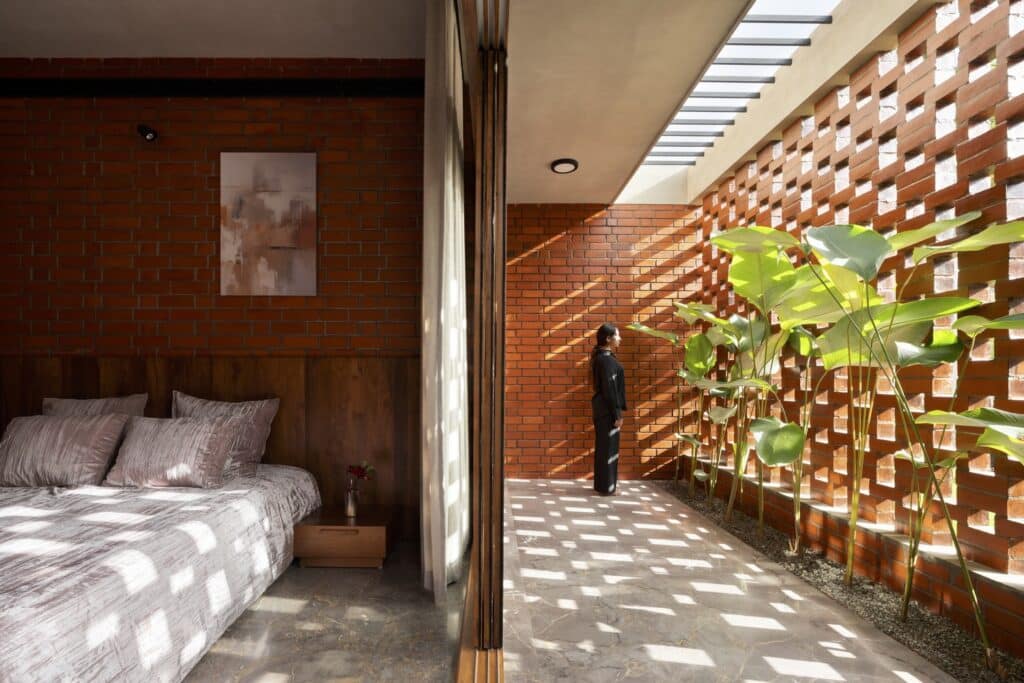
Mastering natural light and ventilation represents fundamental skills for creating healthy, sustainable, beautiful living environments. These elements connect us with natural rhythms, reduce environmental impacts, and enhance daily experiences in profound ways that purely mechanical solutions cannot replicate. The initial investment in thoughtful design pays continuous dividends through reduced operating costs, improved well-being, and timeless aesthetic appeal.
Whether designing new construction, renovating existing spaces, or simply optimizing current conditions, the principles remain consistent: understand your site, respect orientation and climate, balance competing factors thoughtfully, and integrate solutions holistically rather than treating them as isolated technical problems. Natural light and ventilation work synergistically with other design elements to create cohesive, high-performing environments.
Start wherever you are with whatever resources you have available. Even modest improvements yield noticeable benefits, and incremental changes accumulate into substantial transformations over time. Open your blinds, clean your windows, observe how light moves through your spaces, and begin imagining possibilities. The sun shines freely for everyone—we need only design intelligently to welcome its gifts into our homes and lives.
