
Anúncios
The shift toward a circular economy represents one of the most transformative economic transitions of our time, requiring robust policy frameworks to unlock sustainable success across industries and societies.
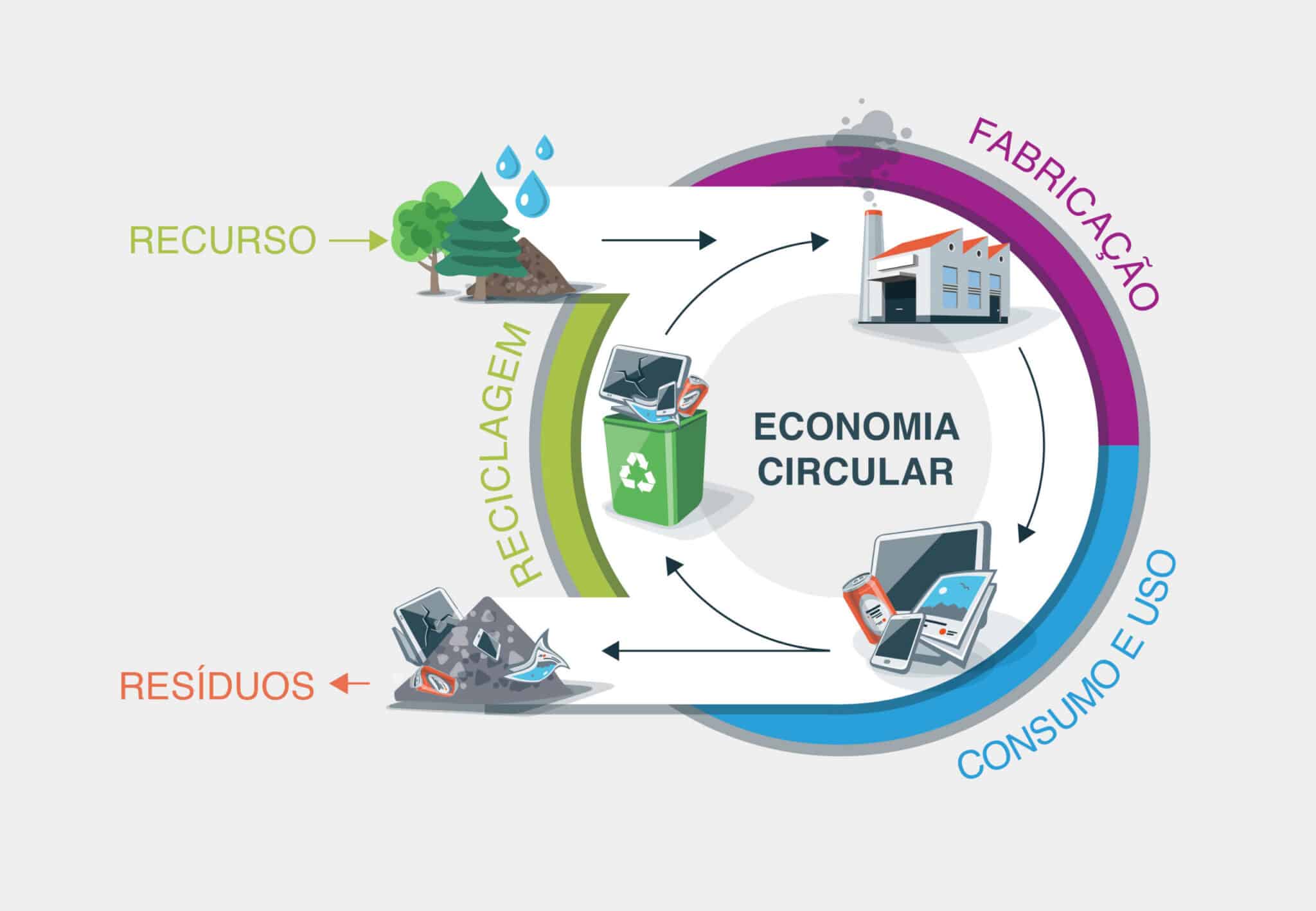
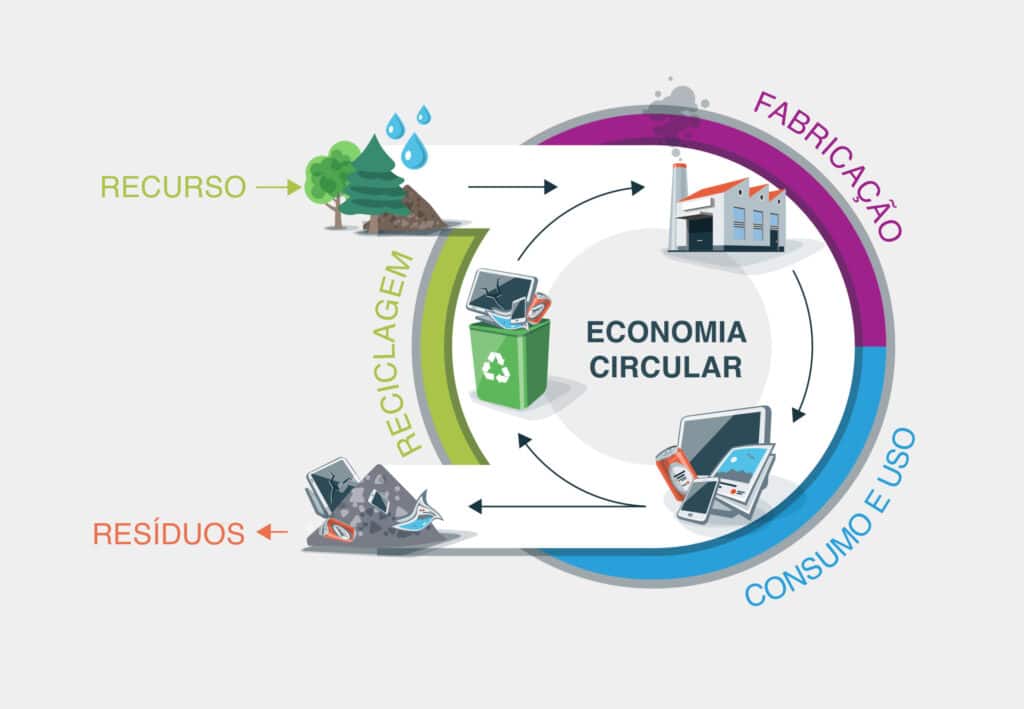
As global resources become increasingly scarce and environmental pressures mount, traditional linear economic models—characterized by “take, make, dispose” patterns—are proving unsustainable. The circular economy offers a regenerative alternative, where products, materials, and resources are kept in use for as long as possible, waste is eliminated, and natural systems are regenerated. However, this transition cannot happen through market forces alone; it requires comprehensive policy frameworks that create the right incentives, remove barriers, and guide stakeholders toward circularity.
Anúncios
🔄 Understanding the Circular Economy Paradigm
The circular economy fundamentally reimagines how we design, produce, consume, and manage resources. Unlike the linear model that extracts virgin materials, manufactures products, and ultimately disposes of them, circular systems prioritize longevity, reuse, repair, refurbishment, remanufacturing, and recycling. This approach minimizes resource extraction, reduces waste generation, and creates new economic opportunities while addressing environmental challenges like climate change, biodiversity loss, and pollution.
Circular economy principles extend beyond waste management to encompass entire value chains. They influence product design decisions, business model innovation, consumer behavior, and infrastructure development. Companies adopting circular strategies are discovering that sustainability and profitability can align when supported by appropriate policy environments.
Anúncios
The Economic Case for Circularity
Research indicates that transitioning to a circular economy could generate trillions of dollars in economic benefits globally. These gains stem from material cost savings, new business opportunities in repair and refurbishment sectors, job creation in reverse logistics and remanufacturing, and reduced environmental externalities. The Ellen MacArthur Foundation estimates that Europe alone could realize net benefits of €1.8 trillion by 2030 through circular economy adoption.
Beyond direct economic returns, circular approaches enhance supply chain resilience by reducing dependence on virgin material imports and volatile commodity markets. This became particularly evident during recent global supply chain disruptions, where companies with circular business models demonstrated greater adaptability and continuity.
Policy Levers Driving Circular Transformation 🎯
Effective policy frameworks for circular economy transitions employ multiple complementary instruments that work across different levels of governance and economic sectors. These policies create enabling conditions, remove regulatory obstacles, and align incentives toward circular outcomes.
Regulatory Standards and Product Requirements
Governments are increasingly establishing mandatory requirements for product design, durability, repairability, and recyclability. The European Union’s Ecodesign Directive sets minimum environmental standards for energy-related products, while France has implemented a repairability index requiring manufacturers to rate and display repair scores for electronic goods and appliances.
Extended Producer Responsibility (EPR) schemes shift end-of-life management costs and responsibilities to producers, incentivizing them to design products that are easier to collect, disassemble, and recycle. These policies have proven particularly effective for electronics, packaging, batteries, and textiles, creating financial mechanisms that support collection and recycling infrastructure.
Economic Instruments and Fiscal Policies
Tax policies and fiscal instruments can significantly influence material choices and business practices. Several countries have introduced landfill and incineration taxes that make waste disposal more expensive, thereby encouraging waste prevention and recycling. Tax reductions or exemptions for repair services, remanufactured products, and secondary raw materials help level the playing field with virgin material-based alternatives.
Green public procurement policies leverage government purchasing power to create demand for circular products and services. When public institutions prioritize circular criteria in their procurement decisions, they help establish markets for innovative circular solutions and demonstrate commitment to sustainability principles.
Navigating Regulatory Complexity Across Jurisdictions 🗺️
One significant challenge in circular economy transitions is the variation in policy approaches across different countries, regions, and municipalities. Businesses operating internationally must navigate diverse regulatory landscapes, each with distinct requirements, timelines, and enforcement mechanisms.
The European Union has emerged as a global leader in circular economy policy through its Circular Economy Action Plan, which coordinates regulations across member states while allowing flexibility for national implementation. This approach creates harmonized standards for the single market while permitting countries to adopt more ambitious measures.
Aligning International Standards
International cooperation on circular economy standards reduces compliance complexity and facilitates cross-border material flows. Organizations like the International Organization for Standardization (ISO) are developing standards for circular economy principles, terminology, and measurement frameworks. These efforts help create common language and metrics that enable businesses to implement circular strategies consistently across different markets.
Trade policies also play a crucial role, as regulations governing waste shipments, secondary material quality standards, and product requirements affect international circular material flows. Progressive policies distinguish between legitimate recycling trade and harmful waste dumping, supporting responsible circular supply chains.
Industry-Specific Policy Approaches 🏭
Different sectors face unique challenges and opportunities in circular transitions, requiring tailored policy frameworks that address industry-specific characteristics, material flows, and value chain structures.
Electronics and Electrical Equipment
The electronics sector generates rapidly growing waste streams while containing valuable and sometimes hazardous materials. Policies addressing this sector typically combine design requirements, collection targets, recycling standards, and take-back obligations. The EU’s Waste Electrical and Electronic Equipment (WEEE) Directive establishes collection and recycling targets while the forthcoming “right to repair” regulations will require manufacturers to make spare parts available and products easier to repair.
Textiles and Fashion
Textile waste has emerged as a major environmental concern, with fast fashion driving unsustainable consumption patterns. Policy responses include EPR schemes specifically for textiles, restrictions on destroying unsold goods, requirements for using recycled fibers, and measures to combat greenwashing. France’s anti-waste law prohibits destroying unsold non-food products, pushing fashion brands toward donation, recycling, or discount sales rather than disposal.
Plastics and Packaging
Single-use plastics have attracted significant policy attention due to marine pollution and limited recycling rates. Bans or restrictions on specific plastic items, mandatory recycled content requirements, deposit-return schemes for beverage containers, and plastic taxes are among the instruments deployed. These policies aim to reduce plastic production, improve collection and recycling, and accelerate development of alternative materials.
Creating Enabling Infrastructure and Systems 🏗️
Policy frameworks must address the infrastructure gaps that prevent circular economy scaling. Collection systems, sorting facilities, reprocessing plants, and logistics networks require substantial investment and coordination that markets alone may not provide.
Municipal waste management systems are evolving from disposal-focused to resource recovery-oriented operations. Policies supporting separate collection of multiple material streams, investment in modern sorting technologies, and development of local reprocessing capacity are essential for capturing material value and reducing contamination.
Digital Infrastructure for Circularity
Digital technologies enable circular economy implementation through improved material tracking, product lifecycle information sharing, and marketplace platforms connecting buyers and sellers of secondary materials. Policies supporting digital product passports, which contain information about materials, components, and disassembly instructions, facilitate repair, refurbishment, and recycling.
Blockchain and Internet of Things technologies can enhance transparency in circular supply chains, verify recycled content claims, and enable new business models like product-as-a-service. Policy frameworks that establish data standards, interoperability requirements, and privacy protections help realize these digital enablers while managing risks.
Engaging Stakeholders Throughout Value Chains 🤝
Successful circular economy transitions require coordination among diverse stakeholders including manufacturers, retailers, consumers, waste management operators, recyclers, and policymakers. Policy frameworks that facilitate dialogue, collaboration, and shared responsibility are more effective than those imposing requirements without stakeholder input.
Multi-stakeholder platforms bring together actors across value chains to identify barriers, develop solutions, and coordinate implementation. The Netherlands’ circular economy agreements involve government, businesses, and civil society organizations committing to sector-specific circular targets and actions.
Consumer Engagement and Behavior Change
Consumer choices significantly influence circular economy success, yet sustainable consumption remains challenging due to convenience, price differences, and information gaps. Policies addressing consumer behavior include awareness campaigns, clear labeling requirements, incentives for circular choices like repair or product sharing, and restrictions on misleading environmental claims.
Education initiatives at all levels build circular economy literacy, helping consumers understand their role and make informed decisions. When combined with improved access to repair services, second-hand markets, and sharing platforms, these measures can shift consumption patterns toward circularity.
Measuring Progress and Ensuring Accountability 📊
Effective policy frameworks require robust monitoring and evaluation systems to track progress, identify gaps, and enable adaptive management. Circular economy measurement presents challenges due to the complexity of material flows, diverse indicators across different circularity aspects, and data availability limitations.
The European Commission has developed a circular economy monitoring framework with indicators covering production and consumption, waste management, secondary raw materials, competitiveness and innovation. National governments are adapting these frameworks to their contexts while developing additional metrics aligned with specific policy priorities.
Key Performance Indicators for Circularity
- Material footprint and resource productivity metrics measuring how efficiently materials generate economic value
- Circularity rates indicating the proportion of materials circulating back into the economy rather than being extracted and disposed
- Waste generation rates and recycling percentages across different material categories
- Product lifespan indicators tracking durability, repair rates, and product longevity
- Secondary raw material usage rates showing market development for recycled materials
- Green jobs and economic value generated through circular activities
Standardized measurement approaches enable comparison across jurisdictions and time periods, helping identify best practices and policy effectiveness. Transparency in reporting builds accountability and maintains pressure for continuous improvement.
Addressing Implementation Challenges and Trade-offs ⚖️
While circular economy benefits are substantial, implementation involves navigating real challenges and sometimes difficult trade-offs. Policy frameworks must acknowledge these complexities and provide mechanisms for addressing them constructively.
Economic transition costs can be significant, particularly for industries built around linear models. Policies supporting workforce retraining, business adaptation assistance, and just transition principles help ensure that circular economy benefits are distributed fairly while managing disruption to existing employment and communities.
Balancing Environmental Goals
Circular economy strategies sometimes involve trade-offs between different environmental objectives. For example, lightweight plastic packaging may reduce transport emissions but create waste management challenges, while some recycling processes require energy-intensive operations. Policy frameworks need to adopt lifecycle perspectives that consider overall environmental impacts rather than optimizing single indicators.
Geographic considerations also matter, as optimal circular solutions vary based on local conditions, existing infrastructure, population density, and economic contexts. Policies allowing flexibility and localized solutions while maintaining overall coherence produce better outcomes than one-size-fits-all approaches.
Accelerating Innovation Through Policy 💡
Innovation in materials, product design, business models, and technologies is essential for circular economy scaling. Policy frameworks can accelerate innovation through research funding, regulatory sandboxes allowing experimentation with novel approaches, innovation procurement that creates early markets for circular solutions, and intellectual property frameworks that balance protection with knowledge sharing.
Support for small and medium enterprises is particularly important, as these businesses often drive circular innovation but face resource constraints in navigating complex regulations and scaling solutions. Simplified compliance procedures, technical assistance, and access to funding help SMEs participate in circular transitions.
Fostering Circular Business Model Innovation
Circular business models like product-as-a-service, sharing platforms, and collaborative consumption require different regulatory treatment than traditional ownership-based models. Policies addressing liability, warranty, insurance, and taxation for these models remove barriers to their adoption and scaling.
Platform economy regulations must balance enabling innovation with ensuring fair competition, consumer protection, and environmental standards. Getting this balance right supports business model innovation while preventing race-to-the-bottom dynamics.
Looking Ahead: Policy Evolution for Deeper Circularity 🌱
As circular economy implementation advances, policy frameworks must evolve from enabling early adoption to driving systemic transformation. First-generation policies focused on waste management and recycling established foundations, but achieving truly circular systems requires more comprehensive interventions addressing upstream design, production processes, consumption patterns, and economic structures.
Emerging policy directions include mandatory circular design principles incorporated into all product categories, absolute resource consumption caps, circular economy considerations integrated into all policymaking areas, and strengthened international cooperation on global material flows and standards.
Climate policy integration presents significant opportunities, as circular strategies deliver substantial emissions reductions through material efficiency, extended product lifetimes, and reduced virgin material extraction. Aligning circular economy and climate frameworks creates synergies and avoids potential policy conflicts.
Building Long-term Resilience
The circular economy transition represents not just environmental necessity but strategic opportunity to build resilient, competitive economies less vulnerable to resource scarcity, supply disruptions, and environmental crises. Policy frameworks supporting this transition are investments in long-term prosperity, environmental health, and social wellbeing.
Success requires sustained political commitment across electoral cycles, adequate funding for infrastructure and innovation, continuous stakeholder engagement, and willingness to adapt policies based on implementation experience. Countries and regions embracing comprehensive circular economy frameworks position themselves as leaders in the sustainable economy of the future.
From Policy to Practice: Making Circularity Work 🚀
Translating circular economy policies into tangible results requires attention to implementation details, capacity building, and ongoing support for actors throughout value chains. Governments must move beyond policy adoption to active implementation support, monitoring, and enforcement.
Capacity building initiatives help businesses understand regulatory requirements, identify circular opportunities, and access technical expertise. Industry associations, research institutions, and circular economy hubs play crucial roles in translating policy frameworks into practical guidance and sector-specific roadmaps.
Enforcement mechanisms ensure compliance while providing grace periods and support for organizations working toward requirements. Graduated approaches that start with voluntary commitments before moving to mandatory requirements allow learning and adaptation while maintaining policy credibility.
The circular economy transition represents a fundamental reimagining of economic systems, with policy frameworks serving as essential guides and enablers. By combining regulatory requirements, economic incentives, infrastructure investment, stakeholder engagement, and innovation support, comprehensive policy approaches create conditions for sustainable success. As implementation deepens and frameworks evolve, the vision of truly circular, regenerative economies moves from aspiration toward reality, delivering environmental restoration, economic opportunity, and enhanced resilience for future generations.
