
Anúncios
Urban composting is no longer a distant dream but a rapidly evolving reality that promises to transform how cities manage organic waste and nurture sustainable communities.
🌱 The Urban Waste Crisis Demanding Innovation
Cities across the globe are drowning in organic waste. Each year, metropolitan areas generate millions of tons of food scraps, yard trimmings, and biodegradable materials that typically end up in landfills. This not only wastes valuable resources but also contributes significantly to greenhouse gas emissions, particularly methane, which is 25 times more potent than carbon dioxide in trapping atmospheric heat.
Anúncios
The current waste management infrastructure in most urban centers was designed for a different era, one that didn’t fully understand the environmental consequences of organic waste disposal. As cities continue to expand and populations grow denser, the pressure on these outdated systems intensifies. Forward-thinking municipalities and innovative companies are now racing to develop composting technologies that can operate efficiently within the spatial and logistical constraints of urban environments.
The transformation isn’t just about waste reduction; it’s about reimagining the entire urban ecosystem. Modern composting technologies are creating closed-loop systems where yesterday’s dinner scraps become tomorrow’s rooftop garden soil, where apartment buildings function as micro-recycling centers, and where community composting hubs strengthen neighborhood bonds while healing the planet.
Anúncios
Smart Composting Systems Reshaping Apartment Living
Traditional composting methods required outdoor space, time, and tolerance for odors—luxuries most urban apartment dwellers simply don’t have. Enter the new generation of smart composting appliances designed specifically for compact living spaces. These sleek, kitchen-counter devices use advanced technology to accelerate decomposition while eliminating the unpleasant smells and mess associated with conventional composting.
Electric composters have emerged as game-changers in this space. These compact units use heat, agitation, and sometimes microbial additives to break down food waste in as little as three to twenty-four hours. The resulting product is a dry, odorless material that can be used directly as fertilizer or further processed. Some models can handle virtually any organic material, including meat, dairy, and bones—items traditionally prohibited in backyard compost bins.
The technology behind these devices continues to evolve rapidly. Newer models incorporate sensors that monitor moisture levels, temperature, and decomposition progress, automatically adjusting settings for optimal results. Many connect to smartphone apps, allowing users to track their waste reduction impact, receive maintenance reminders, and even share composting tips with community members.
Aerobic vs. Anaerobic Urban Composting Technologies
Understanding the science behind different composting methods helps explain why certain technologies work better in urban settings. Aerobic composting relies on oxygen-loving microorganisms that break down organic matter quickly while producing minimal odor. This method generates heat as a byproduct, which further accelerates decomposition and kills pathogens and weed seeds.
Anaerobic composting, conversely, occurs without oxygen and produces biogas (primarily methane) as a byproduct. While slower and potentially odorous in traditional applications, controlled anaerobic digestion systems are increasingly being deployed at municipal scales in urban areas. These sophisticated facilities capture the methane for energy production, turning a greenhouse gas into a valuable resource.
The choice between these approaches depends on scale, available space, and intended outcomes. Home users typically benefit most from aerobic systems, while cities investing in centralized facilities often opt for anaerobic digestion to maximize energy recovery alongside compost production.
🏙️ Municipal-Scale Innovations Transforming City Infrastructure
While household composting solutions address individual needs, truly revolutionizing urban living requires city-wide infrastructure changes. Progressive municipalities are implementing comprehensive organic waste collection programs paired with state-of-the-art processing facilities that can handle thousands of tons of material annually.
San Francisco’s mandatory composting program, launched in 2009, has become a global model for urban waste management. The city diverts approximately 80% of its waste from landfills through composting and recycling programs. Their success stems from combining convenient curbside collection with advanced processing facilities and strong public education campaigns.
Modern municipal composting facilities bear little resemblance to the smelly, open-air operations of the past. Today’s facilities are enclosed, climate-controlled environments where sophisticated machinery sorts, shreds, and processes organic waste with remarkable efficiency. Advanced odor control systems, including biofilters and negative air pressure designs, ensure these facilities can operate in or near residential areas without causing nuisance.
The Rise of Decentralized Composting Networks
Not all cities are adopting centralized approaches. A growing movement favors distributed composting networks that place smaller processing units throughout neighborhoods. These micro-facilities reduce transportation costs and emissions while fostering community engagement around waste reduction.
Community composting hubs typically serve a radius of several blocks, accepting drop-offs from residents and local businesses. Many operate using modular systems that can scale up or down based on demand. These neighborhood centers often incorporate educational spaces, demonstration gardens, and volunteer opportunities, transforming waste management into community building.
Technology companies are supporting this decentralized model with software platforms that coordinate drop-off schedules, track contributions, and even gamify participation. Some systems issue credits that residents can redeem for finished compost or other community benefits, creating circular economy incentives at the neighborhood level.
Biotechnology Breakthroughs Accelerating Decomposition
The intersection of biology and technology is yielding remarkable innovations in composting efficiency. Researchers have identified and cultivated specific microbial strains that decompose organic matter faster and more completely than naturally occurring populations. These enhanced microbe cocktails can be added to composting systems to dramatically reduce processing times.
Enzyme-based additives represent another frontier in composting technology. These biological catalysts target specific compounds in organic waste, breaking down tough materials like cellulose and lignin that normally take months to decompose. When combined with optimized environmental conditions, enzyme additives can reduce composting time from months to weeks or even days.
Genetic engineering may soon play a role as well. Scientists are exploring the potential of engineered microorganisms designed to thrive in urban composting conditions while producing fewer greenhouse gases and breaking down contaminants that occasionally enter organic waste streams. While regulatory and public acceptance hurdles remain, the technology holds significant promise for future applications.
🔬 IoT and AI Making Composting Smarter
The Internet of Things (IoT) and artificial intelligence are transforming composting from an art into a precision science. Smart sensors embedded in composting systems continuously monitor dozens of parameters including temperature, moisture, pH, oxygen levels, and even specific gas emissions. This data flows to cloud-based platforms where AI algorithms analyze patterns and optimize processes in real-time.
Predictive maintenance represents one valuable application of this technology. By detecting subtle changes in sensor data, AI systems can identify potential problems before they cause system failures. This prevents costly downtime and ensures consistent operation, particularly important for municipal facilities processing large volumes of material.
Machine learning algorithms are also optimizing the composting process itself. By analyzing thousands of composting cycles, these systems learn which parameter combinations produce the best results for different waste compositions. They can automatically adjust aeration, temperature, and moisture levels to maximize decomposition speed while minimizing energy consumption and odor production.
Blockchain Creating Transparent Waste Tracking Systems
Several innovative programs are using blockchain technology to create verifiable records of organic waste streams from source to final compost product. This transparency helps businesses document their sustainability efforts, enables carbon credit programs based on actual waste diversion, and builds public trust in organic waste management systems.
These blockchain-based systems can track individual contributions, automatically rewarding participants and creating detailed impact reports. For commercial operations, such documentation can satisfy regulatory requirements and support sustainability certifications increasingly demanded by consumers and investors.
Vertical Composting Solutions for Dense Urban Environments
Space constraints in dense cities require thinking vertically. Engineers have developed tower composting systems that stack processing chambers to maximize capacity while minimizing footprint. These vertical systems can be installed in building basements, on rooftops, or in repurposed urban spaces that wouldn’t accommodate traditional horizontal composting operations.
Some vertical designs use gravity to move material through progressive stages of decomposition, with fresh waste entering at the top and finished compost emerging at the bottom. Others incorporate mechanical elevators or conveyors that allow active management of material as it processes. Many vertical systems integrate seamlessly with building automation systems, becoming part of the smart building ecosystem.
Rooftop composting installations serve double duty by providing insulation that reduces building heating and cooling costs. The finished compost often supports rooftop gardens that further improve building energy efficiency, manage stormwater runoff, and provide green space in otherwise concrete-dominated environments.
🌍 Converting Compost Into Urban Agriculture Resources
The ultimate value of composting technology lies not just in waste diversion but in the quality of the end product. Urban agriculture is booming as cities recognize the benefits of local food production for food security, community health, and environmental sustainability. High-quality compost is the foundation of productive urban farms, community gardens, and green infrastructure projects.
Advanced composting technologies produce more consistent, pathogen-free compost than traditional methods. Temperature-controlled processes ensure that harmful bacteria are eliminated while beneficial microorganisms thrive. Some systems produce specialized composts tailored to specific applications, whether growing vegetables, establishing green roofs, or remediating contaminated urban soils.
The economic value of urban compost is increasingly recognized. Cities that once paid to landfill organic waste now sell finished compost products, creating revenue streams that help fund waste management programs. Some municipalities offer free or discounted compost to residents and community gardens, closing the loop and demonstrating tangible benefits of participation in organics collection programs.
Regulatory Frameworks Supporting Urban Composting Revolution
Technology alone cannot revolutionize urban composting; supportive policies and regulations are equally essential. Progressive cities are implementing requirements that drive adoption of composting technologies while removing barriers that historically hindered implementation.
Mandatory organics separation laws, now in effect in dozens of cities worldwide, require residents and businesses to separate compostable materials from regular trash. These regulations create the feedstock volume necessary to justify investment in advanced processing infrastructure. Paired with convenient collection services, such mandates have proven remarkably effective at changing behavior and increasing diversion rates.
Building codes are evolving to accommodate and even encourage composting infrastructure. Some jurisdictions now require or incentivize composting facilities in new large residential and commercial developments. Zoning regulations are being updated to permit composting operations in areas where they were previously prohibited, recognizing that modern technologies eliminate the nuisance factors that justified earlier restrictions.
Financial Incentives Accelerating Adoption
Economic incentives play a crucial role in driving technology adoption. Many cities offer rebates or tax credits for purchasing home composting equipment, including electric composters. Grant programs help community organizations establish neighborhood composting hubs. Low-interest loans support businesses investing in on-site organic waste processing systems.
Progressive waste collection pricing structures also influence behavior. Pay-as-you-throw programs that charge by volume of trash collected while offering free or discounted organics collection create direct financial incentives for composting. Commercial waste hauling contracts increasingly price organic waste collection below landfill disposal, reflecting the lower processing costs and revenue potential of compostable materials.
Overcoming Challenges and Barriers to Widespread Adoption
Despite tremendous progress, significant challenges remain in revolutionizing urban composting. Contamination of organic waste streams with non-compostable materials remains a persistent problem. Plastic bags, even those labeled “compostable,” often don’t break down adequately in municipal composting facilities. Food packaging, utensils, and other items frequently end up in organics bins, requiring expensive sorting or contaminating finished compost.
Public education continues to be a critical need. Many urban residents lack basic understanding of what can and cannot be composted, how composting benefits the environment, and what happens to their separated organic waste. Effective programs invest heavily in multilingual, culturally appropriate outreach that meets communities where they are.
The economics of urban composting remain challenging in many markets. While costs are declining as technologies mature and scale increases, initial capital investments can be substantial. Long-term operational savings and environmental benefits often don’t align with short-term budget constraints faced by municipal governments and private developers.
✨ The Vision: Waste-Neutral Cities by 2040
Forward-thinking urban planners and environmental advocates envision cities that generate zero waste by 2040, with composting technologies playing a central role. In this future, every building has integrated organic waste processing, whether individual apartment units with smart composters or shared facilities in building basements. Municipal collection systems seamlessly coordinate with decentralized neighborhood composting hubs, optimizing logistics through AI-powered routing.
The finished compost from these diverse sources supports extensive urban agriculture networks, green infrastructure that manages stormwater and reduces urban heat islands, and habitat restoration projects that bring biodiversity back to cities. Circular economy principles fully integrate composting with food production, consumption, and waste recovery in closed loops that eliminate the concept of waste entirely.
This vision is not fantasy but an extrapolation of trends already underway. Cities like Seoul, Copenhagen, and Milan are making dramatic progress toward zero waste goals, with innovative composting programs as cornerstone strategies. Technology continues advancing rapidly, costs are declining, and public awareness of environmental imperatives grows stronger each year.
Taking Action: How Individuals Can Participate Today
Revolutionizing urban living through composting technologies isn’t just a job for municipal governments and technology companies. Individual actions collectively create the demand and political will that drive systemic change. Urban residents can start by assessing their own organic waste generation and exploring available options for composting.
For those with space and interest, countertop electric composters offer the most convenient entry point. These devices handle daily food scraps without odor or mess, producing usable compost for houseplants or community gardens. Researching models, reading reviews, and understanding capacity needs helps ensure satisfaction with these investments.
If purchasing equipment isn’t feasible, many cities now offer curbside organics collection or drop-off locations at farmers markets and community centers. Participating in these programs, even imperfectly at first, supports their expansion and improvement. Providing feedback to waste management agencies helps them refine services to better meet community needs.
Advocacy makes a difference. Attending city council meetings, joining environmental committees, and supporting organizations working on zero waste initiatives amplifies individual impact. Encouraging workplace, school, and apartment building composting programs extends influence beyond the household level.
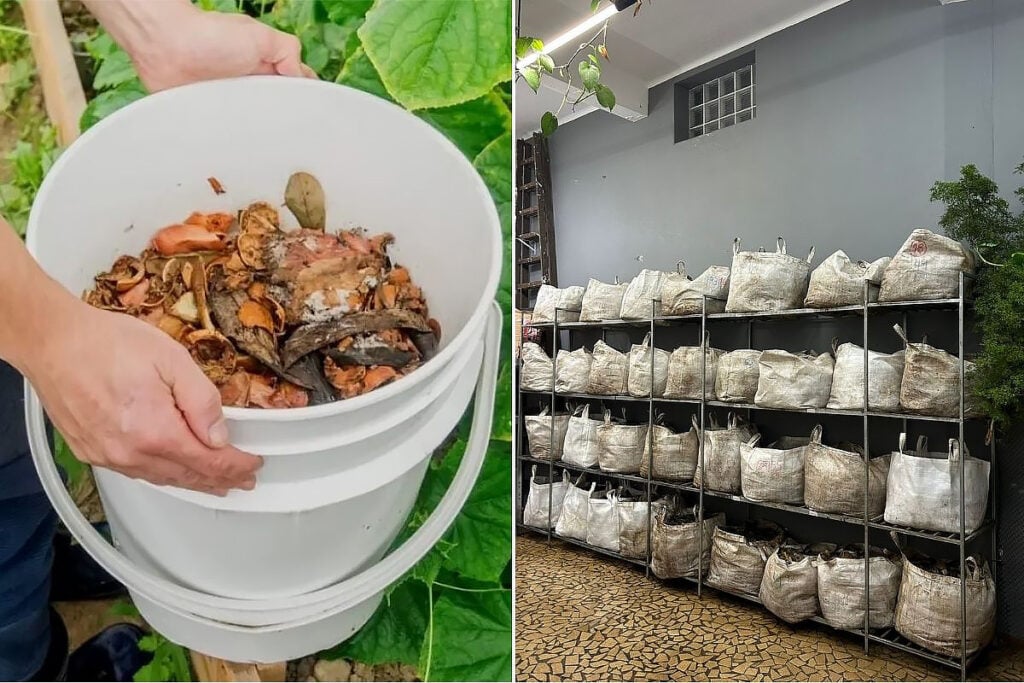
🌟 Composting as Catalyst for Broader Urban Transformation
The revolution in urban composting technologies represents more than improved waste management—it’s a catalyst for reimagining urban systems holistically. As cities develop sophisticated organics processing infrastructure, they build capacity and expertise applicable to other sustainability challenges. The community engagement strategies that succeed in promoting composting transfer to other environmental programs. The closed-loop thinking that makes composting work applies equally to water management, energy systems, and materials flows.
Perhaps most importantly, composting makes environmental action tangible and immediate. Residents who participate in composting programs can see their individual impact, understand their connection to natural cycles, and feel empowered to tackle larger challenges. This psychological dimension shouldn’t be underestimated—building environmental consciousness through accessible, rewarding activities creates the foundation for broader societal transformation.
The technologies emerging today—from smart home composters to AI-optimized municipal facilities—are not endpoints but way stations on a longer journey toward truly sustainable urban living. Each innovation builds on previous advances while pointing toward future possibilities not yet imagined. The composting revolution is accelerating, and cities embracing these technologies today are positioning themselves as the livable, resilient, sustainable communities of tomorrow.
As urban populations continue growing and environmental pressures intensify, the question is not whether cities will revolutionize their approach to organic waste management, but how quickly they can implement solutions that already exist and continue innovating toward even better systems. The technology is here, the benefits are clear, and the time for transformation is now.
