
Anúncios
Real-time translation apps have revolutionized how we communicate across languages, breaking down barriers and connecting people worldwide instantly.
Imagine landing in Tokyo without knowing a single Japanese word, yet being able to order food, ask for directions, and even negotiate prices—all through your smartphone. This isn’t science fiction anymore; it’s the reality that real-time translation applications offer millions of travelers, business professionals, and language enthusiasts every day.
Anúncios
These innovative tools leverage cutting-edge artificial intelligence and machine learning algorithms to instantly convert spoken or written words from one language to another. Whether you’re navigating foreign streets, attending international conferences, or simply trying to understand a menu in a local restaurant, translation apps have become indispensable companions in our increasingly globalized world. 🌍
How Real-Time Translation Technology Actually Works
The magic behind instant translation involves sophisticated layers of technology working seamlessly together. When you speak into your device, the app first captures your voice using advanced speech recognition algorithms. These systems analyze the audio patterns, breaking down your words into phonetic components that the software can understand.
Anúncios
Once the speech is converted to text, natural language processing (NLP) takes over. This AI-driven system doesn’t simply match words from a dictionary—it analyzes context, grammatical structures, and idiomatic expressions to determine the actual meaning behind what you said. The translation engine then reconstructs this meaning in the target language, considering cultural nuances and appropriate phrasing.
Finally, text-to-speech technology brings the translation to life, converting the written output back into natural-sounding speech. Modern apps use neural networks trained on millions of conversations to produce increasingly human-like voices with proper intonation and emotion. The entire process happens in mere seconds, creating what feels like genuine real-time communication.


Top Features That Define Quality Translation Apps
Not all translation applications are created equal. The best ones share specific characteristics that set them apart from basic dictionary tools. Understanding these features helps you choose the right app for your specific needs.
Conversation Mode for Natural Dialogue 💬
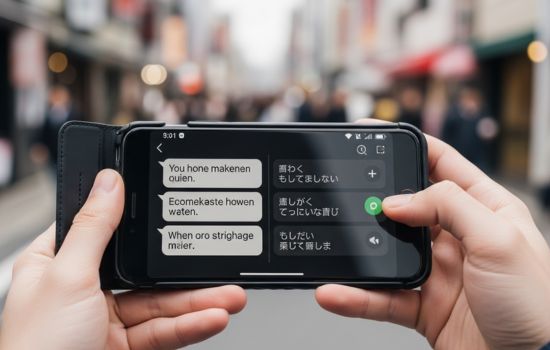
Leading translation apps offer conversation mode, which allows two people speaking different languages to communicate naturally. The app automatically detects which language is being spoken and provides instant translations in both directions. This creates a fluid back-and-forth exchange that closely mimics natural conversation, making it perfect for business meetings, making new friends while traveling, or helping tourists in your hometown.
Camera Translation for Written Text
One of the most practical features modern apps provide is the ability to translate text through your camera. Simply point your phone at a street sign, menu, product label, or document, and the app overlays the translation directly onto the image. This augmented reality approach makes navigating foreign environments significantly easier and reduces the anxiety many travelers feel when faced with unfamiliar writing systems.
Offline Functionality for Connectivity-Free Zones
Reliable internet access isn’t always guaranteed when traveling internationally. Premium translation apps allow you to download language packs for offline use, ensuring you’re never left without translation capabilities. While offline modes may offer slightly reduced accuracy compared to cloud-based processing, they remain remarkably effective for common phrases and everyday conversations.
Most Popular Languages Supported by Translation Apps
Modern translation applications typically support dozens—sometimes over a hundred—languages. However, some languages receive more development attention due to global demand and available training data.
| Language Category | Examples | Translation Quality |
|---|---|---|
| Major Global Languages | English, Spanish, Chinese, French, German | Excellent – Near native accuracy |
| Regional Languages | Portuguese, Italian, Japanese, Korean, Arabic | Very Good – High accuracy with minor nuances |
| Emerging Support | Vietnamese, Thai, Indonesian, Polish | Good – Improving rapidly with AI advances |
| Limited Resources | Lesser-spoken regional dialects | Fair – Basic communication possible |
The quality of translation varies significantly based on how much training data exists for specific language pairs. English-to-Spanish translations, for instance, typically achieve higher accuracy than translations between two less commonly paired languages like Finnish and Vietnamese.
Real-World Scenarios Where Translation Apps Shine ✨
Understanding the practical applications of these tools helps illustrate their transformative impact on daily life and special situations.
International Business and Professional Settings
Global commerce increasingly requires communication across language barriers. Sales representatives use translation apps during client calls with overseas partners. Project managers coordinate with international teams without requiring everyone to speak a common language fluently. Even job interviews can be conducted with the assistance of real-time translation, opening employment opportunities that would otherwise require years of language study.
Travel and Tourism Adventures
Travelers represent perhaps the largest user base for translation apps. From checking into hotels and ordering local cuisine to asking for recommendations and understanding museum exhibits, these tools empower tourists to venture beyond English-speaking areas with confidence. They transform potentially stressful situations—like explaining a medical issue to a foreign doctor—into manageable interactions.
Education and Language Learning Support
Language students use translation apps as supplementary learning tools, checking their pronunciation and understanding complex grammatical structures. Teachers in multicultural classrooms leverage these applications to communicate with students who speak different native languages, ensuring no one falls behind due to language barriers. The technology also helps parents stay involved in their children’s education when school communications are in unfamiliar languages.
Emergency Situations and Healthcare
When every second counts, translation apps can be literal lifesavers. Emergency responders use them to understand victims’ descriptions of symptoms or injuries. Hospital staff communicate critical medical information to patients who don’t speak the local language. These applications ensure that language differences never prevent someone from receiving proper care or assistance during crises.
Privacy Considerations When Using Translation Services
While incredibly useful, translation apps require access to sensitive data like your voice, camera, and potentially personal conversations. Understanding privacy implications helps you make informed decisions about which apps to trust.
Many free translation services store and analyze your conversations to improve their algorithms. This data collection, while beneficial for improving accuracy, raises legitimate privacy concerns—especially for business users discussing confidential information. Reading privacy policies carefully and understanding what happens to your data after translation is essential.
For sensitive conversations, consider apps offering end-to-end encryption or those that process translations locally on your device rather than sending data to cloud servers. Some premium services offer enterprise versions with enhanced privacy protections specifically designed for business use where confidentiality is paramount.
Accuracy Limitations You Should Know About ⚠️
Despite impressive technological advances, real-time translation isn’t perfect. Understanding common limitations helps set realistic expectations and prevents potential misunderstandings.
Idiomatic expressions pose particular challenges. Phrases like “it’s raining cats and dogs” or “break a leg” often translate literally, producing confusing or nonsensical results in the target language. Similarly, cultural context significantly impacts meaning—what’s polite in one culture might be offensive in another, and most apps struggle with these nuances.
Technical jargon, regional dialects, and heavy accents can also reduce translation accuracy. Apps trained primarily on standard language may falter when encountering specialized vocabulary or non-standard pronunciations. Background noise further complicates speech recognition, sometimes producing hilariously incorrect translations.
Professional interpreters remain essential for high-stakes situations like legal proceedings, critical medical diagnoses, or important business negotiations. Translation apps excel at everyday communication but shouldn’t replace human expertise when precision is absolutely critical.
Choosing the Right App for Your Specific Needs
The translation app market offers numerous options, each with distinct strengths and weaknesses. Selecting the ideal one depends on how you plan to use it.
- For frequent travelers: Prioritize apps with robust offline capabilities and camera translation features
- For business professionals: Look for apps offering conversation mode with high accuracy in your specific industry languages
- For language learners: Choose apps that provide pronunciation feedback and contextual examples
- For casual users: Free apps with basic features typically suffice for occasional needs
- For privacy-conscious individuals: Select apps with clear privacy policies and local processing options
Testing multiple apps with free trials or basic versions helps you determine which interface feels most intuitive and which produces the most accurate results for your common language pairs.
Future Developments in Translation Technology 🚀
The field of machine translation continues evolving at a remarkable pace. Emerging technologies promise even more impressive capabilities in the coming years.
Researchers are developing emotion recognition systems that will allow apps to not just translate words but also convey the speaker’s emotional tone and intent. Imagine a translation that captures not only what someone said but also whether they’re joking, being sarcastic, or expressing urgency.
Augmented reality integration is becoming more sophisticated, with smart glasses that could display translations directly in your field of vision during natural conversations. This hands-free approach would make translated communication feel even more natural and seamless.
Neural networks are also being trained on increasingly diverse datasets, improving accuracy for lesser-spoken languages and regional dialects that currently receive limited support. The goal is universal translation quality, regardless of which language pair you’re using.
Maximizing Translation App Effectiveness Through Smart Usage
Getting optimal results from translation technology requires understanding how to use these tools effectively. Simple adjustments to your approach can dramatically improve accuracy.
Speaking clearly and at a moderate pace gives the app time to accurately capture and process your words. Avoiding complex sentence structures and breaking thoughts into shorter, simpler statements produces more reliable translations. Think of communicating in straightforward subject-verb-object patterns rather than elaborate, multi-clause constructions.
When possible, verify important translations by translating the result back into your original language. This “back translation” technique helps identify significant errors or misinterpretations before they cause problems. If the back translation doesn’t match your original meaning, rephrase and try again.
Learning a few basic phrases in your target language—greetings, thank you, excuse me—demonstrates respect and helps build rapport before relying on technology for more complex communication. This hybrid approach combines the warmth of personal effort with the practical power of instant translation.
Breaking Down Cultural Barriers Beyond Words 🌐
Language translation is just one component of cross-cultural communication. The best translation apps increasingly recognize that effective communication requires cultural awareness alongside linguistic accuracy.
Some advanced applications now provide cultural notes alongside translations, warning users about potential cultural sensitivities or suggesting more appropriate phrasings for specific contexts. For example, an app might suggest a more formal translation when the context indicates you’re speaking to someone in a position of authority in a culture that values hierarchical respect.
Understanding that communication styles vary dramatically across cultures enhances your effectiveness when using translation apps. Some cultures favor direct communication while others prefer indirect approaches. Some value brevity while others see elaboration as respectful. Translation apps handle the words, but cultural intelligence ensures those words achieve their intended effect.
Cost Considerations and Value Assessment
Translation apps range from completely free to premium subscriptions costing several dollars monthly. Determining whether paid features justify the expense depends on usage frequency and specific needs.
Free versions typically include advertisements and limit access to advanced features like offline mode, unlimited translations, or premium voices. For occasional users, these limitations rarely pose problems. However, frequent travelers or professionals relying on translation for business may find premium subscriptions worthwhile investments.
Many apps offer tiered pricing structures. Basic paid tiers might remove ads and add offline capabilities, while premium tiers include unlimited camera translations, conversation recording, and priority access to the latest AI improvements. Evaluate your actual usage patterns before committing to the highest tier—you might find mid-level options provide everything you need.
Some employers will reimburse translation app subscriptions for employees who regularly communicate with international clients or partners. If you use translation for work, inquiring about expense reimbursement could make premium features accessible without personal cost.
The Human Touch Still Matters
Despite technological sophistication, translation apps complement rather than replace human connection. The warmth of attempting to speak someone’s language, even imperfectly, builds relationships that perfect automated translation cannot.
Using translation apps as bridges to learning demonstrates respect and interest in other cultures. Many travelers report that showing effort to communicate—even with technological assistance—elicits more helpful and friendly responses than simply expecting others to accommodate them.
Professional translators and interpreters bring irreplaceable value through their deep cultural knowledge, ability to navigate ambiguity, and understanding of context that machines still struggle to achieve. For important communications, human expertise remains the gold standard, with apps serving as valuable tools rather than complete solutions.
Real-time translation apps represent one of technology’s most democratizing developments, making cross-cultural communication accessible to anyone with a smartphone. They’ve transformed travel from a privilege of the multilingual to an adventure open to all, broken down business barriers that once required extensive language training, and created connections between people who would otherwise never communicate. As these tools continue improving, they promise an increasingly connected world where language differences become minor inconveniences rather than insurmountable barriers. Whether you’re planning your first international trip or conducting global business, embracing translation technology opens doors to experiences and relationships that enrich life in countless ways. 🌟
