
Anúncios
The way we give gifts reflects our values. Choosing sustainable presents and eco-friendly packaging transforms celebrations into acts of environmental care, creating meaningful impact beyond the moment of unwrapping.
🌱 Why Green Giving Matters Now More Than Ever
Traditional gift-giving practices contribute significantly to environmental degradation. Each year, billions of pounds of wrapping paper, plastic ribbons, and non-recyclable packaging end up in landfills. The production of conventional gifts often involves exploitative labor practices, excessive carbon emissions, and resource depletion that our planet can no longer sustain.
Anúncios
Green giving addresses these concerns by prioritizing products and practices that minimize environmental harm. This approach considers the entire lifecycle of a gift—from raw material extraction and manufacturing to transportation, use, and eventual disposal. When we choose sustainable gifts, we’re voting with our wallets for a better future.
The beauty of eco-friendly gifting lies in its dual impact. Not only do you reduce your environmental footprint, but you also inspire recipients to reconsider their own consumption patterns. A thoughtfully chosen sustainable gift sparks conversations about environmental stewardship and demonstrates that caring for the planet doesn’t require sacrifice—it enhances the meaning behind our gestures of love and appreciation.
Anúncios
🎁 Sustainable Gift Ideas That Actually Delight Recipients
Finding the perfect green gift requires creativity and thoughtfulness. The best sustainable presents combine environmental responsibility with genuine usefulness or emotional value. Let’s explore categories that consistently deliver both impact and joy.
Experience-Based Gifts: Creating Memories Without Waste
Experiences generate zero physical waste while creating lasting memories. Consider concert tickets, cooking classes, spa vouchers, museum memberships, or outdoor adventure experiences. These gifts often provide more lasting happiness than material possessions, aligning with psychological research showing that experiential purchases contribute more to long-term well-being.
Digital experiences have expanded possibilities even further. Online course subscriptions, virtual cooking lessons with renowned chefs, meditation app memberships, or digital art classes offer enrichment without environmental cost. These gifts support the recipient’s personal growth while maintaining a zero-waste footprint.
Plants and Seeds: Gifts That Keep Growing
Living plants serve multiple environmental functions while beautifying spaces. Houseplants improve indoor air quality, reduce stress, and create ongoing care rituals that strengthen the giver-recipient bond. Choose low-maintenance varieties like pothos, snake plants, or succulents for recipients without green thumbs.
Seed packets or seed bombs offer interactive gifting experiences. Herb garden starter kits, native wildflower seeds, or vegetable growing sets encourage recipients to participate in food production and biodiversity conservation. These gifts transform into educational opportunities, especially meaningful for families with children.
Handmade and Artisan Products: Supporting Sustainable Livelihoods
Handcrafted items from local artisans or fair-trade cooperatives combine uniqueness with ethical production. Hand-thrown ceramic mugs, handwoven textiles, artisan soaps made with natural ingredients, or hand-carved wooden items carry stories of craftsmanship that mass-produced goods cannot match.
These gifts support sustainable livelihoods and preserve traditional skills threatened by industrial manufacturing. When purchasing artisan goods, research the maker’s practices to ensure they align with environmental and social values. Many platforms now connect conscious consumers directly with sustainable producers worldwide.
Reusable Products: Practical Gifts That Reduce Waste Daily
High-quality reusable items help recipients eliminate single-use products from their routines. Stainless steel water bottles, beeswax food wraps, silicone storage bags, bamboo cutlery sets, reusable coffee cups, or cloth produce bags combine practicality with environmental benefit.
The key to successful reusable gifting lies in quality and aesthetics. Choose beautifully designed items that recipients will actually enjoy using. A gorgeously patterned reusable shopping bag or an elegantly crafted lunch container becomes a daily reminder of your thoughtfulness rather than an obligation.
Upcycled and Vintage Treasures: Giving Pre-Loved Items New Life
Vintage and upcycled gifts embody circular economy principles. Carefully curated second-hand books, restored vintage jewelry, refurbished electronics, or upcycled furniture pieces offer character impossible to find in new items. These gifts tell stories while preventing functional items from entering waste streams.
Presentation transforms pre-loved items into special gifts. Pair vintage books with personalized bookplates, polish antique jewelry to showcase its beauty, or include the item’s history when known. This context adds layers of meaning that recipients appreciate.
♻️ Eco-Friendly Packaging Solutions That Look Beautiful
Sustainable packaging completes the green giving experience. Traditional gift wrap generates enormous waste—Americans alone throw away approximately 4 million tons of wrapping paper and shopping bags yearly. Fortunately, creative alternatives exist that look stunning while respecting environmental limits.
Furoshiki: The Japanese Art of Fabric Wrapping
Furoshiki transforms square fabric pieces into elegant gift wrapping. This centuries-old Japanese technique uses folding and knotting to secure packages of various shapes and sizes. Recipients can reuse the fabric for wrapping their own gifts, as scarves, wall hangings, or household textiles, extending the gift’s value.
Choose organic cotton, linen, or recycled fabric in colors and patterns matching the recipient’s aesthetic. Numerous online tutorials demonstrate furoshiki techniques from simple to complex. This wrapping method adds cultural richness and artistic beauty to your presentation.
Recycled and Recyclable Paper Options
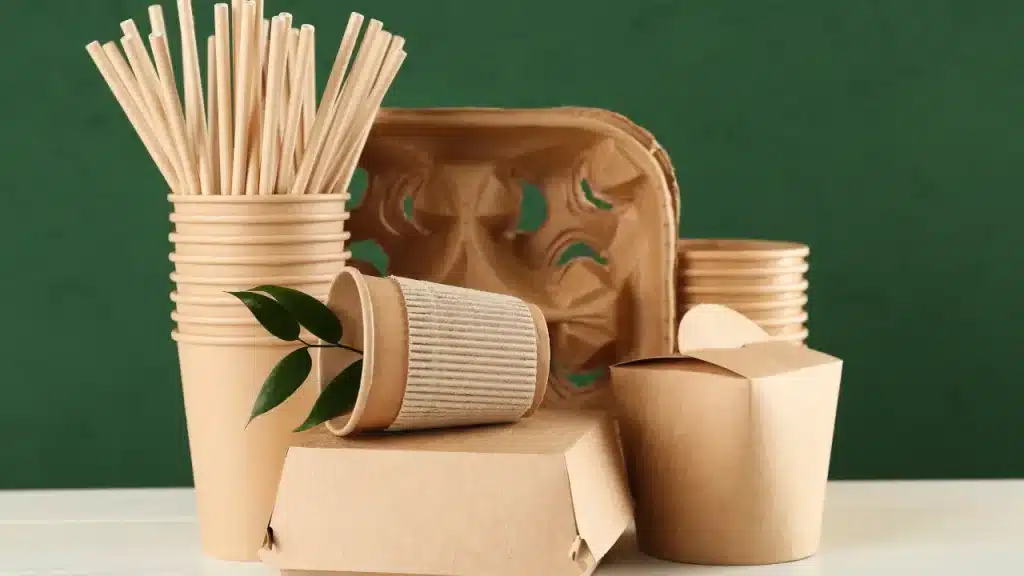
When paper wrapping feels appropriate, select recycled or recyclable varieties without plastic coatings, glitter, or metallic finishes that contaminate recycling streams. Brown kraft paper offers a versatile base for customization with natural stamps, hand-drawn designs, or dried flower decorations.
Newspaper, especially pages with interesting graphics or meaningful dates, creates nostalgic and conversation-starting presentations. Old maps, sheet music, or book pages transform gifts into artistic statements. These materials cost nothing yet deliver visual impact that expensive commercial wrapping cannot achieve.
Reusable Containers as Part of the Gift
Packaging that functions as part of the gift eliminates waste entirely. Wrap items in decorative tins, glass jars, wooden boxes, fabric pouches, or woven baskets that recipients can repurpose. A cookbook presented in a mixing bowl with wooden spoons, or tea samples in a beautiful ceramic teapot, demonstrates thoughtful integration of packaging and gift.
This approach requires slightly more planning but significantly enhances perceived value. Recipients appreciate receiving two useful items instead of one plus disposable wrapping. The packaging itself communicates care and creativity.
Natural Decorative Elements
Replace synthetic ribbons and bows with natural alternatives. Twine, jute string, or cotton ribbon provide rustic charm without plastic waste. Decorate packages with sprigs of rosemary, lavender, or evergreen, dried flowers, cinnamon sticks, pine cones, or pressed leaves collected from nature walks.
These botanical accents add sensory dimensions—texture, scent, and organic beauty—that synthetic decorations lack. They’re compostable, often free, and create memorable impressions that honor both recipient and environment.
🌍 Making Green Giving Accessible for Every Budget
Sustainable gifting doesn’t require expensive purchases. Some of the most meaningful green gifts cost little or nothing monetarily while demanding thoughtfulness and time—resources often more valuable than money.
DIY Gifts: Crafting With Love and Minimal Impact
Homemade gifts carry personal significance that purchased items rarely match. Baked goods in repurposed jars, homemade candles using beeswax and essential oils, hand-knitted items, preserved fruits or pickles, natural beauty products, or custom artwork demonstrate investment of time and skill.
DIY gifts allow complete control over ingredients and materials, ensuring alignment with environmental values. They also provide creative outlets and skill development for gift-givers. Recipients recognize the effort involved, making these gifts particularly treasured.
Service and Time: The Ultimate Sustainable Gifts
Offering your skills and time creates zero waste while providing genuine value. Gift certificates for home-cooked meals, garden assistance, pet-sitting, tech support, house-cleaning, organizing services, or childcare help recipients in practical ways without environmental cost.
Create personalized coupons detailing services offered. This approach works especially well for close relationships where you understand specific needs. A busy parent might treasure monthly dinner preparations more than any physical item, while elderly relatives might value technology tutoring or home maintenance assistance.
Digital and Charitable Gifts: Impact Without Objects
Digital gifts leave no physical footprint. E-books, streaming service subscriptions, online game passes, or digital art pieces provide entertainment and enrichment without production or shipping impacts. Ensure recipients have the technology to enjoy these gifts.
Charitable donations in someone’s name honor their values while supporting causes they care about. Research organizations carefully to ensure donations create genuine impact. Pair charitable gifts with cards explaining the donation’s significance and expected outcomes.
📊 Understanding Environmental Certifications and Labels
Navigating green marketing claims requires knowledge of credible certifications. Not all “eco-friendly” labels indicate genuine sustainability. Understanding legitimate certifications helps identify truly green products.
| Certification | What It Verifies | Product Categories |
|---|---|---|
| Fair Trade | Ethical labor practices and fair wages | Coffee, chocolate, textiles, crafts |
| FSC (Forest Stewardship Council) | Sustainable forestry practices | Paper, wood products, furniture |
| GOTS (Global Organic Textile Standard) | Organic fiber content and ethical processing | Clothing, linens, textiles |
| Cradle to Cradle | Circular design and material health | Various products, materials |
| B Corporation | Overall social and environmental performance | Companies across all sectors |
| Leaping Bunny | No animal testing | Personal care, cosmetics |
Research certifications relevant to your gift category. These verified standards provide assurance that products meet rigorous sustainability criteria beyond self-proclaimed claims.
🎯 Communicating the Green Gift Story
How you present sustainable gifts influences recipient perception. Some people immediately appreciate eco-conscious choices, while others need context to understand the value beyond physical appearance.
Including Meaningful Cards and Notes
Attach cards explaining your gift’s sustainable aspects without preaching. Describe the artisan who created a handmade item, the environmental benefit of a reusable product, or the organization supported by a charitable donation. Share stories that create emotional connections.
Use recycled paper, seed paper that recipients can plant, or digital cards for these messages. Keep the tone positive and personal rather than lecturing. Focus on how the gift aligns with shared values or the recipient’s expressed interests.
Leading by Example Rather Than Judgment
Green giving works best as gentle inspiration rather than criticism of others’ choices. Demonstrate through your actions that sustainable gifts can be beautiful, thoughtful, and desirable. When recipients ask about your choices, share your reasoning enthusiastically without implying their approach is wrong.
Over time, consistent modeling of green giving practices influences social circles more effectively than direct persuasion. As people receive and enjoy sustainable gifts, they naturally become more open to adopting similar practices.
🌟 Seasonal Considerations for Sustainable Celebrations
Different occasions present unique opportunities and challenges for green giving. Adapting sustainable practices to seasonal celebrations ensures year-round environmental mindfulness.
Holiday Season: Managing the Biggest Gifting Challenge
Winter holidays generate peak consumption and waste. Combat this by establishing family agreements to limit gift quantities, implement Secret Santa arrangements, or transition toward experience-based giving. Suggest wish lists featuring sustainable options to guide other gift-givers.
Create new traditions around sustainable practices—crafting ornaments from natural materials, making homemade treats together, or participating in community gift swaps. These activities generate holiday joy while reducing environmental impact.
Birthdays and Personal Milestones: Celebrating Mindfully
Personal celebrations offer flexibility for creative sustainable gifting. Consider milestone birthdays as opportunities for meaningful experience gifts like travel, workshops, or special outings. For children’s birthdays, suggest contributions toward larger sustainable items rather than accumulating small plastic toys.
Coordinate with other guests to reduce duplication and focus collective resources on higher-quality sustainable gifts. This approach creates more meaningful presents while reducing overall consumption.
💚 Building Long-Term Sustainable Gifting Habits
Transforming occasional green giving into consistent practice requires intentional habit formation. Start by committing to one sustainable choice per gift-giving occasion, gradually expanding as comfort increases.
Maintain a year-round collection of sustainable wrapping materials—fabric pieces, boxes, jars, and natural decorations gathered during nature walks. This preparation eliminates last-minute resort to conventional options. Keep a running list of sustainable gift ideas for people in your life, noting their interests and values.
Join or create gift-giving communities focused on sustainability. Share ideas, resources, and supplies with like-minded individuals. These networks provide inspiration, accountability, and practical support for maintaining green giving commitments.
Review your gifting practices annually. Assess what worked well, what recipients appreciated most, and where improvements could be made. This reflection ensures continuous improvement and prevents sustainable gifting from becoming routine rather than thoughtful.
🌿 The Ripple Effect of Conscious Gift-Giving
Every sustainable gift creates ripples extending far beyond the immediate exchange. When you present a beautifully wrapped package using furoshiki technique, you introduce that method to your recipient and everyone who witnesses the unwrapping. When you give a high-quality reusable item, you reduce single-use product consumption throughout its lifetime of use.
These individual actions aggregate into cultural shifts. As sustainable gifting becomes normalized within social circles, it influences retail markets, manufacturing practices, and societal expectations. Businesses respond to consumer demand—when enough people prioritize sustainability, the market adapts accordingly.
Perhaps most significantly, green giving aligns our celebrations with our values. Many people experience cognitive dissonance between environmental concerns and consumption-heavy holiday traditions. Sustainable gifting resolves this tension, allowing us to honor relationships and mark special occasions without compromising our commitment to planetary health.
The transformation doesn’t happen overnight. Begin where you are, with what you have, doing what you can. Each sustainable gift represents a small victory for environmental stewardship and a meaningful expression of care for both recipient and planet. As these practices become habitual, you’ll discover that green giving isn’t a sacrifice—it’s an enhancement that deepens the joy and meaning of sharing gifts with people you love.
The future of gift-giving lies not in elaborate consumption but in thoughtful connection. By choosing sustainable gifts and eco-friendly packaging, we write a different story—one where celebrations strengthen rather than strain our relationship with the Earth, where generosity extends beyond individual recipients to encompass all living beings sharing our planetary home. This is the promise and the practice of green giving: transforming moments of exchange into acts of love that honor both people and planet. 🌎
