
Anúncios
Governments worldwide are accelerating renewable energy innovation through policy frameworks, financial incentives, and strategic partnerships, reshaping our path toward a sustainable, low-carbon future.
🌍 The Global Imperative for Renewable Energy Transformation
Climate change no longer stands at our doorstep—it has already entered our homes. Rising global temperatures, extreme weather events, and environmental degradation demand immediate action. Governments have recognized that transitioning to renewable energy sources isn’t merely an environmental preference but an existential necessity. This recognition has sparked unprecedented investment in clean energy technologies, from solar and wind power to innovative solutions like green hydrogen and advanced energy storage systems.
Anúncios
The role governments play in catalyzing renewable innovation extends far beyond simple regulation. They function as architects of change, creating ecosystems where sustainable technologies can flourish. Through carefully crafted policies, substantial funding mechanisms, and international collaboration, public sector initiatives are fundamentally transforming how we generate, distribute, and consume energy.
According to the International Energy Agency, global investment in clean energy reached record levels, with government-backed initiatives accounting for a significant portion of this growth. This momentum represents more than financial commitment—it signals a paradigm shift in how nations approach energy security, economic development, and environmental stewardship simultaneously.
Anúncios
💰 Financial Mechanisms Driving Clean Energy Innovation
Government funding mechanisms serve as the lifeblood of renewable energy innovation. These financial instruments take various forms, each designed to address specific barriers in the clean energy development pipeline. From early-stage research grants to commercial-scale deployment subsidies, public funding fills critical gaps that private capital often cannot or will not address.
Direct Investment and Grant Programs
Research and development grants remain foundational to renewable energy breakthroughs. The United States Department of Energy, European Union’s Horizon Europe program, and similar initiatives worldwide allocate billions annually to support cutting-edge research. These programs fund everything from university laboratories exploring novel photovoltaic materials to private companies developing next-generation battery technologies.
Direct government investment reduces risk for innovators, allowing them to pursue ambitious projects that might otherwise seem financially impractical. This support proves particularly crucial during the “valley of death”—that challenging period between proof-of-concept and commercial viability where many promising technologies falter due to insufficient funding.
Tax Incentives and Credits
Tax-based incentives represent another powerful tool in the government arsenal. Production tax credits, investment tax credits, and accelerated depreciation schemes make renewable energy projects more financially attractive to private investors and corporations. The U.S. Investment Tax Credit for solar energy, for instance, has been instrumental in driving the dramatic cost reductions and deployment expansion witnessed over the past decade.
These incentives effectively lower the upfront costs of renewable installations, improving return-on-investment calculations and accelerating adoption rates. They also create predictable market conditions that encourage long-term planning and sustained industry growth.
Green Bonds and Climate Financing
Innovative financing instruments like green bonds have emerged as significant revenue sources for renewable projects. Governments issue these bonds specifically to fund environmental initiatives, attracting environmentally conscious investors seeking both financial returns and positive impact. The green bond market has grown exponentially, now representing hundreds of billions in annual issuance globally.
Development banks and multilateral institutions, often government-backed, also play crucial roles in climate financing. Organizations like the World Bank, Asian Development Bank, and European Investment Bank channel substantial resources toward renewable energy projects, particularly in developing nations where capital access remains limited.
📋 Policy Frameworks Creating Favorable Market Conditions
Beyond financial support, governments shape renewable energy markets through comprehensive policy frameworks. These regulatory structures establish the rules of engagement, set ambitious targets, and create market certainty that encourages private sector participation.
Renewable Portfolio Standards and Mandates
Many jurisdictions implement renewable portfolio standards requiring utilities to source specific percentages of electricity from renewable sources by designated dates. These mandates create guaranteed demand for clean energy, providing market certainty that justifies substantial infrastructure investments. California, for example, has committed to 100% clean electricity by 2045, sending unmistakable signals to energy providers and technology developers.
Such policies transform renewables from niche alternatives into mainstream necessities, fundamentally restructuring energy markets and investment patterns. They also encourage technological diversification, as utilities seek various renewable sources to meet their obligations reliably.
Feed-in Tariffs and Power Purchase Agreements
Feed-in tariffs guarantee renewable energy producers fixed prices for electricity fed into the grid, typically over extended periods. Germany’s pioneering feed-in tariff program catalyzed remarkable growth in solar and wind capacity, demonstrating how price certainty can rapidly scale renewable deployment. While many markets have evolved toward competitive auction systems, feed-in tariffs remain valuable tools for jumpstarting renewable sectors.
Government-backed power purchase agreements similarly provide revenue certainty, particularly for large-scale projects. By guaranteeing electricity purchases at predetermined prices, these agreements reduce financial risk and improve project bankability, attracting private investment that might otherwise remain on the sidelines.
Carbon Pricing and Emission Trading Systems
Carbon pricing mechanisms—whether through carbon taxes or cap-and-trade systems—internalize the environmental costs of fossil fuel consumption, making renewables more economically competitive. The European Union’s Emissions Trading System, the world’s largest carbon market, has significantly influenced energy investment decisions, accelerating the transition toward cleaner alternatives.
By attaching financial costs to carbon emissions, these systems create economic incentives for innovation in low-carbon technologies. They effectively level the playing field, ensuring that fossil fuels bear their true environmental costs rather than externalizing them onto society and future generations.
🔬 Public Research Infrastructure and Innovation Ecosystems
Government-funded research institutions form the backbone of renewable energy innovation. National laboratories, university research centers, and public-private partnerships conduct foundational research that private companies cannot justify pursuing independently due to high risk, long timelines, or uncertain commercial applications.
National Laboratories and Research Centers
Institutions like the U.S. National Renewable Energy Laboratory, Germany’s Fraunhofer Institute, and similar facilities worldwide serve as innovation hubs where breakthrough technologies emerge. These centers possess unique capabilities—specialized equipment, multidisciplinary expertise, and long-term research horizons—that enable transformative discoveries in areas like advanced materials, energy storage, and grid integration.
Public research institutions also function as knowledge brokers, bridging the gap between academic research and commercial application. They facilitate technology transfer, helping promising innovations navigate the complex journey from laboratory to marketplace.
Innovation Clusters and Technology Parks
Governments actively cultivate innovation ecosystems by establishing technology parks, clean energy clusters, and specialized economic zones. These geographic concentrations of expertise, capital, and infrastructure create synergies that accelerate innovation. Silicon Valley’s dominance in information technology demonstrates the power of such clusters—governments worldwide now seek to replicate this success in renewable energy sectors.
These ecosystems provide more than physical infrastructure. They foster knowledge exchange, facilitate collaboration between universities and industry, and attract talent and investment. Denmark’s wind energy cluster, for instance, has made the country a global leader in wind technology through decades of strategic ecosystem development.
🤝 International Collaboration and Knowledge Sharing
Climate change recognizes no borders, and neither should renewable energy innovation. Governments increasingly recognize that international collaboration accelerates progress, spreading best practices, pooling resources, and avoiding redundant research efforts.
Multilateral Initiatives and Agreements
International agreements like the Paris Climate Accord establish common frameworks and shared commitments that drive national renewable energy policies. These agreements create accountability mechanisms and facilitate technology transfer, particularly benefiting developing nations lacking resources for independent innovation programs.
Specialized initiatives like Mission Innovation—a global coalition of nations committed to accelerating clean energy innovation—demonstrate the power of coordinated action. By aligning research priorities, sharing data, and coordinating investments, participating governments amplify their collective impact beyond what isolated efforts could achieve.
Technology Transfer and Capacity Building
Developed nations increasingly support renewable energy capacity building in developing countries through technology transfer programs, technical assistance, and educational initiatives. These efforts recognize that global decarbonization requires universal access to clean energy technologies, not just advancement in wealthy nations.
Such programs also create new markets for renewable technologies, benefiting both technology recipients and exporters. They foster goodwill, strengthen diplomatic relationships, and demonstrate that sustainable development need not be a zero-sum game.
⚡ Grid Modernization and Infrastructure Investment
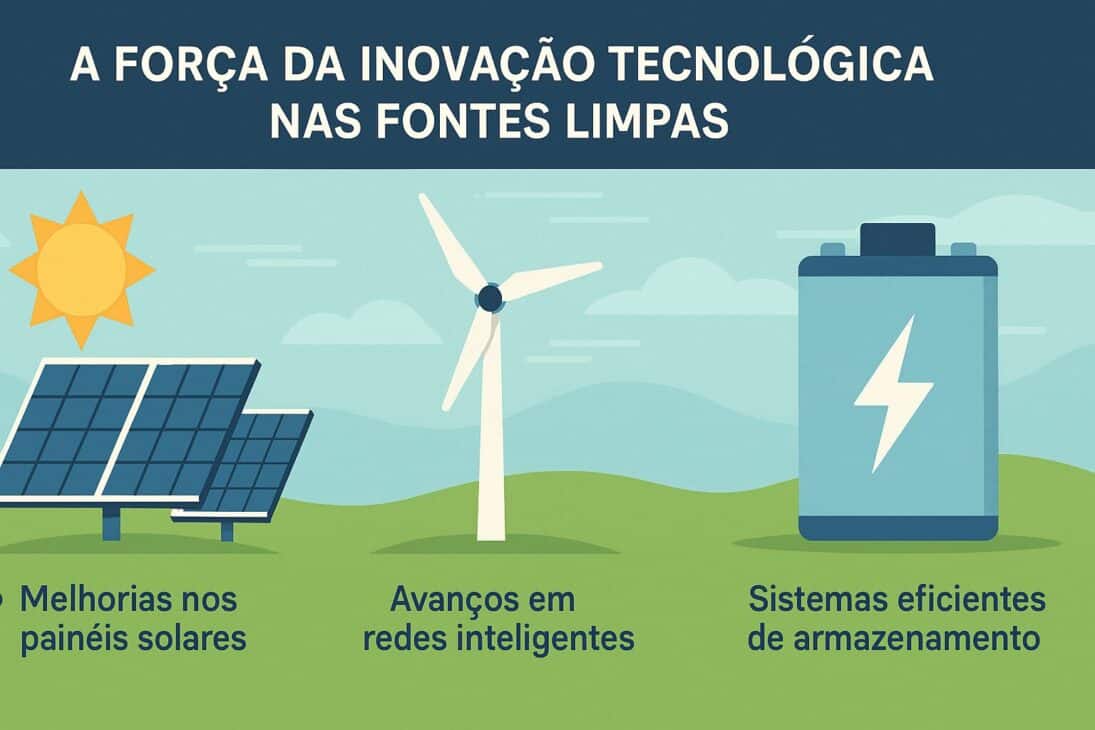
Renewable energy sources present unique integration challenges due to their variable nature. Governments address these challenges through substantial investments in grid modernization, energy storage, and smart grid technologies that enable reliable renewable-powered electricity systems.
Transmission Infrastructure Expansion
Renewable resources often exist far from population centers—offshore wind farms, desert solar installations, and remote hydroelectric facilities require extensive transmission infrastructure to deliver power to consumers. Government-led transmission planning and investment ensure that grid infrastructure keeps pace with renewable capacity additions.
These infrastructure projects involve complex planning, regulatory coordination, and substantial capital—attributes that often necessitate government leadership. Private utilities may lack incentives to build transmission serving competitors or may face regulatory obstacles that only government action can overcome.
Energy Storage Solutions
Storage technologies transform intermittent renewable sources into dispatchable, reliable power. Governments accelerate storage deployment through research funding, demonstration projects, and deployment incentives. Large-scale battery installations, pumped hydro storage, and emerging technologies like hydrogen storage all benefit from public sector support.
Energy storage represents a critical enabler for high-renewable electricity systems. Government support during the technology’s maturation phase ensures that storage capabilities evolve alongside renewable generation capacity, preventing grid reliability concerns from limiting clean energy deployment.
🏭 Supporting Industrial Transition and Green Jobs
The renewable energy transition represents an enormous economic transformation, creating new industries while disrupting established ones. Governments play crucial roles in managing this transition, supporting affected workers and communities while cultivating emerging clean energy sectors.
Workforce Development Programs
Transitioning to renewable energy creates millions of jobs in manufacturing, installation, maintenance, and system operation. Governments invest in training programs, apprenticeships, and educational initiatives that prepare workers for these opportunities. These programs prove particularly important for workers transitioning from fossil fuel industries, providing pathways to new careers in growing sectors.
Targeted workforce development ensures that the clean energy transition delivers broad-based economic benefits rather than leaving communities behind. It addresses potential labor shortages in rapidly growing renewable sectors while providing economic hope to regions historically dependent on fossil fuel extraction.
Industrial Policy and Manufacturing Support
Governments increasingly view renewable energy manufacturing as strategic industrial policy. Domestic production of solar panels, wind turbines, batteries, and related components creates jobs, builds technical capabilities, and reduces dependence on foreign supply chains. Many nations now offer incentives specifically targeting renewable energy manufacturing facilities.
These policies reflect recognition that the renewable energy transition represents not just an environmental imperative but an economic opportunity. Nations that establish leadership in clean energy technologies position themselves advantageously in the emerging global green economy.
🎯 Overcoming Challenges and Barriers to Innovation
Despite impressive progress, significant challenges remain in accelerating renewable energy innovation. Governments must navigate complex technical, economic, and political obstacles while maintaining momentum toward sustainability goals.
Addressing Intermittency and Reliability Concerns
Variable renewable generation presents real technical challenges that require continued innovation. Governments support research into forecasting methods, grid flexibility solutions, and complementary technologies that ensure reliable electricity supply even with high renewable penetration. Demonstrating that renewable-heavy grids can maintain reliability proves essential for public acceptance and continued policy support.
Balancing Multiple Priorities
Governments must balance renewable energy promotion against other legitimate priorities—energy affordability, energy security, industrial competitiveness, and budget constraints. Effective policy frameworks acknowledge these tensions and seek solutions that advance multiple objectives simultaneously. Subsidies structured to decline as technologies mature, for instance, promote deployment while controlling long-term costs.
Maintaining Long-term Political Commitment
Renewable energy transitions unfold over decades, requiring sustained political will across multiple election cycles. Policy uncertainty—changes in subsidies, mandates, or regulations—can chill investment and slow progress. Governments increasingly seek bipartisan or consensus-based approaches to renewable energy policy, insulating programs from political volatility and providing the long-term certainty markets require.
🌱 Looking Ahead: The Next Frontier of Government Support
As renewable energy technologies mature, government support evolves toward new frontiers—emerging technologies, systemic integration challenges, and harder-to-decarbonize sectors requiring continued public sector leadership.
Green hydrogen, advanced nuclear technologies, carbon capture and storage, and long-duration energy storage represent next-generation solutions requiring substantial government support during development and early deployment phases. Similarly, decarbonizing transportation, heavy industry, and agriculture demands integrated policy approaches combining research funding, regulatory reform, and market-based incentives.
Governments also increasingly recognize that technology alone cannot solve climate challenges. Behavioral change, land use planning, circular economy principles, and nature-based solutions all require policy attention and public investment. Comprehensive climate strategies integrate renewable energy promotion with broader sustainability initiatives, addressing emissions holistically rather than in isolation.
💡 The Lasting Impact of Government-Led Innovation
Government action has fundamentally transformed renewable energy from expensive niche technologies into economically competitive mainstream solutions. Solar and wind power now represent the cheapest electricity sources in most markets—a remarkable achievement driven substantially by decades of public sector support through research funding, deployment incentives, and market-making policies.
This transformation demonstrates that governments can effectively catalyze technological revolutions when they commit resources, maintain long-term vision, and create favorable policy environments. The renewable energy success story offers a blueprint for addressing other technological challenges, from sustainable agriculture to clean transportation to industrial decarbonization.
As climate urgency intensifies, government leadership in renewable innovation becomes ever more critical. The policies, investments, and partnerships established today will determine whether humanity successfully navigates the climate crisis or suffers its worst consequences. By continuing to fuel renewable innovation, governments worldwide are quite literally building the foundation for human civilization’s sustainable future.
The path forward requires expanding what works—robust research funding, intelligent market design, international collaboration—while remaining flexible enough to address emerging challenges. It demands courage to maintain commitments despite short-term obstacles and wisdom to balance competing priorities without losing sight of long-term sustainability imperatives.
Governments alone cannot solve the climate crisis, but without their active leadership, solutions remain impossibly distant. By sparking renewable innovation through strategic interventions, public sector institutions are lighting the way toward a sustainable tomorrow—one solar panel, wind turbine, and policy framework at a time. The future depends on sustaining this momentum, ensuring that today’s innovations become tomorrow’s commonplace realities, and that clean energy access becomes universal rather than privileged.
