
Anúncios
The global energy landscape is experiencing a radical transformation as renewable technologies evolve beyond traditional ground-based installations toward innovative marine-based solutions.
As climate change intensifies and energy demands surge worldwide, the renewable energy sector is pushing boundaries in unprecedented ways. Two revolutionary technologies are leading this maritime energy revolution: floating solar farms and offshore wind power. These complementary systems represent more than just alternative energy sources—they embody humanity’s creative response to space limitations, environmental concerns, and the urgent need for sustainable power generation.
Anúncios
The convergence of these technologies in aquatic environments offers remarkable advantages over their terrestrial counterparts. From utilizing otherwise unused water surfaces to capturing stronger, more consistent winds far from shore, these innovations are reshaping how we think about renewable energy infrastructure. Let’s explore how these cutting-edge solutions are positioning themselves as cornerstones of our sustainable energy future.
🌊 The Rise of Floating Solar Photovoltaic Systems
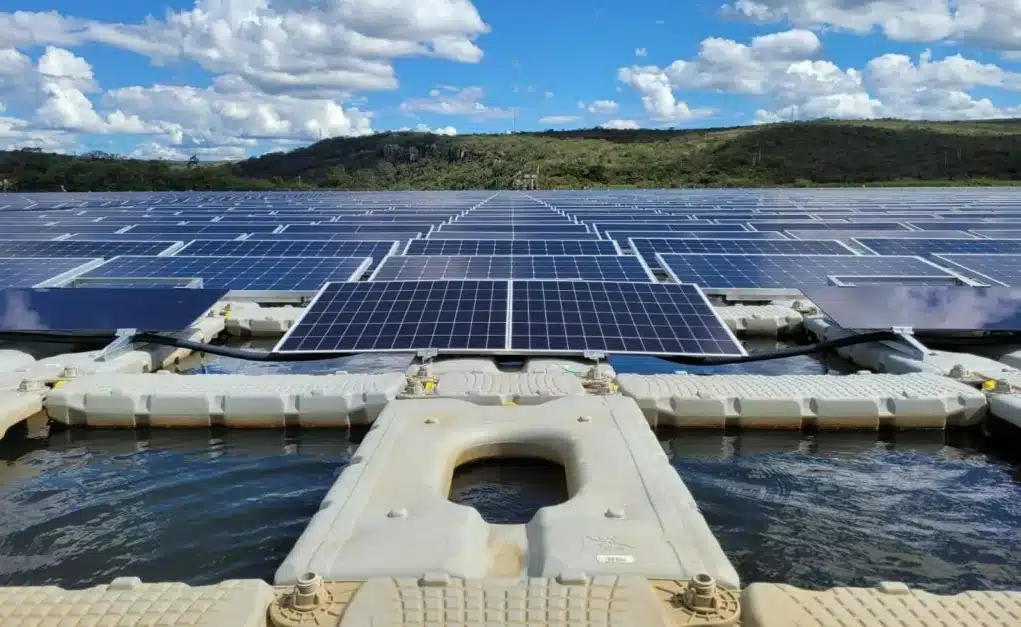
Floating solar farms, technically known as floating photovoltaic (FPV) systems, represent one of the most ingenious solutions to land scarcity issues plaguing traditional solar installations. These systems consist of solar panels mounted on buoyant structures that float on bodies of water such as reservoirs, lakes, irrigation canals, and even coastal areas.
Anúncios
The concept emerged in Japan around 2007 but has since exploded globally, with countries like China, India, South Korea, and Singapore making substantial investments. What makes floating solar particularly attractive is its dual benefit: generating clean electricity while reducing water evaporation from reservoirs—a critical advantage in water-stressed regions.
The technology has matured rapidly. Modern floating solar systems use high-density polyethylene (HDPE) floats designed to withstand harsh weather conditions, waves, and temperature fluctuations. These platforms are anchored securely to the water body floor or shoreline, creating stable foundations for solar panels that can generate electricity for 25 years or more.
Performance Advantages Over Land-Based Solar
Floating solar installations offer several performance benefits that make them superior to ground-mounted systems in specific contexts. The cooling effect of water beneath the panels significantly enhances efficiency—studies show that floating solar panels can be 5-10% more efficient than their land-based counterparts due to reduced operating temperatures.
Water bodies also provide natural dust reduction, meaning panels stay cleaner longer and require less maintenance. The reflective properties of water can increase light absorption, further boosting energy generation. Additionally, installing solar farms on water eliminates the need for land clearing, preserving valuable agricultural land and natural habitats.
⚡ Offshore Wind Power: Tapping Into Ocean Energy
Offshore wind power has evolved from an experimental concept to a mainstream renewable energy solution. These towering turbines, positioned miles from coastlines, harness the powerful and consistent winds that sweep across open waters. Unlike their onshore cousins, offshore wind turbines benefit from stronger, steadier winds that blow more consistently over water surfaces.
The offshore wind industry has witnessed exponential growth, particularly in Europe, where countries like the United Kingdom, Germany, and Denmark have become global leaders. China has also emerged as a dominant player, installing more offshore wind capacity than any other nation in recent years.
Modern offshore wind turbines are engineering marvels. Many exceed 200 meters in total height, with rotor diameters spanning over 150 meters. A single rotation of these massive blades can generate enough electricity to power a home for days. The latest generation turbines boast capacities exceeding 14 megawatts, with even more powerful models in development.
Fixed-Bottom vs. Floating Wind Turbines
Offshore wind technology divides into two primary categories: fixed-bottom and floating turbines. Fixed-bottom turbines are anchored directly to the seabed using various foundation types—monopiles, jackets, or gravity-based structures. These work well in shallow waters up to about 60 meters deep and represent the majority of current installations.
Floating wind turbines represent the cutting edge of offshore wind technology. These platforms use mooring systems and anchors rather than rigid foundations, allowing deployment in waters exceeding 60 meters deep—areas where fixed structures become economically unfeasible. This technology unlocks vast ocean territories previously inaccessible for wind energy generation, particularly along coastlines with steep continental shelves like those found in Japan, California, and the Mediterranean.
💡 Synergistic Integration: Hybrid Marine Energy Parks
Perhaps the most exciting development in marine renewable energy is the emergence of hybrid installations that combine floating solar and offshore wind systems. These integrated parks maximize space utilization while creating complementary generation patterns—solar produces during daylight hours while wind often peaks at night and during different seasons.
The Netherlands, Singapore, and Norway are pioneering these hybrid systems. By sharing infrastructure like transmission cables, substations, and maintenance facilities, hybrid parks reduce overall costs and environmental footprints. The combination also creates more stable, predictable power outputs, reducing the intermittency challenges typically associated with renewable energy.
Some innovative designs even incorporate wave energy converters and energy storage systems, creating truly comprehensive marine energy hubs. These multi-technology platforms represent the future of ocean-based renewable energy, optimizing every aspect of the marine environment for clean power generation.
🌍 Environmental Considerations and Marine Ecosystems
While floating solar and offshore wind offer tremendous environmental benefits through carbon-free electricity generation, their interaction with marine ecosystems requires careful consideration. Understanding and mitigating potential impacts is essential for sustainable deployment.
Floating solar installations can affect aquatic ecosystems by reducing light penetration and altering water temperatures beneath panels. However, research suggests that when properly designed with adequate spacing and coverage limits (typically under 30% of a water body), ecological impacts remain minimal. Some studies even indicate potential benefits, such as providing shade that reduces harmful algal blooms and creating artificial reef effects around anchoring structures.
Wildlife Interactions with Offshore Wind
Offshore wind farms present different environmental considerations. Bird and bat collisions remain concerns, though studies indicate offshore impacts are generally lower than for onshore installations due to different migration patterns and species distributions. Modern turbines rotate more slowly than older models, reducing collision risks.
Marine mammals and fish populations can be affected during construction phases, particularly by pile-driving noise. However, operational turbines generate relatively little underwater noise. Importantly, offshore wind foundations create artificial reef habitats that can enhance local biodiversity. Some installations have documented increased fish populations and marine life around turbine bases.
Comprehensive environmental impact assessments, seasonal construction restrictions, and ongoing monitoring programs help minimize negative effects while maximizing ecological benefits. The renewable energy industry continues investing heavily in research to refine best practices for environmentally responsible marine installations.
📊 Economic Viability and Cost Trajectories
The economics of floating solar and offshore wind have improved dramatically, making them increasingly competitive with conventional energy sources. Both technologies have experienced significant cost reductions through technological advances, manufacturing scale-up, and installation expertise accumulation.
Floating solar costs typically range from 20-25% higher than ground-mounted solar due to specialized floating structures and water-based installation requirements. However, this premium is declining as the industry matures. In regions with expensive land or where water bodies are abundant, floating solar already achieves cost parity with traditional installations.
Offshore wind costs have plummeted approximately 70% over the past decade. European offshore wind projects now frequently achieve costs below $60 per megawatt-hour, competitive with fossil fuel generation. As turbines grow larger and more efficient, economies of scale continue driving prices downward.
Investment Trends and Market Projections
Global investment in marine renewable energy is accelerating rapidly. The offshore wind market alone is projected to exceed $1 trillion in cumulative investment by 2040. Floating solar, though starting from a smaller base, is experiencing even faster growth rates, with the market expected to surpass 10 gigawatts of installed capacity before 2030.
Government policies play crucial roles in driving investment. Feed-in tariffs, renewable energy mandates, and carbon pricing mechanisms create favorable conditions for marine renewable development. Countries setting ambitious decarbonization targets are increasingly viewing floating solar and offshore wind as essential components of their energy transition strategies.
🔧 Technical Challenges and Innovation Frontiers
Despite remarkable progress, floating solar and offshore wind face ongoing technical challenges that spur continuous innovation. For floating solar, developing systems capable of withstanding extreme weather events—typhoons, hurricanes, and severe storms—remains critical. Engineers are designing increasingly robust anchoring systems and flexible configurations that can survive harsh conditions.
Offshore wind faces challenges related to installation logistics, maintenance accessibility, and grid connection. Installing massive turbines in deep waters requires specialized vessels and weather windows. Maintenance costs can be substantial when technicians must travel by boat or helicopter to reach offshore sites.
Researchers are developing autonomous inspection drones, underwater robots, and predictive maintenance systems using artificial intelligence to reduce operational costs. Advanced materials that resist corrosion from saltwater exposure extend component lifespans and reduce replacement frequencies.
Energy Storage Integration
Integrating energy storage with marine renewable installations represents a frontier innovation area. Battery systems, compressed air energy storage, and hydrogen production facilities co-located with floating solar and offshore wind can store excess generation for use during low-production periods, addressing intermittency challenges.
Some visionary proposals suggest using floating solar platforms themselves as foundations for energy storage systems, creating integrated generation-storage facilities. Offshore wind farms increasingly incorporate battery storage in their substation platforms, smoothing power output and enhancing grid stability.
🚀 Global Adoption: Regional Leaders and Emerging Markets
The adoption of floating solar and offshore wind varies dramatically across regions, influenced by geography, policy environments, and energy needs. China dominates floating solar deployment, with over 60% of global capacity. The country’s numerous inland water bodies and aggressive renewable energy targets drive rapid expansion.
Europe leads offshore wind development, particularly the United Kingdom, which hosts the world’s largest offshore wind farms. The North Sea has become a renewable energy powerhouse, with multiple countries developing interconnected offshore grids. Denmark generates over 40% of its electricity from wind, much of it offshore.
Emerging markets are entering the space with ambitious plans. India is developing massive floating solar projects on its hydroelectric reservoirs. Southeast Asian nations like Vietnam, Thailand, and the Philippines are exploring offshore wind to meet surging electricity demands. The United States is finally accelerating offshore wind development after years of delays, with the East Coast poised for major expansion.
⚙️ Policy Frameworks and Regulatory Evolution
Successful deployment of marine renewable energy requires supportive policy frameworks addressing unique regulatory challenges. Offshore areas involve complex jurisdictional questions, maritime regulations, fishing rights, and environmental protections that don’t apply to land-based installations.
Progressive countries have developed streamlined permitting processes specifically for marine renewables. Designated offshore renewable energy zones reduce conflict with other ocean uses like shipping, fishing, and military activities. Spatial planning approaches balance diverse stakeholder interests while facilitating renewable energy development.
International cooperation is emerging as offshore wind farms increasingly span national boundaries. The North Seas Energy Cooperation brings together countries bordering the North Sea to coordinate offshore wind development and grid integration, maximizing efficiency and minimizing environmental impacts.
🔮 Future Horizons: The 2030-2050 Outlook
The future of floating solar and offshore wind appears extraordinarily promising. Industry projections suggest offshore wind capacity could exceed 500 gigawatts globally by 2050—enough to power hundreds of millions of homes. Floating solar is expected to grow even more rapidly from its current smaller base, potentially reaching 100+ gigawatts within the same timeframe.
Technological convergence will likely accelerate, with integrated marine renewable energy parks becoming standard rather than experimental. Artificial intelligence and machine learning will optimize operations, predict maintenance needs, and integrate renewable generation with grid demands in real-time.
Perhaps most exciting are emerging concepts like ocean-based green hydrogen production facilities, where offshore wind powers electrolysis systems that split seawater into hydrogen and oxygen. This renewable hydrogen could fuel ships, aircraft, and industrial processes, extending the decarbonization impact of marine renewables far beyond electricity generation.
🌟 Powering Tomorrow’s World from the Water
Floating solar farms and offshore wind power represent far more than technological curiosities—they embody practical, scalable solutions to humanity’s most pressing energy and climate challenges. By harvesting abundant resources from our planet’s vast water surfaces, these innovations unlock renewable energy potential previously considered inaccessible.
The synergies between these technologies, their environmental benefits, improving economics, and supportive policy environments create powerful momentum. While challenges remain, the trajectory is clear: marine renewable energy will play an increasingly central role in global decarbonization efforts.
As coastal cities expand, energy demands grow, and climate urgency intensifies, the vast expanse of our oceans, lakes, and reservoirs will transition from underutilized spaces to productive energy landscapes. The future of energy is renewable, and increasingly, that future floats on water and towers above waves—harvesting the inexhaustible power of sun and wind to illuminate our world sustainably.
