Anúncios
Smart energy monitoring systems are revolutionizing how we consume, manage, and conserve electricity, paving the way toward a more sustainable and cost-effective future.
🌍 Understanding the Energy Challenge of Our Time
The global energy landscape is at a critical crossroads. With climate change accelerating and energy costs rising unpredictably, both residential and commercial consumers face mounting pressure to optimize their electricity consumption. Traditional energy management approaches—relying on monthly utility bills and periodic meter readings—no longer suffice in an era demanding real-time insights and immediate action.
Anúncios
Smart energy monitoring systems have emerged as powerful tools that bridge the gap between energy consumption and conscious decision-making. These sophisticated technologies provide granular visibility into how, when, and where energy is used, empowering users to identify waste, reduce costs, and minimize their environmental footprint simultaneously.
The statistics paint a compelling picture: households and businesses equipped with smart energy monitoring can reduce their electricity consumption by 15-30% on average. This reduction isn’t achieved through deprivation or discomfort, but through informed choices and automated optimizations that align energy use with actual needs.
Anúncios
⚡ What Exactly Are Smart Energy Monitoring Systems?
At their core, smart energy monitoring systems are integrated solutions combining hardware sensors, data analytics software, and user interfaces that work together to track electrical consumption in real-time. Unlike traditional utility meters that provide only cumulative consumption data, these systems offer detailed breakdowns by device, circuit, time period, and even specific usage patterns.
Modern smart energy monitors typically consist of several key components working in harmony. Current transformers or clamps attach to electrical circuits to measure energy flow. A central hub collects and processes this data, often with built-in Wi-Fi or cellular connectivity. Cloud-based platforms analyze the information, identifying patterns and anomalies. Finally, mobile applications or web dashboards present insights in accessible, actionable formats.
The evolution of these systems has been remarkable. Early versions provided basic consumption data with limited functionality. Today’s advanced platforms incorporate machine learning algorithms that recognize individual appliance signatures, predict future consumption patterns, detect abnormal usage that might indicate malfunctions, and even automate energy-saving responses based on user preferences and real-time pricing data.
The Technology Behind the Intelligence
Smart energy monitoring leverages several cutting-edge technologies to deliver comprehensive insights. Non-intrusive load monitoring (NILM) uses advanced algorithms to disaggregate total household consumption into individual appliance usage without requiring separate sensors for each device. This technology analyzes the unique electrical signatures—voltage fluctuations, current harmonics, power factors—that different appliances create when operating.
Internet of Things (IoT) connectivity enables these systems to communicate with other smart home devices, creating coordinated ecosystems where thermostats, lighting, appliances, and energy storage systems work together optimally. Machine learning continuously improves accuracy and personalization, learning from user behavior patterns to provide increasingly relevant recommendations.
💡 The Transformative Benefits for Homes and Businesses
The advantages of implementing smart energy monitoring extend far beyond simple cost savings, though financial benefits certainly represent a major motivator. For residential users, these systems provide unprecedented visibility into household energy dynamics, revealing which appliances consume the most power, when peak usage occurs, and where inefficiencies hide.
Consider a typical scenario: a homeowner installs a smart energy monitor and discovers their aging refrigerator consumes three times more electricity than expected, accounting for 25% of their total energy bill. Armed with this specific knowledge, they can make an informed decision about replacement, calculating precise payback periods and environmental benefits. Without monitoring, this energy drain might have continued unnoticed for years.
Financial Advantages That Add Up Quickly
The economic case for smart energy monitoring is compelling. Beyond identifying energy-hungry appliances, these systems help users take advantage of time-of-use pricing plans offered by many utilities. By shifting high-consumption activities—running dishwashers, charging electric vehicles, operating pool pumps—to off-peak hours when electricity rates are lower, households can achieve significant savings without sacrificing convenience.
Commercial and industrial facilities realize even greater financial benefits. Large operations with complex energy profiles can optimize production schedules around pricing fluctuations, reduce demand charges by managing peak loads, and identify equipment inefficiencies that might signal upcoming failures. Predictive maintenance enabled by energy monitoring can prevent costly downtime and extend equipment lifespan substantially.
Environmental Impact: Personal Contribution to Global Solutions
Perhaps the most profound benefit of smart energy monitoring lies in its environmental contribution. Every kilowatt-hour saved represents reduced carbon emissions, decreased stress on power grids, and diminished need for additional generation capacity. When multiplied across millions of users, individual conservation efforts aggregate into substantial environmental improvements.
The psychological impact shouldn’t be underestimated either. Studies consistently show that real-time energy feedback creates heightened awareness and motivates behavioral change. When users see immediate consequences of their actions—watching consumption spike when turning on air conditioning or drop when switching to LED lighting—they develop more sustainable habits naturally.
🏡 Practical Applications Across Different Settings
Smart energy monitoring systems demonstrate versatility across diverse environments, each presenting unique opportunities for optimization. Understanding specific applications helps potential users identify relevant benefits for their particular situations.
Residential Implementations
In homes, smart energy monitors excel at identifying phantom loads—devices that continue consuming power even when supposedly “off.” Entertainment systems, computer equipment, kitchen appliances, and chargers collectively waste substantial energy through standby consumption. Monitoring systems can automatically power down these devices or alert users to disconnect them, eliminating this invisible drain.
Integration with home automation systems creates powerful synergies. Smart thermostats adjust temperature settings based on occupancy patterns and energy pricing. Lighting systems respond to natural light availability and room usage. Solar panel owners optimize self-consumption by timing high-energy activities when generation peaks, maximizing return on investment and grid independence.
Commercial and Industrial Applications
Businesses face more complex energy management challenges than residential users, making smart monitoring even more valuable. Retail establishments can correlate energy consumption with customer traffic, optimizing HVAC and lighting for actual occupancy rather than fixed schedules. Restaurants identify kitchen equipment inefficiencies, often discovering that poorly maintained refrigeration units or outdated cooking equipment consume excessive energy.
Manufacturing facilities achieve remarkable results through granular monitoring of production equipment. Energy consumption per unit produced becomes a trackable KPI, revealing process inefficiencies and equipment degradation. Compressed air systems, motors, and lighting—often the largest energy consumers in industrial settings—can be optimized based on detailed usage data.
Multi-Tenant and Commercial Real Estate
Property managers and landlords increasingly deploy smart energy monitoring for accurate tenant billing and building optimization. Sub-metering individual units eliminates disputes and incentivizes conservation. Common area optimization reduces operating expenses while maintaining tenant comfort and satisfaction.
🔧 Choosing and Implementing the Right System
Selecting an appropriate smart energy monitoring system requires careful consideration of specific needs, existing infrastructure, and future goals. The market offers solutions ranging from simple plug-in monitors tracking individual outlets to comprehensive whole-building systems with professional installation.
Key factors to evaluate include measurement accuracy, number of circuits monitored, data granularity and update frequency, integration capabilities with existing smart home or building management systems, quality of analytics and reporting features, ease of installation and use, data privacy and security provisions, and overall cost including hardware, installation, and any ongoing subscription fees.
Installation Considerations
Some systems offer DIY installation for technically comfortable users, typically involving clamp-on current sensors that don’t require electrical modifications. These solutions provide quick deployment and lower initial costs, though they may offer less precision than professionally installed alternatives. Complex installations involving electrical panel modifications or multiple monitoring points generally require licensed electrician services, ensuring safety and code compliance.
Cloud connectivity requirements deserve attention. Most modern systems rely on internet connections for full functionality, raising considerations about data security, privacy policies, and what happens during connectivity outages. Some systems offer local data storage and processing as backup or primary options for users concerned about cloud dependency.
Nenhum dado válido encontrado para as URLs fornecidas.
📊 Maximizing Value Through Data-Driven Insights
Installing a smart energy monitoring system represents just the beginning. Realizing full value requires actively engaging with the data, interpreting insights, and implementing recommended changes. The most successful users establish regular review routines, checking dashboards weekly to identify trends and anomalies.
Effective energy management follows a continuous improvement cycle: monitor baseline consumption to establish normal patterns, analyze data to identify opportunities for reduction, implement changes to equipment, behaviors, or schedules, measure results to quantify improvements, and refine approaches based on outcomes. This iterative process delivers compounding benefits over time.
Setting Meaningful Goals and Tracking Progress
Specific, measurable objectives transform monitoring data into actionable strategies. Rather than vague intentions to “use less energy,” effective goals might target reducing evening peak consumption by 20%, limiting daily household usage to below 25 kWh, or ensuring HVAC systems account for less than 40% of total consumption. Smart energy systems typically include goal-setting features with progress tracking and alerts.
Comparative analytics add valuable context. Understanding how your consumption compares to similar households or businesses, adjusted for relevant factors like size, climate, and occupancy, provides benchmarks for evaluating performance and identifying additional improvement opportunities.
🌱 The Broader Sustainability Ecosystem
Smart energy monitoring systems don’t exist in isolation but form part of a comprehensive approach to sustainability. Their effectiveness multiplies when combined with complementary technologies and practices that address energy generation, storage, and efficiency holistically.
Renewable energy integration represents a natural pairing. Solar panel owners use monitoring data to optimize self-consumption, timing high-energy activities for peak generation periods and minimizing grid dependence. Battery storage systems can be programmed to charge during off-peak hours or excess solar generation, then discharge during expensive peak periods or outages, with monitoring systems orchestrating these complex interactions automatically.
Grid Modernization and Demand Response
On a broader scale, widespread adoption of smart energy monitoring supports grid modernization initiatives. Utilities increasingly offer demand response programs where participants receive compensation for reducing consumption during peak demand periods. Smart monitoring systems can automatically respond to these signals, adjusting loads without user intervention while maintaining comfort and functionality.
This distributed energy management helps utilities avoid building expensive peaker plants that only operate during highest demand periods, ultimately reducing costs for all ratepayers and minimizing environmental impact. As grids incorporate increasing renewable generation with inherent variability, flexible demand enabled by smart monitoring becomes essential for maintaining reliability.
🚀 Future Horizons: What’s Next for Smart Energy Management
The evolution of smart energy monitoring continues accelerating, with emerging technologies promising even greater capabilities. Artificial intelligence advances will enable increasingly sophisticated pattern recognition, predictive analytics, and automated optimization. Systems will not only report what happened but accurately forecast future consumption and proactively prevent inefficiencies.
Enhanced integration with electric vehicles, home batteries, and smart appliances will create truly intelligent energy ecosystems. Imagine your monitoring system coordinating with your EV to charge when electricity is cheapest and cleanest, your battery storage to optimize time-of-use arbitrage, your HVAC system to pre-cool your home before peak rates begin, and your dishwasher to run during optimal windows—all automatically based on learned preferences, real-time pricing, grid conditions, and weather forecasts.
Blockchain technologies may enable peer-to-peer energy trading within microgrids, with smart monitoring systems facilitating transactions between households with excess solar generation and neighbors who need additional supply. This distributed energy marketplace could revolutionize how communities generate, share, and optimize electricity collectively.
💪 Taking Action Toward Energy Intelligence
The compelling evidence supporting smart energy monitoring systems makes a clear case for adoption, whether motivated by cost savings, environmental responsibility, or both. The technology has matured beyond early-adopter status into reliable, accessible solutions delivering measurable results.
Starting your energy monitoring journey doesn’t require massive investment or complex implementations. Simple, affordable solutions provide immediate visibility and quick wins, building momentum and demonstrating value. As comfort and expertise grow, expanding to more sophisticated systems becomes a natural progression.
The most important step is simply beginning. Every day without energy visibility represents continued waste, unnecessary costs, and missed opportunities for environmental contribution. Smart energy monitoring systems transform abstract kilowatt-hours into concrete understanding, converting passive consumption into active management.
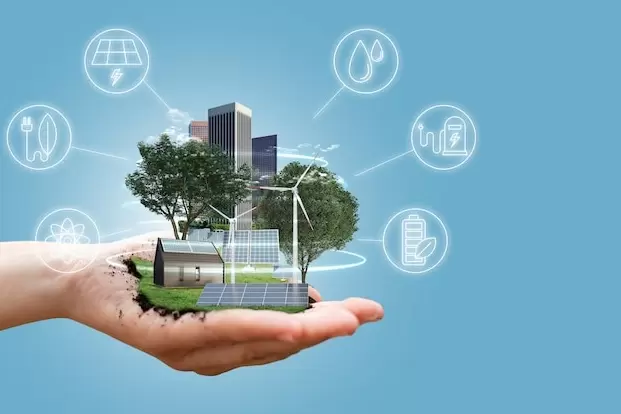
In an era defined by climate urgency and economic uncertainty, efficiency isn’t merely admirable—it’s essential. Smart energy monitoring systems provide the tools, insights, and motivation necessary to use electricity thoughtfully, responsibly, and optimally. The power to transform energy consumption lies quite literally in our hands, waiting only for awareness to spark action and technology to amplify intention into measurable impact.
Whether you’re a homeowner seeking lower utility bills, a business owner optimizing operational efficiency, or simply someone committed to reducing environmental footprint, smart energy monitoring offers a practical, proven pathway forward. The sustainable future we collectively envision begins with individual choices and actions today—and few choices offer more immediate, tangible benefits than embracing energy intelligence through smart monitoring systems. ⚡🌍
