
Anúncios
Decentralized microgrids are revolutionizing how communities access, distribute, and manage energy, offering sustainable solutions that empower local populations while reducing environmental impact.
⚡ The Dawn of Energy Independence Through Microgrids
Traditional centralized power grids have served societies for over a century, but they come with significant vulnerabilities and limitations. Decentralized microgrids represent a paradigm shift in energy infrastructure, enabling communities to generate, store, and distribute electricity locally. These self-sufficient systems integrate renewable energy sources like solar panels, wind turbines, and battery storage to create resilient power networks that can operate independently or in conjunction with the main grid.
Anúncios
The concept of decentralized energy isn’t entirely new, but technological advancements have made it increasingly viable and cost-effective. Communities worldwide are recognizing that energy sovereignty translates directly into economic empowerment, environmental sustainability, and enhanced quality of life. From remote villages in developing nations to progressive urban neighborhoods in industrialized countries, microgrids are proving their worth as practical solutions to modern energy challenges.
🌍 Understanding the Microgrid Architecture
A microgrid functions as a localized energy network comprising generation sources, energy storage systems, distribution infrastructure, and intelligent control mechanisms. Unlike traditional grids that rely heavily on fossil fuel-based centralized power plants, microgrids typically prioritize renewable energy sources, making them inherently more sustainable.
Anúncios
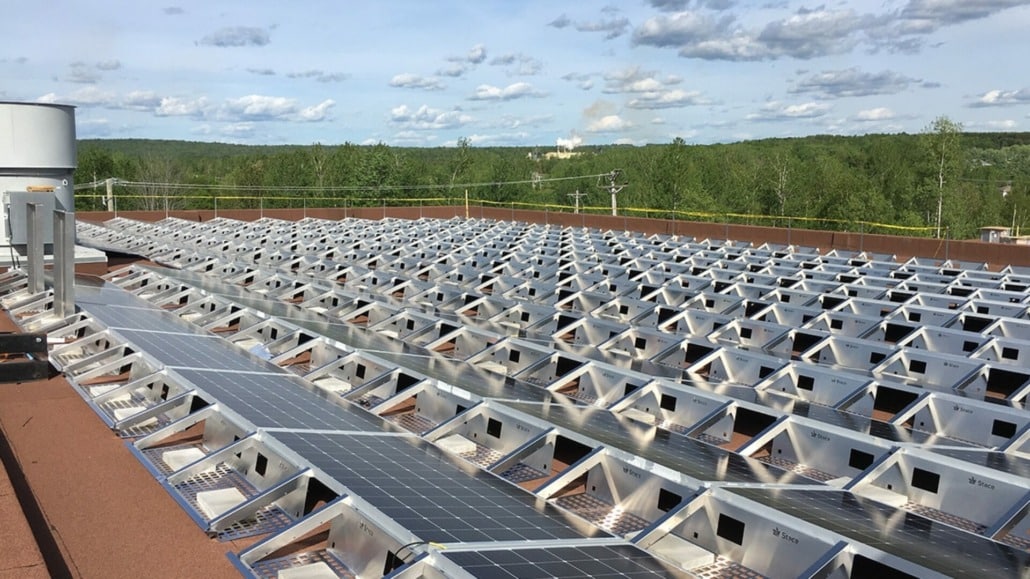
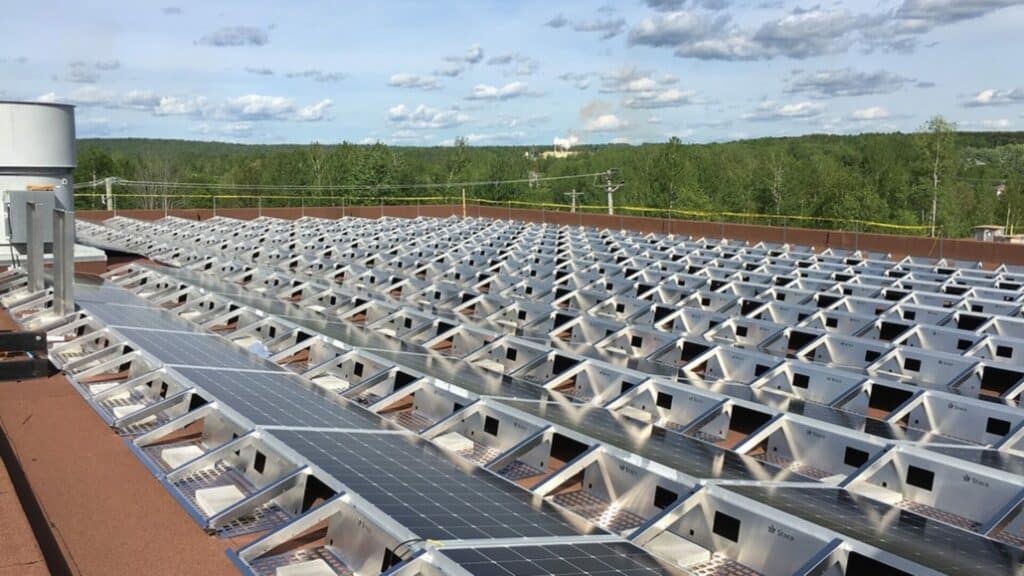
The fundamental components include distributed energy resources such as photovoltaic arrays, small-scale wind turbines, biomass generators, or hydroelectric systems. These generation assets connect to battery energy storage systems that smooth out supply fluctuations and ensure reliability. Smart inverters convert DC power to AC and manage bidirectional energy flow, while advanced control systems optimize performance based on demand patterns and generation availability.
Key Technical Components That Enable Microgrid Success
Energy management systems serve as the brain of microgrid operations, continuously monitoring generation, consumption, and storage levels. These sophisticated platforms use algorithms and sometimes artificial intelligence to predict demand, optimize renewable energy utilization, and determine when to draw from or supply power to the main grid.
Protection and safety mechanisms ensure that microgrids can seamlessly disconnect from the main grid during disturbances—a capability known as islanding. This feature proves invaluable during natural disasters, grid failures, or maintenance periods, allowing communities to maintain power when conventional infrastructure fails.
💡 Transformative Benefits for Local Communities
The advantages of decentralized microgrids extend far beyond simple electricity provision. These systems fundamentally reshape community dynamics, economic structures, and environmental footprints in ways that traditional energy infrastructure cannot match.
Economic Empowerment and Job Creation
Microgrids stimulate local economies by creating employment opportunities in installation, maintenance, and system management. Communities investing in these systems often develop specialized technical expertise, positioning themselves as leaders in renewable energy technology. The reduced dependence on imported fossil fuels keeps more financial resources circulating within local economies rather than flowing to external energy suppliers.
For businesses operating within microgrid-served areas, energy cost predictability improves financial planning. Fixed renewable energy costs contrast sharply with volatile fossil fuel prices, enabling more stable business operations and encouraging entrepreneurial ventures that might otherwise be deterred by unpredictable energy expenses.
Environmental Sustainability and Carbon Reduction
The environmental case for microgrids is compelling. By prioritizing renewable energy sources, these systems dramatically reduce greenhouse gas emissions compared to conventional grid electricity. Communities can track and take pride in their reduced carbon footprint, fostering environmental consciousness that often extends to other sustainability initiatives.
Localized generation also eliminates transmission losses that plague centralized systems, where significant energy dissipates as heat during long-distance transport. This efficiency improvement means that less generation capacity is needed to meet the same demand, further reducing environmental impact.
Enhanced Resilience Against Disruptions
Climate change is increasing the frequency and severity of extreme weather events that threaten centralized power infrastructure. Microgrids offer superior resilience because distributed generation and localized control mean that a single point of failure doesn’t compromise the entire system. During hurricanes, wildfires, floods, or ice storms that devastate traditional grids, properly designed microgrids can maintain critical services.
This resilience proves particularly valuable for essential facilities like hospitals, emergency services, water treatment plants, and communication infrastructure. Communities with microgrid-powered critical facilities can maintain functionality during disasters when surrounding areas experience blackouts.
🏘️ Real-World Success Stories Inspiring Global Adoption
Across continents, pioneering communities demonstrate the practical viability and transformative potential of decentralized microgrids. These examples provide blueprints that others can adapt to their unique circumstances.
Rural Electrification in Developing Regions
In sub-Saharan Africa, hundreds of villages have gained electricity access for the first time through solar-powered microgrids. These systems bypass the need for expensive grid extension projects that might never reach remote areas. Communities that previously relied on dangerous kerosene lamps and expensive diesel generators now enjoy clean, affordable electricity that extends productive hours, enables education after dark, and powers small businesses.
Bangladesh’s solar home system program has evolved into community-scale microgrids that serve multiple households and commercial establishments. These initiatives have demonstrated that decentralized renewable energy can be financially sustainable even in low-income settings when combined with appropriate financing mechanisms and community ownership models.
Island Communities Leading Energy Transition
Island nations and communities face unique energy challenges due to geographic isolation and reliance on expensive imported fuels. Many have become microgrid pioneers out of necessity, achieving remarkable results. The island of Ta’u in American Samoa operates entirely on a solar microgrid with battery storage, eliminating dependence on diesel fuel that previously required regular shipments.
In Europe, Scottish islands have implemented wind-powered microgrids that export excess energy to the mainland when generation exceeds local demand. This bidirectional capability transforms energy from a pure expense into a potential revenue source for communities.
Urban Neighborhoods Embracing Energy Democracy
Progressive urban neighborhoods in countries like Germany, Australia, and the United States are implementing microgrids that reflect values of sustainability and community cooperation. Brooklyn’s microgrid project enables residents to buy and sell locally generated solar energy through blockchain-based peer-to-peer transactions, creating an energy marketplace that keeps value within the community.
These urban microgrids often incorporate electric vehicle charging infrastructure, creating synergies between transportation and energy sectors while preparing communities for the electric mobility transition.
🔧 Overcoming Implementation Challenges
Despite their promise, microgrid development faces obstacles that communities must navigate thoughtfully. Understanding these challenges enables better planning and more successful outcomes.
Regulatory and Policy Barriers
Many regulatory frameworks were designed for centralized utility monopolies and don’t accommodate decentralized energy systems well. Issues around grid interconnection, power purchase agreements, and utility territory rights can complicate microgrid development. Communities must engage with regulators and policymakers to advocate for supportive policies that recognize microgrids’ value.
Progressive jurisdictions are updating regulations to facilitate microgrid deployment, creating standardized interconnection procedures and clarifying rights and responsibilities. These regulatory improvements significantly reduce development timelines and costs.
Initial Capital Requirements and Financing
The upfront investment for microgrid infrastructure can be substantial, though costs have declined dramatically as renewable energy technology matures. Communities must explore diverse financing approaches including municipal bonds, green banks, cooperative ownership models, and public-private partnerships.
Innovative financing mechanisms like power purchase agreements allow communities to implement microgrids with minimal upfront costs, paying for energy rather than infrastructure. These arrangements transfer technical and financial risk to experienced developers while enabling communities to benefit immediately from cleaner, more reliable energy.
Technical Expertise and Capacity Building
Designing, installing, and maintaining microgrids requires specialized knowledge that may not exist within all communities. Partnerships with technical universities, renewable energy organizations, and experienced developers can bridge this gap. Investing in local training programs builds long-term capacity while creating employment opportunities.
As the microgrid sector matures, standardized components and modular designs are simplifying implementation, reducing the need for highly specialized expertise for every project. This democratization of technology makes microgrids increasingly accessible to diverse communities.
🚀 Future Innovations Expanding Microgrid Potential
The microgrid sector continues evolving rapidly, with emerging technologies promising to enhance performance, reduce costs, and expand capabilities. Communities planning microgrid investments can benefit from understanding these trends.
Artificial Intelligence and Predictive Analytics
Advanced algorithms increasingly manage microgrid operations, learning consumption patterns and optimizing resource allocation with minimal human intervention. Machine learning systems can predict energy demand based on weather forecasts, historical patterns, and real-time data, ensuring optimal battery charging and discharging cycles that extend equipment lifespan.
AI-powered systems also enhance resilience by identifying potential failures before they occur, enabling proactive maintenance that prevents outages. These predictive capabilities represent a significant advantage over traditional reactive maintenance approaches.
Next-Generation Battery Technologies
Energy storage remains critical for microgrid functionality, and battery technology continues advancing rapidly. Beyond lithium-ion systems, emerging technologies like solid-state batteries, flow batteries, and even gravity-based storage promise improved performance, safety, and sustainability. These innovations will make microgrids more economical and capable of serving larger communities with greater reliability.
Blockchain and Distributed Ledger Technologies
Blockchain platforms enable transparent, automated energy transactions within microgrids without centralized intermediaries. Smart contracts can automatically execute energy trades based on predefined conditions, creating efficient peer-to-peer energy markets. This technology empowers community members to become active energy market participants rather than passive consumers.
Distributed ledger systems also enhance accountability and trust in community energy systems, providing immutable records of generation, consumption, and transactions that all stakeholders can verify.
🌱 Building Community Engagement and Ownership
Technical excellence alone doesn’t guarantee microgrid success. Community engagement, education, and inclusive governance structures prove equally important for creating sustainable energy systems that truly serve local needs.
Fostering Energy Literacy
Effective community microgrids require participants who understand basic energy concepts and their role in system success. Educational initiatives that explain renewable energy generation, storage limitations, and consumption patterns empower community members to make informed decisions that optimize system performance.
When community members understand that energy-intensive activities during peak solar generation hours maximize renewable utilization while reducing battery wear, they can adjust behaviors accordingly. This energy literacy transforms passive consumers into active participants in sustainable energy management.
Democratic Governance Models
Cooperative ownership structures ensure that community interests remain paramount in microgrid development and operation. Democratic decision-making processes for major infrastructure investments, rate structures, and system expansions give stakeholders voice and ownership. This participatory approach often yields better outcomes than top-down implementations because it incorporates diverse perspectives and local knowledge.
Transparent governance that regularly communicates system performance, financial status, and future plans builds trust and sustained community support essential for long-term success.
🎯 Strategic Roadmap for Communities Considering Microgrids
Communities interested in developing microgrids benefit from systematic planning that addresses technical, financial, regulatory, and social dimensions. A phased approach reduces risk while building momentum and demonstrating value.
Assessment and Feasibility Analysis
Initial steps involve evaluating energy needs, renewable resource availability, existing infrastructure, and community readiness. Professional feasibility studies examine technical options, estimate costs, project financial performance, and identify potential obstacles. This groundwork ensures that subsequent investments rest on solid foundations aligned with community capabilities and objectives.
Stakeholder Engagement and Partnership Development
Successful projects cultivate broad support through inclusive engagement processes that invite participation from diverse community segments. Building partnerships with utilities, government agencies, technical experts, and financial institutions creates networks of support that facilitate project success. Early wins through pilot projects or demonstration systems can build confidence and momentum for larger initiatives.
Implementation and Continuous Improvement
Phased implementation allows communities to learn and adapt as systems come online. Starting with critical facilities or particularly motivated participants creates success stories that inspire broader adoption. Continuous monitoring and optimization ensure that systems perform as expected while identifying opportunities for enhancement as technologies and community needs evolve.
🌟 The Path Forward: Energy Systems That Serve People and Planet
Decentralized microgrids represent more than technological innovation—they embody a fundamental reimagining of how communities relate to energy. By placing generation, control, and benefits at the local level, these systems align energy infrastructure with democratic values and sustainability imperatives.
The transition to decentralized renewable energy won’t happen overnight, but momentum is building as costs decline, technologies mature, and communities recognize the multiple benefits these systems deliver. Each successful microgrid project demonstrates what’s possible and inspires others to pursue energy independence.
Communities that invest in microgrids today position themselves as leaders in the inevitable energy transition while securing tangible benefits in resilience, sustainability, and economic vitality. The question isn’t whether decentralized renewable energy will play a major role in our future—it’s how quickly communities will embrace this empowering technology and begin reaping its rewards.
As climate challenges intensify and centralized infrastructure shows its limitations, the wisdom of localized, renewable, community-controlled energy systems becomes increasingly apparent. Microgrids empower communities to take charge of their energy future, creating resilient, sustainable, and equitable systems that serve both people and planet for generations to come.
