
Anúncios
Hydrogen energy stands at the forefront of our quest for sustainable power solutions, offering a clean alternative that could revolutionize how we fuel our world.
🌍 The Rising Star of Clean Energy Solutions
As climate change accelerates and fossil fuel reserves dwindle, the global community faces an urgent imperative to transition toward renewable energy sources. Hydrogen has emerged as one of the most promising candidates in this energy revolution, offering versatility, abundance, and the potential for zero-emission power generation. Unlike traditional fossil fuels that release harmful greenhouse gases, hydrogen combustion produces only water vapor as a byproduct, making it an exceptionally clean energy carrier.
Anúncios
The hydrogen economy isn’t merely a futuristic concept—it’s rapidly becoming reality. Countries worldwide are investing billions in hydrogen infrastructure, research, and development. From powering vehicles to heating homes and storing renewable energy, hydrogen’s applications span across virtually every sector of modern life. This versatile element, the most abundant in the universe, holds the key to decarbonizing industries that have historically relied on carbon-intensive processes.
Understanding Hydrogen as an Energy Carrier
Hydrogen doesn’t exist freely in nature in its pure form; instead, it must be extracted from compounds like water or natural gas. This characteristic makes hydrogen an energy carrier rather than an energy source. The energy used to produce hydrogen determines its environmental footprint, leading to a color-coded classification system that helps distinguish between production methods.
Anúncios
The Rainbow of Hydrogen Production Methods
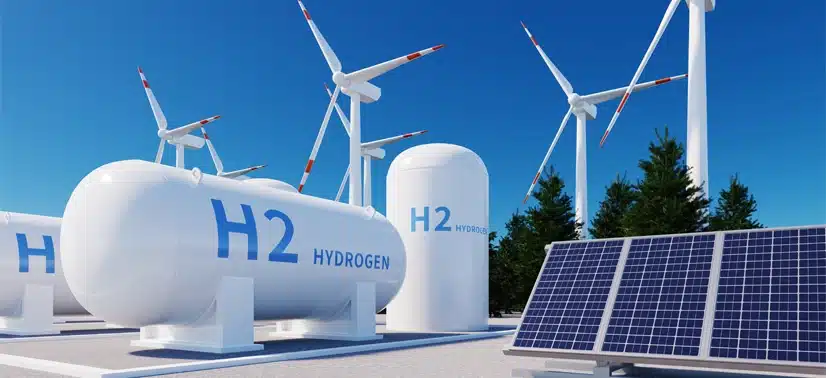
Green hydrogen represents the gold standard of hydrogen production, generated through electrolysis powered by renewable energy sources such as wind, solar, or hydroelectric power. This method produces zero carbon emissions throughout the entire production cycle, making it the most environmentally friendly option available.
Blue hydrogen involves extracting hydrogen from natural gas through steam methane reforming, but with carbon capture and storage technology to trap and sequester the CO2 emissions. While not as clean as green hydrogen, blue hydrogen serves as a transitional solution that significantly reduces carbon footprints compared to conventional methods.
Gray hydrogen, currently the most common form, is produced from natural gas without carbon capture, releasing substantial CO2 into the atmosphere. Although economically attractive due to established infrastructure and lower costs, gray hydrogen perpetuates our dependence on fossil fuels and contributes to climate change.
Turquoise hydrogen represents an emerging method using methane pyrolysis to split natural gas into hydrogen and solid carbon, potentially offering a lower-emission alternative to gray hydrogen without requiring carbon capture technology.
⚡ Revolutionary Applications Transforming Industries
The versatility of hydrogen energy extends far beyond simple fuel applications. Its unique properties enable solutions across transportation, manufacturing, power generation, and energy storage sectors.
Transportation: Driving Toward Zero Emissions
Hydrogen fuel cell vehicles represent one of the most visible applications of this technology. Unlike battery electric vehicles that require lengthy charging times, hydrogen-powered cars can refuel in minutes, offering convenience comparable to conventional gasoline vehicles while emitting only water vapor. Major automotive manufacturers have invested heavily in fuel cell technology, developing passenger vehicles, buses, trucks, and even trains powered by hydrogen.
The aviation industry is exploring hydrogen as a potential solution for decarbonizing air travel. Several aerospace companies are developing hydrogen-powered aircraft designs, recognizing that battery technology alone cannot meet the energy density requirements for long-haul flights. Hydrogen’s high energy-to-weight ratio makes it particularly attractive for aviation applications.
Maritime transportation is also turning to hydrogen solutions. Ships powered by hydrogen fuel cells or hydrogen-derived fuels could dramatically reduce the shipping industry’s carbon footprint, which currently accounts for approximately 3% of global greenhouse gas emissions.
Industrial Applications Revolutionizing Manufacturing
Heavy industries like steel production, chemical manufacturing, and refining have traditionally relied on carbon-intensive processes. Hydrogen offers pathways to decarbonize these sectors. Steel manufacturers are developing direct reduction processes using hydrogen instead of coal, potentially eliminating one of the largest industrial sources of CO2 emissions.
The chemical industry already uses substantial amounts of hydrogen for producing ammonia, methanol, and various petrochemicals. Transitioning from gray to green hydrogen in these applications could significantly reduce the sector’s environmental impact without requiring fundamental process redesigns.
🔋 Energy Storage: Solving Renewable Energy’s Greatest Challenge
One of renewable energy’s most significant obstacles is intermittency—the sun doesn’t always shine, and the wind doesn’t always blow. Hydrogen provides a compelling solution to this challenge through long-duration energy storage.
Excess renewable electricity can power electrolyzers to produce hydrogen during periods of high generation and low demand. This hydrogen can be stored for extended periods and later converted back to electricity using fuel cells or combustion turbines when renewable generation falls short of demand. Unlike batteries that degrade over time and lose charge, hydrogen can be stored indefinitely without energy loss.
Power-to-gas systems integrate hydrogen into existing natural gas networks, allowing for massive-scale energy storage using current infrastructure. Hydrogen can be blended with natural gas up to certain concentrations or converted into synthetic methane for full compatibility with existing pipeline systems.
Infrastructure Development: Building Tomorrow’s Energy Networks
Realizing hydrogen’s full potential requires substantial infrastructure investment spanning production facilities, transportation networks, storage systems, and distribution points.
Production Facilities and Electrolyzer Technology
Large-scale electrolyzer facilities are being constructed worldwide to meet growing green hydrogen demand. These plants use renewable electricity to split water molecules into hydrogen and oxygen. Technological advances continue improving electrolyzer efficiency and reducing costs, making green hydrogen increasingly competitive with conventional fuels.
Dedicated hydrogen production hubs are emerging near renewable energy resources and industrial centers. These clusters benefit from economies of scale and shared infrastructure, reducing overall costs and accelerating adoption.
Transportation and Distribution Networks
Hydrogen can be transported through pipelines, similar to natural gas, though hydrogen’s small molecular size and reactivity present unique engineering challenges. Some existing natural gas pipelines can be retrofitted for hydrogen transport, while new dedicated hydrogen pipelines are being planned and constructed.
For regions without pipeline access, hydrogen can be transported as compressed gas in high-pressure tanks, as liquid hydrogen in cryogenic containers, or bound in chemical carriers like ammonia or liquid organic hydrogen carriers (LOHCs). Each method involves trade-offs between energy density, safety considerations, and infrastructure requirements.
💰 Economic Considerations and Cost Competitiveness
The economics of hydrogen energy are rapidly evolving as technology improves and production scales up. Currently, green hydrogen costs more than fossil fuel alternatives, but projections indicate price parity could be achieved within the next decade.
Production costs depend primarily on electricity prices and electrolyzer efficiency. As renewable energy becomes cheaper and electrolyzer technology advances, green hydrogen production costs continue declining. Some analysts predict green hydrogen could become the cheapest form of hydrogen production in many regions by 2030.
Government policies and carbon pricing mechanisms significantly influence hydrogen economics. Carbon taxes make fossil fuels more expensive while subsidies and incentives improve green hydrogen’s competitiveness. Many countries have implemented hydrogen strategies with substantial funding to accelerate development and deployment.
🔬 Technological Innovations Driving Progress Forward
Continuous research and development are addressing current limitations and unlocking new possibilities for hydrogen energy systems.
Advanced Electrolyzer Technologies
Next-generation electrolyzers promise higher efficiencies, lower costs, and greater flexibility. Proton exchange membrane (PEM) electrolyzers offer rapid response times ideal for coupling with variable renewable energy sources. Solid oxide electrolyzers operate at high temperatures, achieving superior efficiencies and potentially utilizing waste heat from industrial processes.
Fuel Cell Advancements
Fuel cell technology has improved dramatically, with modern systems achieving efficiencies exceeding 60% while becoming more durable and less expensive. Researchers are developing catalyst materials that reduce or eliminate dependence on expensive platinum group metals, further lowering costs.
Storage Solutions
Innovative storage technologies are making hydrogen easier and safer to handle. Metal hydrides and other chemical storage methods offer high volumetric density at lower pressures than compressed gas. Underground storage in salt caverns provides massive storage capacity for seasonal energy balancing.
🌱 Environmental Benefits Beyond Carbon Reduction
While eliminating carbon emissions represents hydrogen’s most celebrated environmental benefit, its advantages extend further. Hydrogen combustion produces no nitrogen oxides when burned at appropriate temperatures in pure oxygen, eliminating major air pollutants that contribute to respiratory diseases and smog formation.
The water used in electrolysis can potentially be sourced from seawater with proper desalination, reducing pressure on freshwater resources. The oxygen byproduct from electrolysis has valuable industrial applications, creating additional revenue streams and resource efficiency.
Hydrogen enables the decarbonization of sectors where direct electrification proves impractical or impossible, such as high-temperature industrial processes, long-haul transportation, and seasonal energy storage. This versatility makes hydrogen essential for achieving comprehensive decarbonization across entire economies.
⚠️ Challenges and Safety Considerations
Despite its tremendous potential, hydrogen energy faces legitimate challenges that must be addressed for widespread adoption.
Hydrogen’s flammability requires careful handling and robust safety protocols. However, hydrogen has been used safely in industrial applications for decades, and comprehensive safety standards exist. Modern hydrogen systems incorporate multiple redundant safety features, and hydrogen’s rapid diffusion means it disperses quickly in case of leaks, unlike heavier gasoline vapors that pool and create persistent hazards.
Energy efficiency represents another consideration. The conversion process from electricity to hydrogen and back to electricity involves energy losses at each step. However, for applications requiring long-duration storage or where direct electrification isn’t feasible, hydrogen remains the most practical solution despite efficiency trade-offs.
Infrastructure development requires substantial upfront investment and coordination across multiple stakeholders. Governments, energy companies, and industrial consumers must collaborate to create integrated hydrogen ecosystems that deliver value throughout the supply chain.
🌐 Global Initiatives and Regional Leadership
Countries worldwide are positioning themselves as leaders in the emerging hydrogen economy. The European Union has committed to installing 40 gigawatts of renewable hydrogen electrolyzer capacity by 2030. Germany has invested billions in national hydrogen strategies and international partnerships to secure clean hydrogen supplies.
Japan pioneered hydrogen society concepts, investing heavily in fuel cell vehicles, residential fuel cell systems, and hydrogen infrastructure. The country imports hydrogen and plans to become a major market for international hydrogen trade.
Australia leverages its abundant renewable energy resources to position itself as a major hydrogen exporter. Large-scale projects are underway to produce green hydrogen for domestic use and export to energy-hungry Asian markets.
The United States has increased hydrogen investments through infrastructure legislation and clean energy initiatives, focusing on developing regional hydrogen hubs and advancing electrolyzer manufacturing capabilities.
🚀 The Path Forward: Realizing Hydrogen’s Promise
Hydrogen energy stands at a critical juncture. The technology exists, costs are declining, and political will is building. Success requires sustained commitment from governments, strategic investments from industry, and continued technological innovation from researchers.
Integration with renewable energy systems will prove essential. Hydrogen production should increasingly utilize curtailed renewable electricity that would otherwise be wasted, improving both renewable project economics and hydrogen production costs.
International cooperation will accelerate progress through shared standards, collaborative research, and open hydrogen trade. Just as oil and natural gas flow globally, hydrogen and hydrogen-derived fuels will likely become internationally traded commodities.
Education and workforce development must prepare workers for the hydrogen economy. New skills in electrolyzer operation, fuel cell maintenance, and hydrogen safety will create employment opportunities in manufacturing, construction, and operations.
💡 A Cleaner Energy Horizon Awaits
The transition to hydrogen energy represents more than technological evolution—it embodies our commitment to sustainable prosperity for future generations. As production costs decline, infrastructure expands, and applications multiply, hydrogen will increasingly power our vehicles, heat our buildings, fuel our industries, and store our renewable energy.
Challenges remain, but the momentum behind hydrogen energy grows stronger daily. Governments are crafting supportive policies, industries are making substantial investments, and technologies are rapidly improving. The convergence of environmental necessity, economic opportunity, and technological capability creates an unprecedented moment for hydrogen to fulfill its potential.
The hydrogen economy isn’t coming—it’s already here, growing and evolving. Every new electrolyzer facility, fuel cell vehicle, and industrial application brings us closer to a sustainable energy future. By harnessing hydrogen’s power thoughtfully and strategically, we can fuel tomorrow with clean, abundant energy while protecting the planet we call home.
The future powered by hydrogen promises not just cleaner air and reduced emissions, but energy security, economic opportunities, and technological innovation that will define the 21st century. As we stand at this energy crossroads, hydrogen lights the path toward a truly sustainable tomorrow.
