

Anúncios
Urban environments are experiencing a green revolution as cities worldwide embrace innovative solutions like green roofs and vertical gardens to combat concrete dominance.
The transformation of urban landscapes through vegetation integration represents more than aesthetic enhancement—it’s a critical response to environmental challenges facing modern cities. As metropolitan areas expand and green spaces shrink, architects, urban planners, and environmentalists are increasingly turning to vertical and rooftop solutions to reintroduce nature into our daily lives. These living installations offer practical benefits while creating visually stunning environments that challenge traditional notions of urban design.
Anúncios
The concept of greening our cities vertically and overhead addresses multiple urban challenges simultaneously. From reducing the heat island effect to improving air quality, managing stormwater runoff, and enhancing biodiversity, these green interventions serve as multifunctional tools in the urban planning toolkit. As climate change intensifies and cities become denser, the importance of these natural installations continues to grow exponentially.
🌿 Understanding Green Roofs: Gardens Above the City
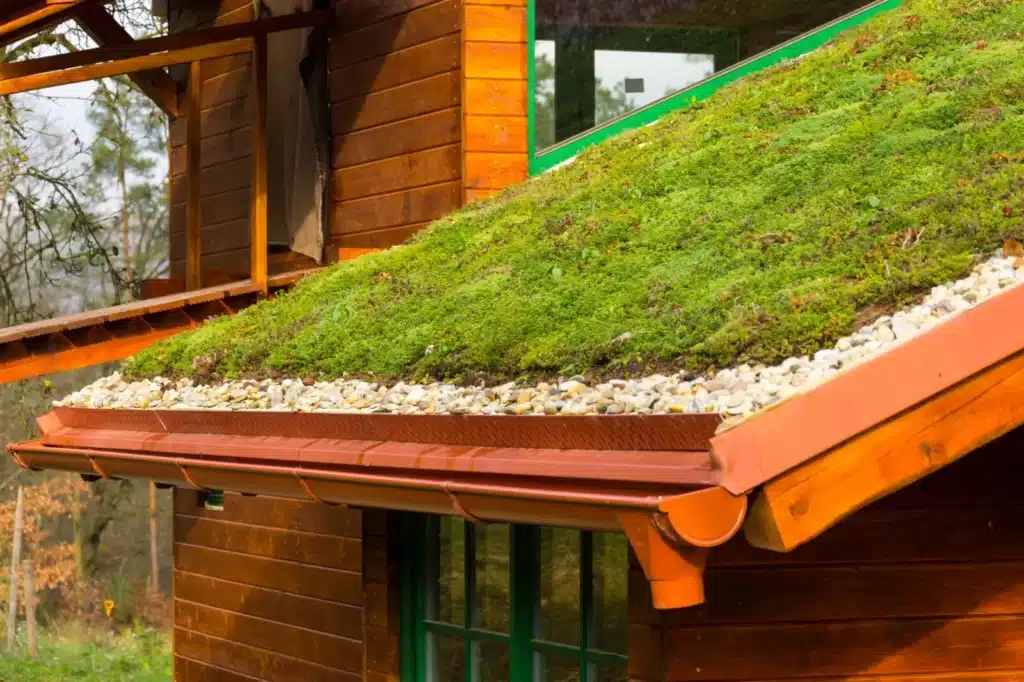
Green roofs, also known as living roofs or vegetated roofs, transform unused rooftop spaces into functional ecosystems. These installations consist of multiple layers working together to support plant life while protecting the building structure beneath. The fundamental design includes a waterproofing membrane, drainage system, growing medium, and carefully selected vegetation adapted to rooftop conditions.
Anúncios
There are two primary types of green roofs that serve different purposes and require varying levels of maintenance. Extensive green roofs feature shallow growing media—typically 2 to 6 inches deep—and support drought-resistant plants like sedum, mosses, and grasses. These lightweight systems require minimal maintenance and are ideal for buildings with limited structural capacity. Intensive green roofs, conversely, resemble traditional gardens with deeper soil profiles ranging from 6 inches to several feet, supporting diverse plant species including shrubs, small trees, and even vegetable gardens.
The historical roots of green roofs stretch back centuries. Ancient civilizations incorporated vegetation into building design, with the Hanging Gardens of Babylon standing as perhaps the most legendary example. Scandinavian countries maintained traditional sod roofs for insulation purposes, while modern green roof technology emerged in Germany during the 1960s, driven by environmental concerns and energy efficiency goals.
Environmental Benefits That Reach Beyond Aesthetics
Green roofs deliver measurable environmental advantages that extend throughout the surrounding urban ecosystem. Temperature regulation stands among the most significant benefits—vegetation and soil act as natural insulators, reducing heating costs in winter and cooling expenses during summer months. Studies demonstrate that green roofs can lower surface temperatures by up to 30-40 degrees Fahrenheit compared to conventional roofs, directly combating the urban heat island effect.
Stormwater management represents another critical advantage in cities where impervious surfaces create flooding challenges. Green roofs absorb substantial rainfall volumes, with extensive systems retaining 40-60% of annual precipitation and intensive installations capturing even more. This natural filtration reduces pressure on municipal drainage systems while preventing pollutants from entering waterways.
Air quality improvements occur as plants filter particulates and absorb carbon dioxide while releasing oxygen. A 2,000-square-foot green roof can remove approximately 40 pounds of particulates annually from the air while sequestering carbon—a small but meaningful contribution when scaled across an entire cityscape.
🏙️ Vertical Gardens: Nature Climbing Skyward
Vertical gardens, living walls, or green facades bring vegetation to building exteriors and interior spaces where horizontal space is limited. These installations range from simple climbing plant systems to sophisticated modular structures incorporating irrigation technology, growing media, and diverse plant species arranged in artistic patterns that transform blank walls into living canvases.
The versatility of vertical garden systems allows implementation in virtually any urban setting. Exterior applications include building facades, parking structures, highway sound barriers, and freestanding installations in plazas or courtyards. Interior vertical gardens enhance office buildings, shopping centers, airports, and residential spaces, bringing biophilic design principles into environments typically disconnected from nature.
Patrick Blanc, a French botanist, pioneered modern vertical garden technology in the 1980s, developing hydroponic systems that support plant growth without soil. His installations worldwide demonstrated that living walls could thrive in diverse climates and architectural contexts, inspiring a global movement toward vertical greening.
Types and Technologies Supporting Vertical Growth
Several vertical garden systems cater to different structural conditions, maintenance capabilities, and aesthetic goals. Green facades feature climbing plants growing from ground-level soil or planters, supported by cables, trellises, or mesh systems attached to building exteriors. These systems offer cost-effective greening with relatively simple installation and maintenance requirements.
Modular panel systems consist of pre-vegetated containers mounted on structural frameworks attached to walls. These units typically incorporate growing media, irrigation systems, and diverse plant selections, allowing creative arrangements and relatively easy plant replacement when necessary. The modular approach suits both exterior and interior applications.
Felt or textile systems represent sophisticated solutions where plants grow in pockets of fabric material supported by structural frames. These lightweight installations work particularly well for interior applications and situations where weight restrictions apply. Hydroponic vertical gardens eliminate soil entirely, delivering nutrients through water-based solutions circulated throughout the system.
🌱 The Biodiversity Connection: Creating Urban Habitats
Green roofs and vertical gardens function as ecological stepping stones and habitat islands within urban environments. These green installations provide crucial refuge for pollinators, birds, and insects struggling to survive in cities dominated by concrete and glass. Research indicates that properly designed green roofs can support remarkable biodiversity levels, sometimes exceeding nearby ground-level green spaces.
Plant selection significantly influences biodiversity outcomes. Native species adapted to local climate conditions require less maintenance while providing appropriate food sources and habitat structures for indigenous wildlife. Diverse plant communities supporting flowering sequences throughout growing seasons ensure consistent nectar and pollen availability for pollinators navigating urban landscapes.
Cities implementing comprehensive green infrastructure networks create interconnected habitat corridors that facilitate wildlife movement between isolated green patches. This connectivity proves essential for maintaining genetic diversity within urban wildlife populations and supporting ecosystem resilience in the face of environmental change.
Social and Psychological Wellness Benefits
The human connection to nature—biophilia—drives measurable health and wellbeing improvements when vegetation integrates into urban environments. Access to green spaces correlates with reduced stress levels, improved mental health outcomes, enhanced cognitive function, and faster recovery from illness. Green roofs and vertical gardens bring these benefits directly into densely developed areas where traditional parks may be limited.
Workplace productivity increases in environments featuring indoor plants and views of vegetation. Studies demonstrate that offices incorporating living walls experience reduced absenteeism, improved employee satisfaction, and enhanced creative thinking. Educational facilities with green elements show improved student concentration and academic performance.
Community-accessible green roofs create valuable social gathering spaces in neighborhoods lacking parks. These rooftop gardens facilitate social interaction, urban agriculture initiatives, and environmental education opportunities while providing psychological refuge from the urban bustle below.
💡 Economic Considerations and Return on Investment
While green roofs and vertical gardens require higher initial investment compared to conventional alternatives, long-term economic benefits often justify the expense. Energy savings accumulate through improved insulation properties—green roofs can reduce cooling energy needs by 25-75% during summer months, with heating cost reductions reaching 25% in winter.
Extended roof lifespan provides substantial economic advantage. Vegetation and growing media protect waterproofing membranes from UV radiation, temperature extremes, and physical damage, potentially doubling or tripling membrane longevity. This protection translates to delayed replacement costs and reduced maintenance expenses over building lifecycles.
Property value increases represent another economic benefit. Buildings featuring green infrastructure command premium rental rates and sales prices, particularly in markets where sustainability features attract tenants and buyers. Commercial properties benefit from enhanced corporate image and employee recruitment advantages associated with environmentally progressive facilities.
Many municipalities offer financial incentives encouraging green infrastructure adoption. These programs include grants, tax credits, stormwater fee reductions, density bonuses, and expedited permitting processes. Such incentives significantly improve project economics while advancing municipal sustainability goals.
🔧 Design Considerations and Implementation Challenges
Successful green roof and vertical garden implementation requires careful planning addressing structural, environmental, and maintenance factors. Structural capacity assessment proves critical—existing buildings may require reinforcement to support additional weight from growing media, plants, and water. Collaboration between architects, structural engineers, and horticulturists ensures designs that are both feasible and sustainable.
Microclimate conditions on rooftops and vertical surfaces differ dramatically from ground-level gardens. Increased wind exposure, temperature extremes, variable sun exposure, and limited water availability create challenging growing conditions. Plant selection must account for these factors, favoring species adapted to stress conditions while matching aesthetic and functional objectives.
Irrigation systems require thoughtful design balancing plant water needs with conservation goals. Drip irrigation, moisture sensors, and rainwater collection systems optimize water efficiency while maintaining plant health. Some installations successfully operate with minimal supplemental irrigation after establishment periods, particularly extensive green roofs featuring drought-tolerant species.
Maintenance Requirements for Long-Term Success
Ongoing maintenance ensures green installations remain healthy and functional throughout their intended lifespans. Extensive green roofs typically require 2-4 annual maintenance visits for weeding, inspection, and occasional plant replacement. Intensive green roofs and complex vertical gardens demand more frequent attention comparable to traditional landscape maintenance.
Irrigation system monitoring prevents failures that could compromise plant health. Regular inspections identify clogged emitters, broken components, and system malfunctions before extensive damage occurs. Fertilization needs vary depending on plant selections and growing media characteristics, with many extensive systems requiring minimal supplemental nutrients.
Seasonal considerations influence maintenance timing and activities. Spring inspections assess winter damage and prepare systems for growing seasons. Fall maintenance includes removing debris, cutting back dead vegetation, and preparing plants for dormancy. Regular monitoring allows early intervention addressing pest infestations, diseases, or other issues before they escalate.
🌍 Global Examples Leading Urban Green Innovation
Cities worldwide demonstrate innovative approaches to integrating green roofs and vertical gardens into urban fabric. Singapore’s commitment to becoming a “City in a Garden” includes policies requiring new developments to replace lost greenery, driving extensive vertical greening initiatives. The city’s Parkroyal Collection Pickering hotel features dramatic sky gardens integrated throughout its architecture, setting benchmarks for tropical urban greening.
Copenhagen’s comprehensive green roof strategy includes requirements for living roofs on new buildings with roof slopes below 30 degrees. The city aims to become carbon-neutral by 2025, with green infrastructure playing a crucial role in achieving this ambitious target.
Toronto implemented North America’s first mandatory green roof bylaw in 2009, requiring residential, commercial, and institutional buildings over specific sizes to incorporate green roofs. This policy has resulted in hundreds of green roof installations across the city, contributing measurably to stormwater management and urban heat island reduction.
Milan’s Bosco Verticale (Vertical Forest) towers incorporate over 900 trees and thousands of shrubs and plants on high-rise residential buildings. This bold project demonstrates how vertical greening can achieve unprecedented scale, creating genuine forest ecosystems within dense urban contexts.
🚀 Future Directions: Technology and Innovation
Emerging technologies promise to enhance green roof and vertical garden performance while reducing implementation barriers. Smart irrigation systems incorporating weather data, soil moisture sensors, and AI-driven analytics optimize water usage and plant health. These automated systems reduce maintenance requirements while improving sustainability outcomes.
Modular, lightweight growing media innovations decrease structural load requirements, making installations feasible on buildings previously unsuitable for greening. Research into substrate compositions balances water retention, drainage, nutrient availability, and weight considerations, expanding the range of possible applications.
Integration with building energy systems creates synergies improving overall sustainability performance. Green roofs combined with solar panels—biosolar roofs—demonstrate that vegetation and renewable energy generation can coexist beneficially, with plants cooling panels and improving photovoltaic efficiency while panels provide partial shade extending plant selection options.
Urban agriculture integration transforms green roofs and vertical gardens into food production systems supplementing urban food supplies. Rooftop farms in cities like New York, Paris, and Hong Kong demonstrate commercial viability while reconnecting urban populations with food sources and agricultural processes.
🌟 Making Green Infrastructure Accessible and Scalable
Widespread adoption of green roofs and vertical gardens requires addressing knowledge gaps, cost barriers, and regulatory obstacles. Educational initiatives targeting architects, developers, building owners, and policymakers build capacity for designing, implementing, and maintaining green infrastructure. Professional certification programs ensure qualified practitioners deliver quality installations.
Policy frameworks encouraging or requiring green infrastructure accelerate adoption while ensuring minimum performance standards. Zoning modifications, building codes, and incentive programs create favorable conditions for investment in vegetated building elements. Successful policies balance mandates with flexibility, recognizing diverse building types, climates, and local conditions.
Community-scale initiatives democratize access to green infrastructure benefits. Demonstration projects, neighborhood greening programs, and public education campaigns build awareness while developing local expertise. Small-scale installations on residential buildings, schools, and community facilities prove that green infrastructure isn’t limited to prestigious commercial developments.
The transformation of concrete jungles into vibrant, living cities represents an ongoing journey rather than a destination. Each green roof installed and every vertical garden planted contributes to healthier, more resilient, and more beautiful urban environments. As climate challenges intensify and urban populations grow, these living installations transition from innovative experiments to essential urban infrastructure components. By bringing nature back into our cities—above, around, and throughout—we create spaces where both human communities and ecological systems can thrive together, proving that urban development and environmental stewardship need not be opposing forces but rather complementary aspects of thoughtful city building.
