
Anúncios
The future of our cities depends on how we design, build, and manage urban spaces today. Sustainable urban development isn’t just an environmental concern—it’s about creating livable, resilient, and thriving communities for generations to come.
As the global population continues to migrate toward urban centers, with projections suggesting that nearly 70% of the world’s population will live in cities by 2050, the urgency for sustainable urban planning has never been greater. Cities are responsible for approximately 75% of global carbon emissions and consume about two-thirds of the world’s energy, making them critical battlegrounds in the fight against climate change.
Anúncios
The concept of sustainable urban development emerged from the broader sustainability movement, recognizing that urban areas must balance economic growth, social equity, and environmental protection. This holistic approach acknowledges that cities are complex ecosystems where transportation, housing, infrastructure, and natural resources are deeply interconnected.
🌱 Understanding the Foundation of Sustainable Urbanism
Sustainable urban development rests on the principle that cities should meet the needs of current residents without compromising the ability of future generations to meet their own needs. This definition, adapted from the Brundtland Commission’s broader sustainability concept, requires a fundamental shift in how we think about urban growth.
Anúncios
Traditional urban planning often prioritized economic expansion and convenience, leading to sprawling suburbs, car-dependent infrastructure, and environmental degradation. Sustainable urbanism, by contrast, emphasizes compact, mixed-use development that reduces resource consumption while enhancing quality of life.
The transformation toward greener cities requires understanding several core dimensions. Environmental sustainability focuses on reducing ecological footprints through energy efficiency, waste reduction, and biodiversity preservation. Economic sustainability ensures that cities remain financially viable and provide opportunities for all residents. Social sustainability promotes inclusive communities where everyone has access to housing, services, and public spaces.
Smart Density and Compact Urban Design 🏙️
One of the most powerful principles in sustainable urban development is smart density. This approach concentrates residential, commercial, and recreational spaces within walkable neighborhoods, reducing the need for long commutes and preserving green space beyond city boundaries.
High-density development doesn’t mean sacrificing livability. Cities like Copenhagen, Singapore, and Vancouver demonstrate that well-planned density creates vibrant neighborhoods with excellent access to amenities, public transportation, and community spaces. These compact districts support local businesses, foster social connections, and dramatically reduce per-capita energy consumption.
Mixed-use zoning is essential to smart density. When residential areas include shops, offices, schools, and parks, residents can accomplish daily tasks without lengthy travel. This integration reduces traffic congestion, lowers emissions, and creates more dynamic, self-sufficient neighborhoods.
The Role of Urban Boundaries
Implementing urban growth boundaries helps cities grow upward and inward rather than outward. Portland, Oregon, pioneered this approach in the United States, establishing clear limits to urban expansion that have preserved agricultural land and natural areas while encouraging infill development and neighborhood revitalization.
These boundaries don’t stifle growth—they redirect it toward more sustainable patterns. By making land within the urban core more valuable, cities incentivize developers to build more efficiently and creatively, often resulting in innovative architecture and better use of existing infrastructure.
🚴 Reimagining Transportation and Mobility
Transportation accounts for a significant portion of urban carbon emissions and profoundly affects quality of life. Sustainable cities prioritize public transit, walking, and cycling over private automobile use, creating transportation systems that are efficient, accessible, and environmentally responsible.
Complete streets policies ensure that roadways accommodate all users—pedestrians, cyclists, transit riders, and drivers—rather than prioritizing cars exclusively. These designs include wide sidewalks, protected bike lanes, frequent crosswalks, and dedicated bus lanes that make non-automobile transportation safe and convenient.
Investment in mass transit infrastructure yields multiple benefits. Subway systems, light rail, and bus rapid transit reduce traffic congestion, lower emissions, and provide affordable mobility options. Cities like Tokyo, Zurich, and Barcelona have demonstrated that world-class public transportation can be the backbone of urban life when properly funded and designed.
Electrification and Shared Mobility
The transition to electric vehicles represents a crucial step toward decarbonizing urban transportation. Cities can accelerate this shift by installing charging infrastructure, offering incentives for electric vehicle adoption, and electrifying public transportation fleets.
Shared mobility services, including bike-sharing, car-sharing, and ride-pooling, reduce the number of vehicles needed while maintaining accessibility. These services work best when integrated with public transit systems, creating seamless multi-modal transportation networks that make car ownership less necessary.
Green Infrastructure and Nature-Based Solutions 🌳
Integrating nature into urban environments provides numerous ecosystem services while enhancing livability. Green infrastructure refers to strategically planned networks of natural and semi-natural areas that manage water, reduce heat, improve air quality, and support biodiversity.
Urban forests and tree canopy coverage are among the most cost-effective investments cities can make. Trees reduce the urban heat island effect, absorb carbon dioxide, filter air pollutants, and provide psychological benefits. Singapore’s commitment to being a “city in a garden” has resulted in extensive urban greening that keeps temperatures lower and creates beautiful public spaces.
Green roofs and walls transform buildings into ecological assets. These installations provide insulation, reduce stormwater runoff, create habitats for wildlife, and offer aesthetic benefits. Cities like Stuttgart, Germany, have pioneered policies encouraging green roofs, resulting in thousands of buildings contributing to urban sustainability.
Water Sensitive Urban Design
Managing water sustainably is critical as climate change brings more frequent droughts and intense rainfall events. Water sensitive urban design incorporates features like rain gardens, bioswales, permeable pavements, and constructed wetlands that mimic natural hydrology.
These systems reduce flooding by absorbing rainwater where it falls, filter pollutants before they reach waterways, and recharge groundwater supplies. Melbourne, Australia, has embraced water sensitive design principles, transforming how the city manages this precious resource while creating attractive streetscapes.
⚡ Energy Efficiency and Renewable Power
Buildings account for approximately 40% of global energy consumption, making them a primary target for sustainability efforts. Green building standards like LEED, BREEAM, and Passive House establish benchmarks for energy efficiency, water conservation, and indoor environmental quality.
New construction offers opportunities to incorporate energy-efficient design from the outset, including optimal orientation, high-performance insulation, efficient HVAC systems, and smart building technologies. However, retrofitting existing buildings presents the greater challenge and opportunity, as the vast majority of structures that will exist in 2050 have already been built.
Cities can incentivize retrofits through rebate programs, financing mechanisms, and building performance standards. New York City’s Local Law 97, which sets carbon emission limits for large buildings, exemplifies how regulations can drive widespread improvements in building efficiency.
Distributed Renewable Energy
Transitioning to renewable energy sources is fundamental to sustainable urban development. Rooftop solar installations, community solar gardens, and urban wind turbines allow cities to generate clean power locally, reducing transmission losses and increasing energy resilience.
Smart grids and energy storage systems enable cities to integrate variable renewable energy sources effectively. Battery storage, vehicle-to-grid technology, and demand response programs help balance supply and demand, making renewable energy reliable and cost-effective.
♻️ Circular Economy and Waste Management
Linear “take-make-dispose” economic models generate enormous waste and deplete natural resources. Circular economy principles, by contrast, design waste out of systems by keeping materials in use through reuse, repair, refurbishment, and recycling.
Cities can facilitate circular economies by implementing comprehensive recycling and composting programs, supporting repair cafes and sharing platforms, and establishing industrial symbiosis networks where one company’s waste becomes another’s raw material.
Zero waste goals, adopted by cities like San Francisco and Ljubljana, drive innovation in waste prevention and resource recovery. These ambitious targets require systemic changes in how products are designed, consumed, and managed at end-of-life.
Food Systems and Urban Agriculture
Sustainable cities recognize that food systems significantly impact environmental footprints and community health. Urban agriculture—including community gardens, rooftop farms, and vertical farming facilities—brings food production closer to consumers, reducing transportation emissions and increasing food security.
Supporting local food systems through farmers markets, food hubs, and farm-to-institution programs strengthens regional economies while reducing the environmental impact of food supply chains. Cities like Detroit have embraced urban agriculture as a strategy for revitalization and community building.
🏘️ Inclusive and Equitable Development
Sustainability cannot be achieved without addressing social equity. Gentrification and displacement often accompany urban improvement projects, pricing out long-time residents and perpetuating inequality. Truly sustainable development ensures that benefits are shared broadly and vulnerable populations are protected.
Affordable housing policies are essential to inclusive cities. Inclusionary zoning, community land trusts, and social housing programs help maintain economic diversity in rapidly developing neighborhoods. Vienna’s social housing system demonstrates how cities can provide high-quality, affordable housing at scale.
Environmental justice requires ensuring that all communities have access to green spaces, clean air, and healthy environments. Historically, low-income communities and communities of color have borne disproportionate environmental burdens. Sustainable urban planning must actively work to correct these inequities.
🔄 Adaptive Governance and Community Engagement
Implementing sustainable urban development requires effective governance structures that can coordinate across departments, jurisdictions, and sectors. Many sustainability challenges—like regional transportation or watershed management—transcend municipal boundaries, requiring metropolitan cooperation.
Participatory planning processes ensure that development reflects community values and needs. When residents have meaningful input into neighborhood plans, public spaces, and development projects, outcomes are more sustainable and enjoy greater public support.
Digital tools can enhance civic engagement and urban management. Open data platforms, participatory budgeting applications, and real-time monitoring systems make cities more transparent and responsive to resident needs.
Measuring Progress and Accountability
What gets measured gets managed. Cities need comprehensive indicator systems to track progress toward sustainability goals. Metrics should cover environmental performance, economic vitality, social equity, and governance effectiveness.
Frameworks like the UN Sustainable Development Goals, C40 Cities Climate Leadership Group benchmarks, and LEED for Cities provide standardized approaches to measuring and comparing urban sustainability performance. Regular reporting creates accountability and helps cities learn from each other.
🌍 Building Resilience in an Uncertain Future
Climate change brings increased uncertainty, with more frequent extreme weather events, sea-level rise, and shifting temperature patterns. Resilient cities can withstand and recover from shocks while adapting to changing conditions.
Climate adaptation strategies vary by location but often include flood protection infrastructure, heat action plans, drought-resistant landscaping, and emergency preparedness systems. Rotterdam’s approach to flood management—embracing water rather than simply trying to keep it out—illustrates innovative adaptation.
Resilience extends beyond climate to economic and social systems. Diversified economies, strong social networks, and redundant critical infrastructure help cities weather various disruptions, from pandemics to economic downturns.
🚀 The Path Forward: Making Sustainability Standard Practice
Transforming our cities requires sustained commitment from government leaders, businesses, community organizations, and residents. While the challenges are substantial, the opportunities are equally significant. Sustainable urban development creates jobs, improves public health, reduces inequality, and enhances quality of life while protecting the environment.
No single city has perfected sustainable urbanism, but leading examples demonstrate what’s possible. Copenhagen’s carbon neutrality goals, Singapore’s green innovation, Barcelona’s superblocks, and Medellín’s social urbanism show different pathways toward more sustainable cities.
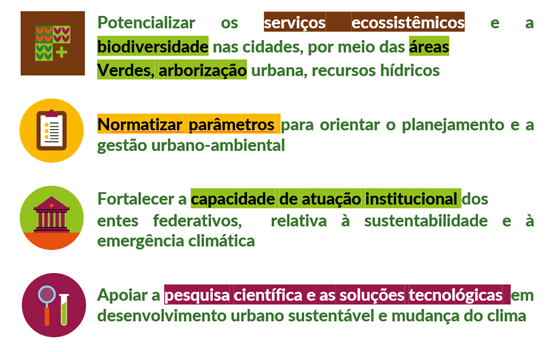
The principles outlined here—smart density, sustainable transportation, green infrastructure, energy efficiency, circular economy, social equity, adaptive governance, and resilience—provide a framework for action. Each city must adapt these principles to its unique context, resources, and challenges.
Technology will play an important role, but sustainable urbanism is fundamentally about values and priorities. It requires choosing long-term wellbeing over short-term convenience, collective benefit over individual advantage, and environmental stewardship over exploitation.
The transition to sustainable cities is already underway in communities around the world. Every building retrofit, bike lane, urban forest, and participatory planning process contributes to this transformation. As more cities demonstrate the benefits of sustainable development, momentum will build, making green urbanism not just an aspiration but the standard practice.
Our urban future is being shaped by decisions made today. By embracing the principles of sustainable urban development, we can create cities that are not only environmentally responsible but also more livable, equitable, and resilient—places where both people and nature can thrive for generations to come. 🌿
