
Anúncios
Urban environments worldwide are experiencing a transformative shift as cities embrace nature-integrated infrastructure, merging green solutions with modern engineering to combat climate change and enhance livability.
🌿 The Rise of Nature-Based Urban Solutions
Cities have long been synonymous with concrete jungles, steel towers, and sprawling asphalt landscapes. However, a revolutionary approach is reshaping urban planning as municipalities recognize that nature isn’t just an amenity—it’s essential infrastructure. Nature-integrated infrastructure projects are emerging as comprehensive solutions that address multiple urban challenges simultaneously, from stormwater management to air quality improvement and biodiversity conservation.
Anúncios
The concept extends far beyond simply planting trees along sidewalks. These innovative projects incorporate living systems into the fundamental architecture of urban environments, creating symbiotic relationships between built and natural elements. From Singapore’s iconic vertical gardens to Copenhagen’s climate-resilient neighborhoods, cities are demonstrating that economic development and ecological restoration can advance hand-in-hand.
This paradigm shift responds to urgent environmental pressures. Urban areas generate approximately 75% of global carbon emissions while occupying just 3% of Earth’s land surface. As populations concentrate in cities—projected to reach 68% globally by 2050—the environmental footprint intensifies. Nature-integrated infrastructure offers a pathway toward sustainable urbanization that benefits both people and planet.
Anúncios
Revolutionary Green Infrastructure Models Transforming Cityscapes
Across continents, pioneering cities are implementing nature-based infrastructure that serves as both inspiration and blueprint for urban transformation. These projects demonstrate practical applications of ecological principles at impressive scales.
Living Architecture: Vertical Forests and Green Facades
Milan’s Bosco Verticale stands as an architectural marvel featuring two residential towers adorned with over 20,000 plants, including trees, shrubs, and ground cover. This vertical forest absorbs CO2, produces oxygen, moderates building temperatures, and provides urban wildlife habitat—all while reducing energy consumption for heating and cooling by approximately 30%.
Similar initiatives are proliferating globally. Sydney’s One Central Park integrates a heliostat system with vertical gardens, reflecting sunlight to shaded garden areas while creating a living facade. Singapore has mandated green building coverage, requiring new developments to replace vegetation removed during construction through rooftop gardens, vertical greenery, and terraced planting.
Blue-Green Corridors: Integrated Water Management Systems
Copenhagen’s climate adaptation strategy exemplifies innovative blue-green infrastructure. The city has transformed streets, parks, and public spaces into multifunctional water management systems. Cloudbursts that once caused catastrophic flooding now flow through specially designed green streets, detention ponds, and parks that temporarily store water while filtering pollutants.
Philadelphia’s Green City, Clean Waters program takes a similarly comprehensive approach. Rather than constructing expensive gray infrastructure, the city is investing $2.4 billion over 25 years to create 10,000 green stormwater infrastructure installations. These rain gardens, bioswales, and permeable pavements manage stormwater at its source while beautifying neighborhoods and increasing property values.
Urban Forests: Strategic Tree Canopy Expansion
Melbourne’s Urban Forest Strategy aims to increase tree canopy coverage from 22% to 40% by 2040. The city has assigned email addresses to individual trees, enabling residents to report concerns. Unexpectedly, people began writing love letters to trees, creating an emotional connection between citizens and urban nature that strengthens support for green infrastructure investment.
Los Angeles is planting trees strategically in heat-vulnerable neighborhoods as part of its equity-focused urban greening initiative. The program prioritizes low-income communities and areas with sparse canopy coverage, recognizing that urban forests provide critical cooling effects that can reduce heat-related mortality and improve public health outcomes.
🏗️ Engineering Nature: Technical Innovations Driving Green Infrastructure
The success of nature-integrated infrastructure depends on sophisticated engineering that enables living systems to thrive within urban constraints. Recent technological advances are expanding possibilities for incorporating nature into the built environment.
Smart Irrigation and Monitoring Systems
Advanced sensor networks monitor soil moisture, plant health, and environmental conditions in real-time, optimizing irrigation and maintenance. These systems use weather forecasts and evapotranspiration data to deliver precise water amounts, reducing consumption by up to 50% compared to conventional irrigation while ensuring plant vitality.
Chicago’s green roof program utilizes monitoring technology to track performance metrics including temperature reduction, stormwater retention, and energy savings. Data collected from thousands of installations informs design improvements and demonstrates return on investment, building the evidence base for expanded implementation.
Modular Green Infrastructure Components
Prefabricated green infrastructure modules are accelerating installation and reducing costs. These engineered systems arrive with established vegetation, structural support, drainage layers, and growing media, allowing rapid deployment on rooftops, walls, and challenging urban sites. Modular approaches standardize performance while maintaining design flexibility.
Bioretention cells and treatment trains combine multiple filtration mechanisms in compact footprints suitable for dense urban areas. These systems remove pollutants including heavy metals, nutrients, and pathogens from stormwater runoff, protecting downstream water quality while recharging groundwater supplies.
Novel Materials Supporting Plant Growth
Researchers are developing lightweight growing media that support healthy plant development while meeting structural load requirements. These engineered soils incorporate recycled materials, retain water efficiently, and provide appropriate nutrients, enabling green infrastructure in locations previously considered unsuitable.
Structural soil systems allow trees to thrive beneath pavements by creating void spaces for root growth while supporting surface loads. Cities like New York have adopted these specifications for street tree plantings, dramatically improving survival rates and enabling trees to reach mature sizes that maximize ecosystem service benefits.
Multiple Benefits: Why Cities Are Investing in Green Infrastructure 💚
Nature-integrated infrastructure delivers diverse benefits that extend well beyond aesthetics, creating compelling economic, environmental, and social justifications for investment.
Climate Resilience and Adaptation
Green infrastructure enhances urban climate resilience through multiple mechanisms. Vegetation provides cooling through evapotranspiration and shade, reducing urban heat island effects that can raise city temperatures 5-7°C above surrounding areas. Studies show that strategic greening can lower ambient temperatures by 2-4°C, significantly reducing heat-related health impacts and energy demands for cooling.
Stormwater management capabilities protect cities from flooding intensified by climate change. Green infrastructure absorbs and slows runoff, reducing peak flows that overwhelm drainage systems. A mature tree can intercept 1,000-7,000 gallons of water annually, while green roofs retain 40-90% of precipitation depending on design specifications.
Economic Value Creation
Property values increase 5-20% in proximity to quality green spaces. Commercial districts with street trees report higher retail sales and customer dwell times. Green infrastructure reduces municipal costs by extending the lifespan of traditional infrastructure, decreasing energy expenditures, and avoiding expensive gray infrastructure upgrades.
A comprehensive analysis of Washington D.C.’s green infrastructure found that every dollar invested generates $3.50 in benefits through stormwater management, air quality improvement, energy savings, and increased property values. These economic returns make green infrastructure increasingly attractive to budget-conscious municipalities.
Public Health Improvements
Urban greening correlates with measurable health benefits. Access to green spaces reduces stress, encourages physical activity, and improves mental health outcomes. Air quality improvements from vegetation reduce respiratory illnesses, while urban cooling effects decrease heat-related mortality.
Research demonstrates that hospital patients with views of nature recover faster and require less pain medication. Schools surrounded by greenery show improved student concentration and academic performance. These health benefits translate to reduced healthcare costs and improved quality of life for urban residents.
Biodiversity Conservation in Urban Environments
Nature-integrated infrastructure creates habitat networks that support urban biodiversity. Green roofs provide nesting sites for birds and refuge for pollinators. Wildlife corridors enable species movement through otherwise inhospitable urban landscapes. Even modest green interventions can significantly enhance urban ecological value.
Cities like London have developed biodiversity action plans that use green infrastructure strategically to protect priority species. Singapore’s park connector network links natural areas across the island, enabling wildlife movement while providing recreational pathways for residents.
⚠️ Challenges and Considerations for Implementation
Despite compelling benefits, nature-integrated infrastructure faces implementation barriers that cities must address through thoughtful planning and policy development.
Maintenance Requirements and Long-Term Management
Green infrastructure requires ongoing maintenance to function effectively. Plants need irrigation, pruning, fertilization, and occasional replacement. Drainage systems require periodic inspection and cleaning. Many cities struggle to secure adequate funding for maintenance after installation, leading to degraded performance and failed projects.
Successful programs establish dedicated funding mechanisms and maintenance protocols before construction. Performance monitoring ensures systems function as designed and identifies problems early. Community engagement and stewardship programs can supplement municipal maintenance while building public ownership of green infrastructure assets.
Institutional Barriers and Siloed Decision-Making
Traditional municipal structures often separate parks departments, water utilities, transportation agencies, and planning offices. Green infrastructure requires coordination across these silos, creating institutional challenges. Conflicting priorities, budget constraints, and unclear responsibilities can impede implementation.
Progressive cities are creating interdisciplinary teams and integrated planning processes that break down institutional barriers. Dedicated green infrastructure coordinators facilitate collaboration and ensure projects advance despite organizational complexity.
Equity Considerations in Green Infrastructure Distribution
Urban greening can inadvertently contribute to gentrification and displacement if not implemented with equity considerations. Improved neighborhoods attract investment and higher-income residents, potentially pushing out existing communities. The benefits of green infrastructure must be shared equitably across all neighborhoods, particularly historically underserved communities.
Equity-focused strategies prioritize investment in disadvantaged areas, engage residents in planning processes, and implement anti-displacement protections alongside greening initiatives. Community ownership models and inclusive governance structures ensure that vulnerable populations benefit from green infrastructure rather than being displaced by it.
Policy Frameworks Enabling Green Infrastructure Adoption 📋
Supportive policies accelerate nature-integrated infrastructure implementation by creating requirements, incentives, and streamlined processes for green development.
Green Building Standards and Certification Systems
Leadership in Energy and Environmental Design (LEED) certification and similar systems incentivize green infrastructure through point-based evaluation frameworks. Buildings earn credits for vegetated roofs, rainwater management, habitat creation, and other nature-based features. These market-driven standards have influenced thousands of developments globally.
Some jurisdictions mandate minimum green infrastructure requirements for new construction. Toronto requires green roofs on most new buildings, while San Francisco mandates living roofs or solar panels on new construction. These regulations normalize green infrastructure as standard practice rather than optional enhancement.
Stormwater Utilities and Fee Structures
Stormwater utilities that charge fees based on impervious surface area create financial incentives for green infrastructure. Property owners can reduce fees by implementing rain gardens, permeable pavement, or other measures that decrease runoff. These pricing mechanisms align private economic interests with public stormwater management goals.
Credit and rebate programs offset installation costs, making green infrastructure economically attractive for property owners. Philadelphia offers stormwater credits up to 80% of fees for properties with qualifying green infrastructure. Portland provides substantial rebates for residential rain gardens and eco-roofs.
Zoning Innovations and Flexible Regulations
Traditional zoning codes often inadvertently prohibit green infrastructure through setback requirements, height restrictions, and other provisions designed for conventional development. Progressive jurisdictions are updating codes to explicitly permit and encourage nature-integrated infrastructure.
Density bonuses reward developers who incorporate substantial green infrastructure with permission to build larger projects. Overlay zones in ecologically sensitive areas mandate green stormwater management. These regulatory tools shape development patterns toward nature-integrated outcomes.
🌍 The Future of Urban Nature Integration
As climate pressures intensify and urbanization accelerates, nature-integrated infrastructure will transition from innovative experiments to standard practice. Emerging trends suggest exciting developments ahead.
Artificial Intelligence and Optimization
Machine learning algorithms are being applied to optimize green infrastructure placement, design, and maintenance. AI analyzes vast datasets including topography, soil conditions, climate patterns, and infrastructure networks to identify optimal locations and configurations for maximum benefit at minimum cost.
Predictive maintenance systems use sensor data and pattern recognition to anticipate problems before they cause failures. Computer vision technology enables automated monitoring of plant health across extensive green infrastructure networks, allowing timely interventions that preserve system functionality.
Biomimetic Design and Living Materials
Researchers are developing building materials that incorporate living organisms, blurring boundaries between built and natural systems. Bioreceptive concrete supports moss and lichen growth. Self-healing materials use bacteria to repair cracks. These innovations could transform infrastructure into living systems that actively contribute to urban ecology.
Biomimicry principles inspire infrastructure designs that emulate natural processes. Buildings that function like trees, urban water systems modeled on watersheds, and neighborhood designs mimicking forest ecosystems represent the next frontier in nature-integrated infrastructure.
Regenerative Urbanism
Forward-thinking practitioners are advancing beyond sustainability toward regenerative urbanism—development that actively restores and enhances ecological systems rather than merely minimizing harm. This ambitious vision reimagines cities as contributors to ecosystem health, biodiversity, and climate stability.
Regenerative projects aim for net-positive impacts: buildings that produce more energy than they consume, developments that improve water quality, and urban districts that increase biodiversity. While challenging, early examples demonstrate feasibility and point toward a future where cities heal rather than harm the natural world.
Taking Action: How Communities Can Advance Green Infrastructure 🌱
Individuals, communities, and organizations can accelerate nature-integrated infrastructure adoption through various pathways. Grassroots advocacy, demonstration projects, and coalition-building complement municipal initiatives and often spark broader transformation.
Community groups can pilot green infrastructure projects on smaller scales, demonstrating feasibility and benefits. Schools, religious institutions, and neighborhood associations that install rain gardens or green roofs create visible examples that inspire wider adoption. Documentation of performance and cost-effectiveness builds evidence supporting larger investments.
Advocacy for supportive policies leverages collective voice to influence decision-makers. Residents can attend planning meetings, contact elected officials, and participate in public comment processes to promote green infrastructure priorities. Coalition-building across environmental, health, equity, and business interests creates powerful constituencies for change.
Professional networks and industry associations advance technical knowledge and best practices. Landscape architects, engineers, planners, and contractors developing green infrastructure expertise can influence projects and educate clients about benefits and opportunities. Professional standards and guidelines accelerate quality implementation.
Educational initiatives build public understanding and support for nature-integrated infrastructure. Workshops, tours, and interpretive signage help residents appreciate green infrastructure functions and benefits. Youth engagement cultivates the next generation of environmental stewards and green infrastructure practitioners.
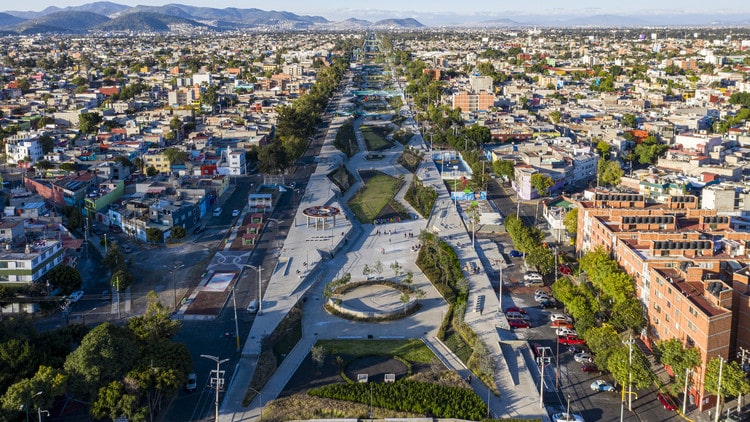
Building Cities That Work With Nature
The transformation of urban environments through nature-integrated infrastructure represents one of the most promising developments in contemporary urbanism. As cities worldwide grapple with climate change, resource constraints, and quality of life challenges, solutions that harness natural processes offer practical, cost-effective, and multifunctional benefits.
Success requires more than technical innovation—it demands institutional change, policy support, adequate investment, and cultural shifts in how we perceive the relationship between cities and nature. The examples highlighted throughout this article demonstrate that transformation is possible when vision, leadership, and community engagement align.
The urban future need not be a choice between development and environment. Nature-integrated infrastructure proves that cities can be engines of ecological restoration, climate resilience, and human flourishing simultaneously. As more communities embrace this approach, the collective impact will reshape urban civilization toward sustainability and regeneration.
The green infrastructure revolution is underway, transforming cities from environmental liabilities into assets that support both human communities and the broader ecological systems upon which all life depends. Every tree planted, every green roof installed, and every bioswale constructed contributes to a more resilient, livable, and beautiful urban future. The question is not whether cities will integrate nature into infrastructure, but how quickly and equitably we can accelerate this essential transformation.
