
Anúncios
Old buildings hold stories, character, and architectural beauty that new construction often cannot replicate. Adaptive reuse transforms these aging structures into vibrant, functional spaces for modern living.
🏛️ The Renaissance of Historic Architecture
Across cities worldwide, forgotten warehouses, abandoned factories, and historic landmarks are experiencing a remarkable transformation. Adaptive reuse—the practice of repurposing old buildings for new functions—has emerged as one of the most exciting trends in contemporary architecture and urban development. This approach not only preserves our architectural heritage but also addresses pressing environmental concerns while creating unique spaces that honor the past while serving present needs.
Anúncios
The movement represents a fundamental shift in how we think about development. Rather than demolishing structures that have outlived their original purpose, architects, developers, and communities are discovering innovative ways to breathe new life into these buildings. From converting century-old textile mills into trendy loft apartments to transforming abandoned churches into boutique hotels, adaptive reuse projects are reshaping urban landscapes and suburban communities alike.
Why Old Buildings Deserve a Second Chapter
The case for adaptive reuse extends far beyond nostalgia or aesthetic preference. These projects deliver tangible benefits across environmental, economic, and cultural dimensions that make them increasingly attractive to developers and communities.
Anúncios
Environmental sustainability stands at the forefront of arguments favoring adaptive reuse. The construction industry accounts for nearly 40% of global carbon emissions, with demolition and new construction being particularly resource-intensive. By contrast, renovating existing structures can reduce carbon emissions by up to 50% compared to new builds. The embodied energy—the total energy required to produce building materials and construct the structure—already invested in old buildings represents a valuable resource that demolition simply wastes.
Economically, adaptive reuse often proves more cost-effective than new construction, particularly when considering the value of existing infrastructure, foundations, and structural systems. Many historic buildings occupy prime locations in established neighborhoods with existing utilities, transportation access, and community amenities. These locational advantages translate directly into value that would be impossible to recreate with new construction on less desirable sites.
Cultural Identity and Community Connection
Historic buildings serve as physical touchstones to community identity and collective memory. A factory where generations worked, a school where community members learned, or a theater where families gathered for entertainment—these structures embody shared experiences that connect past to present. When thoughtfully repurposed, they maintain these cultural connections while adapting to contemporary needs.
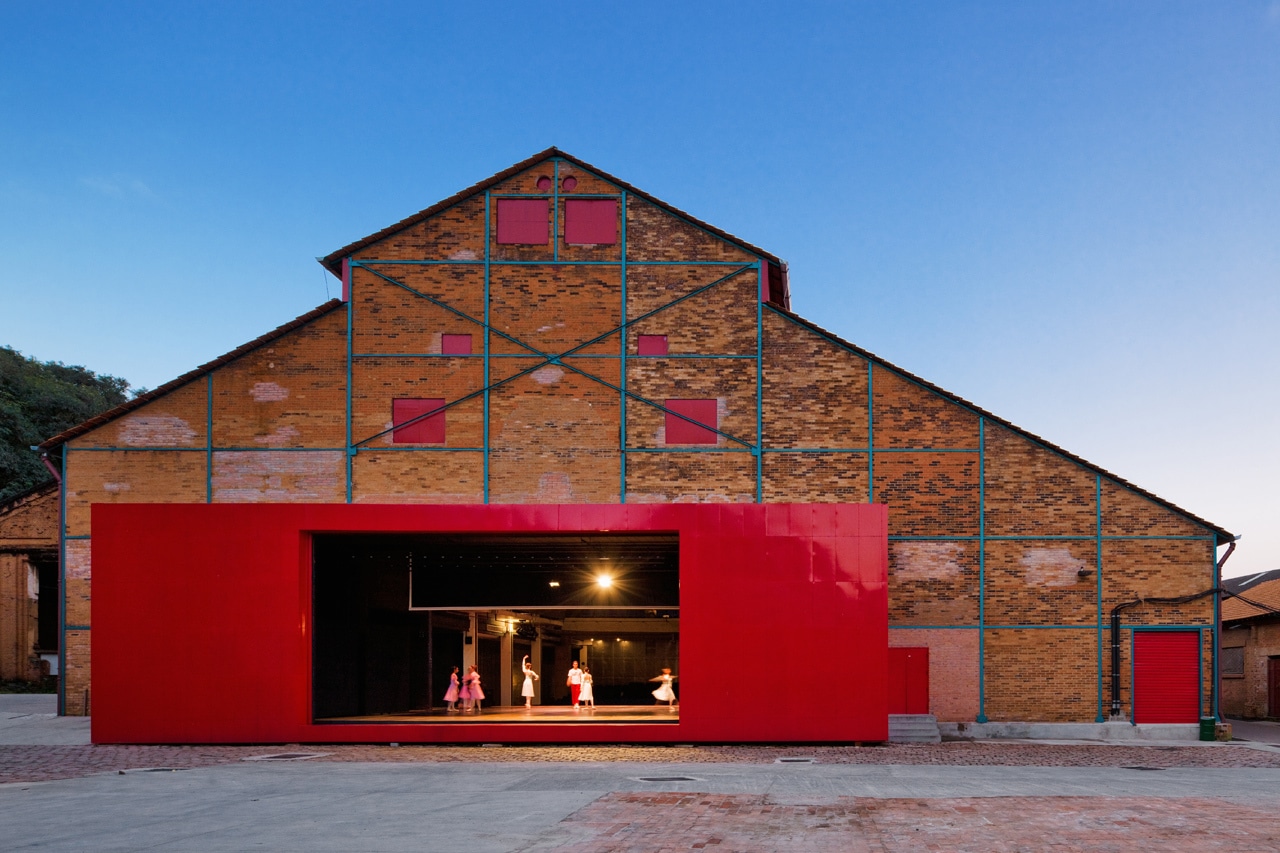
The architectural character of older buildings provides aesthetic richness that modern construction often lacks. Exposed brick walls, original timber beams, industrial steel frames, and period details create visual interest and authenticity that cannot be artificially replicated. This distinctive character has become increasingly valued in an era where many new developments feel generic and interchangeable.
🔨 Transformative Success Stories from Around the Globe
Real-world examples illustrate the remarkable potential of adaptive reuse to create spaces that honor heritage while serving contemporary functions. These projects demonstrate creativity, vision, and the tangible benefits of preservation-minded development.
The High Line: From Rail Tracks to Urban Park
New York City’s High Line represents one of the most celebrated adaptive reuse projects of the 21st century. This elevated freight rail line, abandoned since 1980, was transformed into a 1.45-mile-long public park that has become one of the city’s most popular attractions. Rather than demolishing the obsolete infrastructure, designers preserved the railway’s industrial character while introducing gardens, walkways, and public spaces that have catalyzed billions in adjacent development and created a beloved community amenity.
Tate Modern: Power Station to Art Museum
London’s Tate Modern showcases how industrial architecture can be repurposed for cultural uses. The former Bankside Power Station, a massive brick structure that generated electricity until 1981, was converted into one of the world’s most visited modern art museums. The conversion maintained the building’s industrial character—including the dramatic turbine hall—while inserting contemporary gallery spaces. The project demonstrated that even seemingly single-purpose industrial buildings could successfully accommodate entirely different functions.
The Icehouse: Ice Storage to Modern Living
In Phoenix, Arizona, a 1920s ice manufacturing and storage facility has been transformed into a mixed-use development featuring apartments, retail, and restaurants. The project preserved the building’s concrete structure and industrial aesthetic while introducing modern amenities and sustainable systems. This transformation has become a catalyst for neighborhood revitalization, attracting residents and businesses to a previously neglected area.
📐 The Design Process: Balancing Old and New
Successful adaptive reuse requires careful navigation between preservation and innovation. Architects must respect the existing structure’s integrity and character while introducing necessary updates and new programmatic elements. This balancing act demands creativity, technical expertise, and sensitivity to both historical significance and contemporary needs.
The process typically begins with thorough assessment of the existing structure’s condition, historical significance, and potential for adaptation. Structural engineers evaluate the building’s bones—foundations, load-bearing walls, floor systems—to determine what can be preserved and what requires reinforcement or replacement. This assessment informs decisions about feasible new uses and renovation scope.
Revealing Hidden Beauty
Many historic buildings conceal original features beneath later modifications. Previous renovations may have covered exposed brick with drywall, dropped ceilings over decorative moldings, or concealed structural elements behind partitions. Adaptive reuse projects often involve selective demolition to expose these hidden architectural treasures, revealing the building’s authentic character.
The integration of modern systems—HVAC, electrical, plumbing, data infrastructure—presents particular challenges in buildings never designed to accommodate them. Creative solutions might include routing systems through spaces between original and new structural elements, utilizing decorative enclosures that complement historic character, or incorporating modern amenities in ways that enhance rather than compromise the building’s aesthetic.
Overcoming Common Challenges in Adaptive Reuse
Despite its benefits, adaptive reuse presents unique challenges that developers and designers must navigate. Understanding these obstacles and strategies to address them is essential for successful project execution.
Building codes and regulations pose significant hurdles. Modern codes require features—accessibility accommodations, fire suppression systems, emergency egress—that historic buildings often lack. Bringing old structures into compliance while preserving their character requires careful negotiation with regulatory authorities and creative design solutions. Many jurisdictions now offer some flexibility for historic buildings, recognizing that strict application of current codes could make preservation economically unfeasible.
Hidden Conditions and Unexpected Complications
Old buildings frequently contain surprises discovered only during renovation. Hazardous materials like asbestos and lead paint require careful abatement. Structural issues hidden behind walls may emerge during demolition. Previous modifications may have compromised structural integrity in ways not apparent until intervention begins. These unknowns introduce risk and potential cost overruns that require contingency planning and flexibility.
Environmental contamination presents particular challenges for industrial buildings. Decades of manufacturing operations may have introduced pollutants into soil, groundwater, or building materials. Remediation can be expensive and time-consuming, but successful projects demonstrate that even significantly contaminated sites can be safely redeveloped.
🌱 Environmental Benefits: Building Green by Building Less
The environmental case for adaptive reuse grows stronger as concerns about climate change and resource depletion intensify. Preservation represents the most sustainable form of development because it minimizes new resource consumption and maximizes use of embodied energy already invested in existing structures.
Demolition generates enormous waste. When buildings are torn down, materials that took decades to produce and install become debris destined for landfills. Even with recycling efforts, most demolition waste ends up buried. By contrast, adaptive reuse keeps materials in use, avoiding both the environmental impact of disposal and the resource consumption of manufacturing replacements.
The carbon footprint of adaptive reuse projects is substantially lower than comparable new construction. Studies consistently show that even with extensive renovations, repurposed buildings generate fewer greenhouse gas emissions than new builds. The longer a renovated building remains in use, the greater its environmental advantage becomes, as the upfront carbon cost of renovation is amortized over decades of continued service.
Energy Efficiency in Historic Structures
Critics sometimes argue that old buildings are inherently inefficient and should be replaced with modern, energy-efficient structures. However, many historic buildings incorporate passive design features—thick masonry walls, strategic window placement, natural ventilation—that reduce energy demands. When combined with updated insulation, efficient mechanical systems, and modern windows, renovated buildings can achieve impressive energy performance while retaining historic character.
Economic Dynamics: Costs, Returns, and Community Value
The financial equation for adaptive reuse differs from conventional development in ways that affect project feasibility and returns. Understanding these economic dynamics helps explain why some projects succeed while others struggle to move forward.
Renovation costs can be difficult to predict accurately. Unlike new construction, where conditions and requirements are well-defined, adaptive reuse involves working with existing structures whose full condition may not be apparent until work begins. This uncertainty introduces financial risk that lenders and investors may view unfavorably compared to the predictability of new construction.
However, adaptive reuse offers economic advantages that can offset these challenges. Land costs in established neighborhoods are often lower than in hot development areas, as existing buildings may have depressed surrounding property values. Tax incentives for historic preservation can provide significant financial benefits. In the United States, the Federal Historic Tax Credit offers a 20% credit against qualified rehabilitation expenditures, substantially improving project economics.
Market Differentiation and Premium Value
Repurposed buildings often command premium prices or rents because of their unique character and desirable locations. Residents and tenants increasingly value authentic, distinctive spaces over generic new construction. This market preference translates into financial returns that justify the additional complexity and risk of adaptive reuse projects.
Community economic benefits extend beyond individual projects. Adaptive reuse catalyzes neighborhood revitalization, attracting complementary businesses and residents. The High Line, for example, spurred billions in adjacent development and transformed a neglected area into one of New York’s most desirable neighborhoods. These multiplier effects create public value that transcends private project returns.
🏙️ Urban Revitalization Through Strategic Reuse
Adaptive reuse has emerged as a powerful tool for urban revitalization, particularly in post-industrial cities seeking to reinvent their economies and identities. By transforming obsolete manufacturing facilities, warehouses, and commercial buildings, communities can address blight while creating new amenities that attract residents and businesses.
Many cities have strategically deployed adaptive reuse to anchor broader revitalization initiatives. Detroit’s transformation of the vacant Michigan Central Station into a technology campus for Ford Motor Company exemplifies how a single landmark project can signal broader renewal and attract additional investment. The building’s restoration has become a symbol of the city’s comeback, generating enthusiasm and momentum for surrounding development.
Smaller-scale projects can have equally significant impacts in neighborhood contexts. Converting a vacant school into community space, transforming a closed fire station into a restaurant, or repurposing a church into housing—these projects address specific community needs while removing blight and activating underutilized buildings.
Policy Tools Supporting Adaptive Reuse
Governments at various levels have developed policy tools to encourage adaptive reuse and overcome obstacles that might otherwise make projects unfeasible. These interventions recognize that preserving historic buildings generates public benefits—environmental, cultural, economic—that justify public support.
Tax incentives represent the most common form of public support. Beyond the Federal Historic Tax Credit, many states and localities offer additional incentives for preservation projects. These credits can be sold or transferred, providing immediate capital that improves project feasibility even for developers unable to use credits directly against their own tax liability.
Regulatory flexibility helps address code compliance challenges. Some jurisdictions have adopted alternative compliance paths for historic buildings, allowing creative solutions that achieve safety objectives without destroying historic character. Expedited permitting processes reduce carrying costs and uncertainty for adaptive reuse projects.
🔮 Future Horizons: What’s Next for Adaptive Reuse
As the practice matures, adaptive reuse is evolving in response to changing needs, technologies, and priorities. Several trends point toward the future direction of the field and its expanding role in urban development.
Climate adaptation is emerging as a driver for reuse projects. As communities confront sea level rise, extreme heat, and other climate impacts, existing buildings are being reimagined to address these challenges. Waterfront industrial buildings are being converted into resilient mixed-use developments with flood-resistant design. Historic structures are being retrofitted with green roofs, photovoltaic systems, and other climate-responsive features.
The COVID-19 pandemic accelerated trends that create new opportunities for adaptive reuse. Remote work has reduced demand for traditional office space, leaving many buildings underutilized or vacant. Converting obsolete offices into housing addresses both excess commercial space and housing shortages in urban centers. Retail vacancies in malls and shopping centers present similar opportunities for transformation into mixed-use communities.
Technology Enabling Innovation
Advanced technologies are expanding possibilities for adaptive reuse. 3D scanning and Building Information Modeling (BIM) allow precise documentation of existing conditions, facilitating more accurate planning and cost estimation. Virtual reality enables stakeholders to experience proposed designs before construction begins, building confidence and consensus. Innovative structural systems allow intervention in buildings previously considered too compromised for viable reuse.
Material science advances are improving techniques for preserving and restoring historic building components. New consolidation methods stabilize deteriorated masonry. Advanced coatings protect historic materials while allowing them to breathe. Reversible interventions enable contemporary use without permanently altering historic fabric.
Community Engagement: Building Support for Preservation
Successful adaptive reuse requires community support, particularly for projects involving beloved landmarks or controversial changes. Effective engagement builds understanding, gathers valuable input, and creates stakeholders invested in project success.
Early and transparent communication helps build trust. Sharing project visions through renderings, models, and open houses allows community members to understand intentions and provide feedback before plans become fixed. Addressing concerns and incorporating community input where feasible demonstrates respect and creates buy-in.
Some projects incorporate community participation directly into programming. Adaptive reuse developments might include community spaces, local business incubators, or cultural amenities that serve neighborhood needs. These elements ensure that preservation benefits extend beyond property owners to the broader community.
🎯 Making Adaptive Reuse Work: Key Success Factors
While every project is unique, successful adaptive reuse initiatives share common characteristics that contribute to positive outcomes. Understanding these factors helps developers, architects, and communities maximize the likelihood of success.
Finding the right fit between building and new use is fundamental. Not every old building can accommodate every potential function. Successful projects identify uses that work with rather than against existing conditions—ceiling heights, floor plate dimensions, structural capacity, natural lighting. A building with large, open floors might be ideal for office or residential lofts but poorly suited for uses requiring many small rooms.
Strong teams with relevant experience make critical differences. Adaptive reuse demands expertise that differs from conventional development. Architects must understand historic preservation principles alongside contemporary design. Contractors need experience working in occupied or structurally compromised buildings. Developers require patience and flexibility to navigate uncertainty.
Financial structuring must account for project-specific risks and opportunities. Creative financing solutions—tax credit equity, historic preservation loans, crowdfunding for community-valued projects—can bridge gaps that conventional financing cannot address. Phased development approaches can generate early returns that fund subsequent phases.

The Living Legacy: More Than Buildings
Ultimately, adaptive reuse represents something larger than real estate development or architectural practice. It embodies a philosophy about our relationship with the past and our responsibility to future generations. By preserving and reimagining historic structures, we maintain connections to community heritage while demonstrating that sustainability and progress need not require erasing what came before.
These projects create places with depth and meaning that cannot be instantly manufactured. They tell stories through their materials, forms, and details—stories of the people who built them, the purposes they served, and the communities they anchored. When we adaptively reuse a historic building, we add our chapter to an ongoing narrative rather than starting a new book.
The most successful projects balance reverence for the past with enthusiasm for the future. They honor what makes a building special while fearlessly introducing contemporary elements that enable new uses. This balance—respecting heritage while embracing change—represents a model for how we might approach other challenges, finding ways to preserve what matters while adapting to new realities.
As our built environment ages and awareness grows about the environmental costs of constant demolition and reconstruction, adaptive reuse will continue gaining importance. The old buildings standing in our communities represent not obsolete relics but valuable resources waiting to be reimagined. With creativity, commitment, and respect for what came before, we can transform these structures into vital, functioning parts of our contemporary world—breathing new life into old walls while preserving the irreplaceable character that makes places unique. 🏗️
