
Anúncios
The global housing industry stands at a pivotal crossroads where environmental responsibility meets innovation, ushering in an era of carbon-neutral housing developments that promise to reshape our urban landscapes.
🌱 Understanding Carbon-Neutral Housing: More Than Just a Buzzword
Carbon-neutral housing represents a revolutionary approach to residential construction and living that balances the amount of carbon dioxide released with an equivalent amount sequestered or offset. These developments go beyond traditional green building practices, aiming for a net-zero carbon footprint throughout the entire lifecycle of a home—from construction materials and building processes to daily operations and eventual demolition.
Anúncios
The concept has gained tremendous momentum as governments, developers, and homebuyers recognize the urgent need to address climate change. According to recent studies, buildings account for nearly 40% of global energy-related carbon emissions, making the residential sector a critical frontier in the battle against environmental degradation.
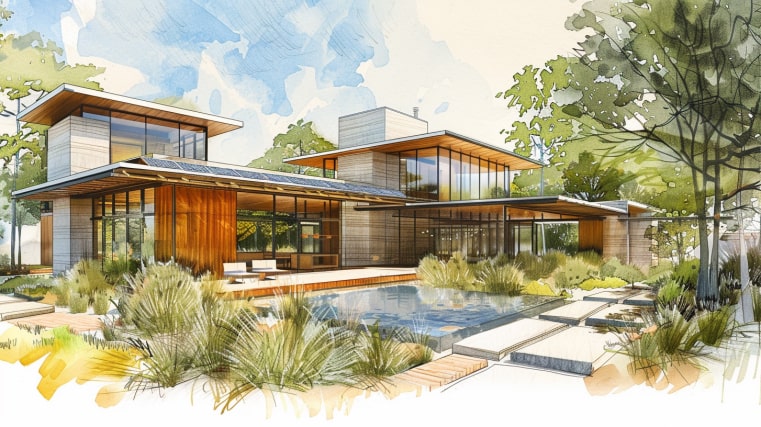
Carbon-neutral housing developments incorporate multiple strategies including renewable energy generation, superior insulation, energy-efficient appliances, sustainable materials, and innovative waste management systems. The goal is ambitious yet achievable: creating homes that contribute zero net carbon to the atmosphere while maintaining comfort, affordability, and aesthetic appeal.
Anúncios
The Technology Powering Tomorrow’s Homes
Modern carbon-neutral developments leverage cutting-edge technology to achieve their environmental goals. Solar panels have become ubiquitous, but today’s developments incorporate advanced photovoltaic systems with battery storage capabilities, allowing homes to generate, store, and use renewable energy around the clock.
Smart home technology plays an increasingly vital role in monitoring and optimizing energy consumption. Intelligent thermostats, automated lighting systems, and AI-powered energy management platforms work together to minimize waste while maximizing comfort. These systems learn resident behavior patterns and adjust accordingly, ensuring that no energy is squandered on heating empty rooms or cooling unoccupied spaces.
Geothermal Systems: Tapping Into Earth’s Natural Temperature
Ground-source heat pumps represent one of the most efficient heating and cooling solutions available. By utilizing the earth’s consistent underground temperature, these systems can heat homes in winter and cool them in summer with remarkable energy efficiency. While installation costs remain higher than traditional HVAC systems, the long-term savings and environmental benefits make them increasingly attractive to developers and homeowners alike.
Advanced Building Materials and Construction Methods
The materials used in carbon-neutral housing developments differ significantly from conventional construction. Cross-laminated timber, recycled steel, hempcrete, and mycelium-based insulation are replacing carbon-intensive concrete and traditional building materials. These alternatives not only reduce embodied carbon but often provide superior insulation and durability.
Prefabricated and modular construction techniques further reduce carbon emissions by minimizing waste, shortening construction timelines, and improving quality control. Factory-built components arrive on-site ready for assembly, dramatically reducing the environmental impact associated with traditional construction sites.
🏘️ Real-World Examples Leading the Green Revolution
Across the globe, pioneering developments demonstrate that carbon-neutral housing is not merely theoretical but practically achievable. BedZED in London, one of the earliest large-scale carbon-neutral communities, has been occupied since 2002 and continues to prove that sustainable living can be both comfortable and attractive.
In Scandinavia, developments like Powerhouse Kjørbo in Norway go beyond carbon neutrality, actually producing more energy than they consume over their lifetime. These “energy-positive” buildings represent the next evolution in sustainable housing, exporting excess renewable energy back to the grid.
North American projects are catching up rapidly. The Grow Community in Washington State combines solar power, rainwater harvesting, community gardens, and shared electric vehicles to create a holistic sustainable lifestyle. Similarly, Canada’s Drake Landing Solar Community uses seasonal thermal energy storage to provide heating for an entire neighborhood using solar power collected during summer months.
The Economics of Going Green
Perhaps the most common misconception about carbon-neutral housing is that it remains prohibitively expensive. While initial construction costs can be 5-15% higher than conventional builds, this premium has been steadily decreasing as technologies mature and economies of scale emerge. More importantly, the total cost of ownership tells a compelling financial story.
Residents of carbon-neutral homes typically experience dramatic reductions in utility bills—often 70-90% lower than conventional homes. In regions with favorable net metering policies, homeowners can even generate income by selling excess electricity back to the grid. These savings compound over time, often allowing homeowners to recoup any initial premium within 7-12 years.
Government Incentives Sweetening the Deal
Recognizing the broader societal benefits, governments worldwide offer substantial incentives for carbon-neutral construction. Tax credits, rebates, reduced property taxes, and preferential financing terms help offset upfront costs. In some jurisdictions, carbon-neutral developments receive expedited permitting or density bonuses, further improving project economics.
The European Union’s Green Deal and similar initiatives in other regions are channeling billions toward sustainable housing, creating a favorable policy environment that accelerates adoption. These programs recognize that residential decarbonization is essential to meeting international climate commitments.
🌍 The Holistic Approach: Beyond Energy Efficiency
Truly carbon-neutral developments extend their sustainability philosophy beyond energy considerations. Water conservation features including rainwater harvesting, greywater recycling, and drought-resistant landscaping reduce municipal water demand. Permeable surfaces and bioswales manage stormwater naturally, reducing strain on municipal systems while replenishing groundwater.
Transportation represents another critical consideration. Forward-thinking developments prioritize walkability, bicycle infrastructure, and public transit connectivity. Electric vehicle charging stations, car-sharing programs, and mixed-use zoning that places amenities within walking distance all contribute to reducing the carbon footprint associated with resident transportation.
Community-Centered Design Philosophy
Carbon-neutral developments often embrace community-oriented design principles that enhance quality of life while supporting sustainability goals. Shared amenity spaces, community gardens, tool libraries, and collaborative consumption models reduce individual resource consumption while building social connections.
These communities frequently incorporate biodiversity considerations, preserving or creating wildlife habitats, native plant gardens, and green corridors. This approach recognizes that true sustainability encompasses ecosystem health, not merely carbon accounting.
Overcoming Challenges and Barriers
Despite impressive progress, carbon-neutral housing development faces significant obstacles. Construction industry inertia presents a substantial challenge, as traditional builders accustomed to conventional methods may resist adopting new techniques and materials. Training programs and knowledge-sharing initiatives help address this skills gap.
Regulatory frameworks designed around conventional construction sometimes inadvertently hinder innovation. Building codes that don’t recognize alternative materials or construction methods can create unnecessary barriers. Progressive jurisdictions are updating regulations to facilitate rather than obstruct sustainable development.
Addressing Affordability Concerns
While operating costs are lower, the initial price premium remains a barrier for many potential buyers, particularly in markets with affordability challenges. Creative financing mechanisms, including energy-efficient mortgages that consider lower operating costs, help make these homes accessible to a broader demographic.
Social housing initiatives are increasingly embracing carbon-neutral principles, recognizing that lower-income residents benefit most from reduced utility costs. This approach simultaneously addresses climate goals and social equity concerns.
📊 Measuring and Verifying Carbon Neutrality
Credible carbon-neutral claims require rigorous measurement and verification. Third-party certification programs like LEED Platinum, Passive House, Living Building Challenge, and BREEAM Outstanding provide standardized frameworks for assessing and validating environmental performance.
These certifications examine multiple factors including energy performance, water efficiency, materials selection, indoor environmental quality, and site sustainability. Ongoing monitoring ensures that buildings continue to perform as designed, with post-occupancy evaluations identifying any gaps between projected and actual performance.
Transparent reporting builds consumer confidence and helps identify best practices that can be replicated across the industry. Some developments publish real-time energy and resource consumption data, demonstrating accountability and educating residents about their environmental impact.
The Role of Innovation and Emerging Technologies
The carbon-neutral housing sector continues to evolve rapidly as new technologies emerge. Building-integrated photovoltaics that replace traditional roofing or cladding materials make solar generation more aesthetically pleasing and space-efficient. Transparent solar windows that generate electricity while allowing light transmission represent another promising frontier.
Energy storage technologies are advancing quickly, with improved battery chemistry offering greater capacity, longer lifespans, and lower costs. Vehicle-to-home technology allows electric vehicles to serve as mobile battery storage, adding resilience and flexibility to home energy systems.
Artificial Intelligence and Machine Learning
AI-powered systems are becoming increasingly sophisticated at predicting and optimizing energy consumption. These platforms analyze weather forecasts, utility rate structures, occupancy patterns, and equipment performance to make intelligent decisions that minimize both costs and carbon emissions. Machine learning algorithms continuously improve, becoming more effective over time.
🌟 The Future Landscape of Carbon-Neutral Living
As technology advances and costs decline, carbon-neutral housing is transitioning from niche luxury to mainstream expectation. Several European countries have mandated that all new buildings must be carbon-neutral or energy-positive by 2030, setting a precedent that other regions are likely to follow.
The renovation and retrofit market represents an enormous opportunity, as existing housing stock far outnumbers new construction. Innovative retrofit technologies and business models are making it increasingly feasible to transform conventional homes into carbon-neutral dwellings, dramatically expanding the sector’s potential impact.
Climate change concerns, particularly among younger generations, are reshaping consumer preferences. Sustainability credentials increasingly influence purchasing decisions, with many buyers willing to pay premiums for homes that align with their environmental values. This demographic shift creates market momentum that accelerates industry transformation.
Creating Lasting Environmental Impact
Carbon-neutral housing developments represent more than architectural innovation—they embody a fundamental reimagining of our relationship with the built environment. By demonstrating that comfortable, attractive, and affordable housing can coexist with ambitious environmental goals, these developments provide a roadmap for addressing the climate crisis.
The ripple effects extend beyond individual homes. As carbon-neutral developments proliferate, they influence building codes, industry practices, consumer expectations, and policy frameworks. Suppliers respond to growing demand by scaling production of sustainable materials and technologies, driving costs down and availability up in a virtuous cycle.
Educational benefits should not be underestimated. Residents of carbon-neutral communities often become environmental advocates, applying lessons learned at home to other aspects of their lives and influencing broader social norms around sustainability. This cultural shift may ultimately prove as important as the direct carbon reductions achieved.
Taking Action: Pathways for Different Stakeholders
Developers can begin by incorporating carbon-neutral principles into new projects, starting with pilot developments to build expertise before scaling up. Partnering with experienced consultants, learning from existing case studies, and engaging with certification programs helps navigate the learning curve.
Policymakers can accelerate adoption through supportive regulations, financial incentives, updated building codes, and public awareness campaigns. Leading by example through carbon-neutral public housing and municipal buildings demonstrates commitment and viability.
Individual homeowners can explore retrofit options, install solar panels, improve insulation, upgrade to energy-efficient appliances, and adopt sustainable lifestyle practices. Even incremental steps contribute to the larger goal while reducing personal expenses.
The rise of carbon-neutral housing developments represents one of the most promising strategies for addressing climate change while improving quality of life. As technology advances, costs decline, and adoption accelerates, these once-revolutionary concepts are becoming the new standard for responsible development. The journey toward a greener built environment is well underway, offering hope that we can house a growing population while protecting the planet for future generations. The homes we build today will shape the world we inhabit tomorrow—making carbon-neutral development not merely an option, but an imperative for creating a sustainable and prosperous future.
