
Anúncios
The global waste crisis demands innovative solutions, and upcycling paired with waste-to-value technologies is transforming how we perceive discarded materials into opportunities for economic growth and environmental sustainability.
🌍 Understanding the Waste Revolution
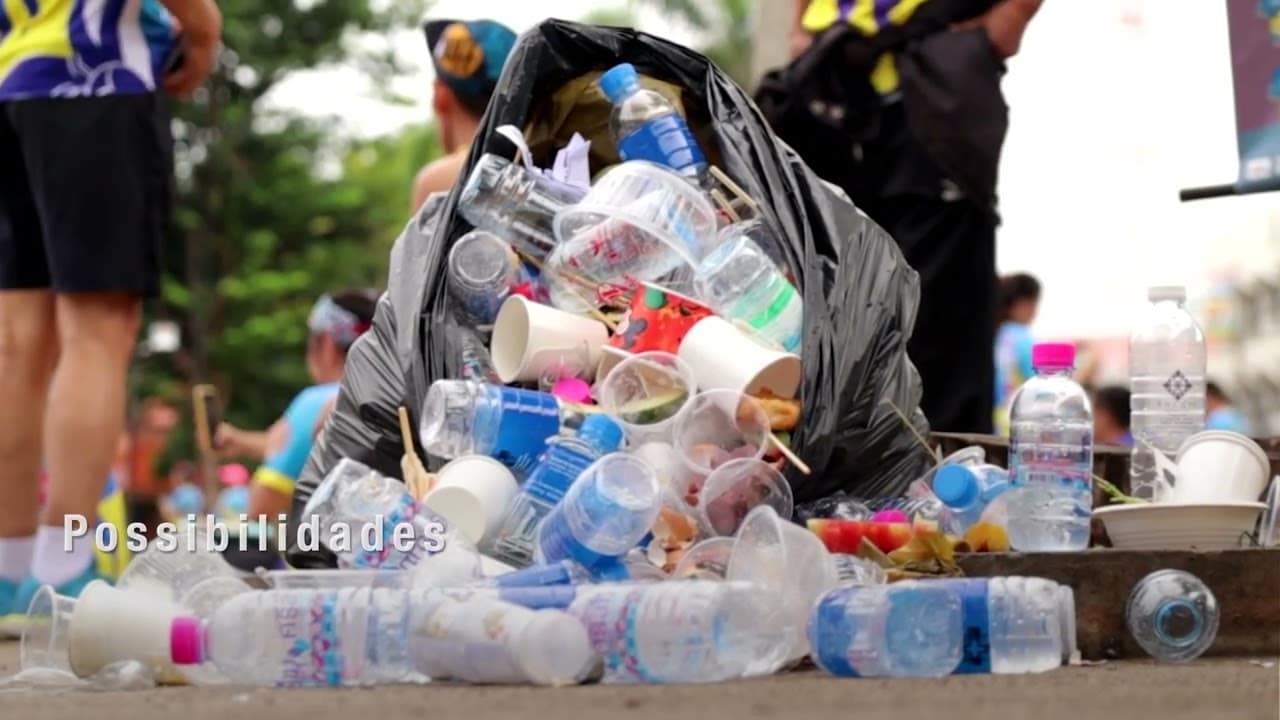
Our planet generates over 2.01 billion tonnes of municipal solid waste annually, with this figure projected to reach 3.4 billion tonnes by 2050. Traditional waste management approaches—landfilling and incineration—are proving insufficient and environmentally damaging. The paradigm shift toward upcycling and waste-to-value innovation represents more than a trend; it’s a fundamental reimagining of our relationship with materials we once considered worthless.
Anúncios
Upcycling differs fundamentally from recycling. While recycling breaks down materials to create new products of equal or lesser value, upcycling transforms waste into products of higher quality or environmental value. This creative reuse extends product lifecycles, reduces resource extraction, and challenges our throw-away culture. When combined with cutting-edge waste-to-value technologies, these approaches create circular economic systems where nothing truly becomes waste.
The Economic Engine Behind Waste Transformation
The global upcycling market is experiencing unprecedented growth, valued at approximately $55 billion in 2023 and expected to reach $85 billion by 2030. This economic boom isn’t merely about environmental consciousness—it’s driven by tangible business opportunities, resource scarcity, and shifting consumer preferences toward sustainable products.
Anúncios
Companies embracing waste-to-value innovation are discovering competitive advantages. Reduced raw material costs, enhanced brand reputation, and access to environmentally conscious consumer markets create compelling business cases. Major corporations like Adidas, which produces shoes from ocean plastic, and Patagonia, which creates jackets from recycled materials, demonstrate that profitability and sustainability can coexist harmoniously.
💡 Breaking Down Value Creation from Waste
Waste-to-value innovation encompasses multiple approaches, each targeting different waste streams and creating distinct economic opportunities:
- Material Recovery: Extracting valuable raw materials from complex waste streams, including rare earth elements from electronics
- Biological Conversion: Using microorganisms to transform organic waste into biofuels, biochemicals, and biomaterials
- Thermal Conversion: Converting non-recyclable waste into energy through advanced gasification and pyrolysis technologies
- Chemical Upcycling: Breaking down plastics and other polymers into building blocks for new high-value products
- Creative Remanufacturing: Redesigning discarded items into premium consumer goods with enhanced aesthetic and functional value
Technological Innovations Driving the Revolution
Advanced technologies are making waste-to-value processes more efficient, scalable, and economically viable. Artificial intelligence and machine learning optimize sorting operations, identifying valuable materials with unprecedented accuracy. Smart sensors detect contamination levels, material composition, and optimal processing pathways in real-time.
Biotechnology offers particularly promising solutions. Scientists have engineered bacteria capable of consuming plastic waste and producing biodegradable polymers. Enzymatic recycling breaks down PET plastics to their molecular components, enabling infinite recycling loops without quality degradation. These biological approaches operate at lower temperatures than traditional methods, significantly reducing energy consumption and carbon emissions.
🔬 Blockchain and Digital Waste Tracking
Blockchain technology is revolutionizing waste management transparency and accountability. Digital platforms track materials from disposal through processing to final product creation, ensuring authenticity and preventing fraudulent environmental claims. This traceability appeals to consumers demanding proof of sustainability credentials and helps companies meet increasingly stringent regulatory requirements.
Mobile applications are democratizing participation in the upcycling economy. Platforms connecting waste generators with upcyclers, artists, and manufacturers create decentralized marketplaces for materials previously destined for landfills. These digital ecosystems make it easier for individuals and small businesses to participate in the circular economy.
Creative Upcycling Success Stories
Across industries, innovative entrepreneurs and established companies are demonstrating upcycling’s remarkable potential. In fashion, brands transform textile waste into haute couture garments, selling at premium prices while reducing the industry’s notorious environmental footprint. Construction companies build entire structures from shipping containers, reclaimed wood, and recycled concrete, creating architectural landmarks that tell sustainability stories.
The furniture industry showcases particularly creative upcycling applications. Designers craft elegant tables from discarded aircraft parts, lamps from wine bottles, and seating from retired fire hoses. These products command premium prices, appealing to consumers who value uniqueness, craftsmanship, and environmental responsibility.
🏭 Industrial Symbiosis Networks
Industrial symbiosis—where one company’s waste becomes another’s raw material—creates collaborative ecosystems maximizing resource efficiency. The Kalundborg Symbiosis in Denmark, operating since the 1970s, demonstrates this concept’s potential. Nine public and private enterprises exchange energy, water, and material streams, collectively reducing carbon emissions by 240,000 tonnes annually while saving millions in operational costs.
Similar networks are emerging globally, facilitated by digital platforms matching waste producers with potential users. These collaborations transform local and regional economies, creating jobs, reducing transportation emissions, and building resilient supply chains less dependent on virgin material extraction.
Waste-to-Energy: Converting Trash into Power
Advanced waste-to-energy facilities are dispelling the negative associations with traditional incinerators. Modern plants capture over 90% of energy contained in waste while employing sophisticated emission control systems meeting stringent environmental standards. Countries like Sweden have become so efficient at waste-to-energy conversion that they import waste from neighbors to fuel their systems.
Emerging technologies promise even greater efficiency. Plasma gasification reaches temperatures exceeding 3,000°C, breaking down waste at the molecular level and producing syngas usable for electricity generation or chemical production. This process handles mixed waste streams without requiring extensive sorting, significantly reducing operational complexity.
⚡ Bioenergy and Organic Waste Solutions
Organic waste represents approximately 44% of municipal solid waste globally, presenting enormous energy recovery potential. Anaerobic digestion converts food waste, agricultural residues, and sewage into biogas—a renewable energy source replacing fossil fuels. The digestate remaining after processing serves as nutrient-rich fertilizer, closing agricultural nutrient loops.
Cities worldwide are implementing organic waste separation programs, channeling material toward energy production rather than methane-producing landfills. San Francisco diverts 80% of its waste from landfills, with organic waste conversion playing a crucial role. These programs demonstrate that comprehensive waste management combines multiple strategies—reduction, reuse, upcycling, recycling, and energy recovery—each addressing different waste streams optimally.
The Fashion Industry’s Upcycling Transformation
Fashion’s environmental impact—responsible for 10% of global carbon emissions and massive water consumption—has spurred remarkable upcycling innovation. Designers are reimagining entire collections from post-consumer garments, deadstock fabrics, and textile manufacturing waste. This creative reuse addresses fashion’s overproduction problem while offering consumers unique, story-rich products.
Luxury brands are embracing upcycling without compromising prestige. Limited-edition collections from upcycled materials create scarcity and exclusivity, traditional luxury hallmarks. This approach proves that sustainability and desirability aren’t mutually exclusive, potentially reshaping an industry built on constant newness and planned obsolescence.
👗 Textile-to-Textile Recycling Breakthroughs
Technical innovations are enabling true textile circularity. Chemical recycling processes separate blended fabrics—cotton-polyester mixtures that defeated traditional recycling—into pure component fibers. These regenerated materials match virgin fiber quality, enabling infinite recycling loops without downcycling.
Automated sorting systems using near-infrared spectroscopy identify fabric compositions instantly, enabling efficient processing of mixed textile waste. Combined with consumer take-back programs, these technologies are building infrastructure for circular fashion systems where garments never become waste but rather material banks for future products.
🌱 Policy Frameworks Supporting Waste Innovation
Government policies increasingly recognize upcycling and waste-to-value innovation as essential sustainability strategies. Extended Producer Responsibility (EPR) schemes make manufacturers responsible for product end-of-life management, incentivizing designs facilitating upcycling and material recovery. These regulations drive innovation as companies seek cost-effective compliance strategies.
Tax incentives and subsidies support waste-to-value enterprises during development phases when technologies require refinement and markets need cultivation. Green public procurement policies preference products containing recycled or upcycled content, creating stable demand supporting industry growth.
The European Union’s Circular Economy Action Plan exemplifies comprehensive policy approaches. Targets for waste reduction, recycling rates, and circular material usage create predictable frameworks enabling long-term business planning and investment. These policies are inspiring similar initiatives globally, creating international momentum toward circular economic systems.
Challenges and Barriers to Overcome
Despite remarkable progress, significant obstacles remain. Contamination in waste streams complicates processing, reducing recovered material quality and economic viability. Improving collection systems and consumer education about proper waste separation represents ongoing challenges requiring sustained investment and behavioral change.
Economic barriers persist, particularly where virgin materials remain artificially cheap due to unpriced environmental externalities. Leveling the playing field requires policy interventions reflecting true environmental costs of extraction and disposal. Additionally, developing markets for upcycled and recovered materials requires overcoming quality perceptions and establishing reliable supply chains.
🚧 Infrastructure and Investment Gaps
Scaling waste-to-value innovations requires substantial infrastructure investment. Many regions lack adequate collection systems, sorting facilities, and processing plants. Bridging these gaps demands public-private partnerships, innovative financing mechanisms, and recognition that waste management infrastructure is as essential as transportation or energy systems.
Research and development funding remains insufficient relative to the challenge’s magnitude. Continued technological breakthroughs—more efficient processes, novel applications for recovered materials, and reduced processing costs—require sustained investment from governments, industries, and venture capital.
Consumer Behavior and Cultural Shifts
Upcycling’s ultimate success depends on consumer acceptance and participation. Growing environmental awareness is driving demand for sustainable products, but price sensitivity and convenience expectations remain barriers. Educating consumers about upcycled products’ value—craftsmanship, uniqueness, environmental benefits—helps justify premium pricing.
Cultural attitudes toward waste are evolving. The maker movement, DIY culture, and sharing economy normalize reuse and creative repurposing. Social media showcases upcycling projects, inspiring others and building communities around sustainable consumption. These cultural shifts complement technological and policy innovations, creating comprehensive transformation ecosystems.
🚀 Future Horizons: What’s Next for Waste Innovation
The waste-to-value revolution is accelerating, with emerging technologies promising even greater impacts. Nanotechnology enables material recovery at unprecedented purity levels. 3D printing using recycled materials democratizes manufacturing, allowing localized production from local waste streams. Artificial intelligence optimizes entire waste management systems, predicting waste generation patterns and dynamically allocating processing resources.
Integration across sectors will deepen. Buildings designed for deconstruction rather than demolition treat structures as material banks. Product-as-a-service models retain manufacturer ownership, incentivizing durability and facilitating material recovery. Digital product passports track material composition and lifecycle information, enabling efficient end-of-life processing.
The convergence of upcycling, waste-to-value technologies, and circular economy principles represents humanity’s opportunity to decouple economic prosperity from resource depletion and environmental degradation. Success requires collaboration across governments, businesses, researchers, and citizens, united by recognition that waste represents not a problem but an opportunity—resources in the wrong place awaiting creative reimagining.
Building Your Role in the Revolution
Individual actions collectively drive systemic change. Supporting businesses prioritizing upcycling and circular practices sends market signals encouraging broader adoption. Participating in local repair cafes, tool libraries, and sharing platforms extends product lifespans and builds community resilience. Learning basic repair and upcycling skills empowers creative reuse rather than disposal.
Professionals across disciplines can contribute their expertise. Engineers can design products facilitating disassembly and material recovery. Marketers can communicate upcycled products’ value propositions. Policymakers can create enabling frameworks. Educators can cultivate circular thinking in future generations. The waste revolution requires diverse talents and perspectives, offering meaningful participation opportunities for everyone.
The transformation from waste crisis to resource opportunity is underway, driven by technological innovation, economic opportunity, environmental necessity, and cultural evolution. Upcycling and waste-to-value approaches prove that materials we discard contain enormous untapped potential—economic, environmental, and social. By embracing these innovations, we’re not merely managing waste more effectively; we’re fundamentally reimagining material flows, economic systems, and our relationship with the physical world. This revolution offers hope that human creativity and ingenuity can solve the environmental challenges our consumption patterns created, building prosperity that enhances rather than degrades the planet sustaining us. ♻️
