
Anúncios
The sharing economy is revolutionizing how we consume, creating opportunities to maximize value while reducing waste and extending the useful life of countless products.
🔄 The Economic Revolution That’s Changing Consumption Patterns
Over the past decade, the sharing economy has emerged as a powerful force reshaping traditional consumption models. What began as simple peer-to-peer exchanges has evolved into a sophisticated ecosystem where products, services, and resources are shared, rented, or redistributed rather than owned outright. This fundamental shift addresses one of modern society’s most pressing challenges: the wasteful cycle of production, brief use, and disposal that characterizes linear consumption.
Anúncios
The traditional ownership model often results in products sitting idle for most of their potential lifespan. Consider the average car, which remains parked approximately 95% of the time, or power tools that might see only a few hours of use per year. The sharing economy unlocks this dormant value, allowing products to serve multiple users throughout their lifecycle, dramatically increasing utilization rates while reducing the environmental and economic costs of overproduction.
Understanding Product Lifecycle Extension Through Shared Access
When products are shared rather than individually owned, their lifecycles extend in multiple dimensions. First, the physical lifespan increases as shared products are often better maintained due to commercial incentives. Companies operating sharing platforms have strong motivations to keep their inventory in optimal condition, implementing regular maintenance schedules that individual owners might neglect.
Anúncios
Second, the functional lifecycle expands as products continue serving useful purposes for different users with varying needs. A bicycle sharing platform, for example, can provide transportation for commuters during weekdays, leisure riders on weekends, and tourists exploring new cities. This multi-purpose utilization ensures that products remain valuable across different contexts and user groups.
The Mathematics of Maximized Utilization
The economic logic behind sharing platforms is compelling. When a product that would otherwise be used by one person for limited hours becomes accessible to multiple users, the total value extracted from that single item multiplies exponentially. This increased utilization reduces the per-use cost dramatically, making access more affordable while simultaneously generating revenue that justifies maintaining the product in excellent condition.
For instance, a professional camera that an individual photographer might use for 100 hours annually could serve 20 different users through a sharing platform, accumulating 1,000 hours of productive use. This tenfold increase in utilization means the environmental cost of manufacturing that camera is distributed across far more value creation, improving both economic and ecological efficiency.
🌍 Environmental Benefits: From Waste Reduction to Resource Conservation
The environmental advantages of extending product lifecycles through sharing are substantial and multifaceted. Manufacturing new products requires significant energy, raw materials, and generates considerable carbon emissions. By maximizing the use of existing products, the sharing economy directly reduces demand for new production, thereby decreasing the environmental footprint associated with extraction, processing, manufacturing, and transportation.
Research indicates that sharing platforms can reduce consumer goods purchases by 25-30% in categories where they’re well-established. This reduction translates directly into decreased resource consumption, lower greenhouse gas emissions, and reduced waste generation. When products remain in active use longer, fewer items end up in landfills prematurely, addressing the growing global waste crisis.
The Circular Economy Connection
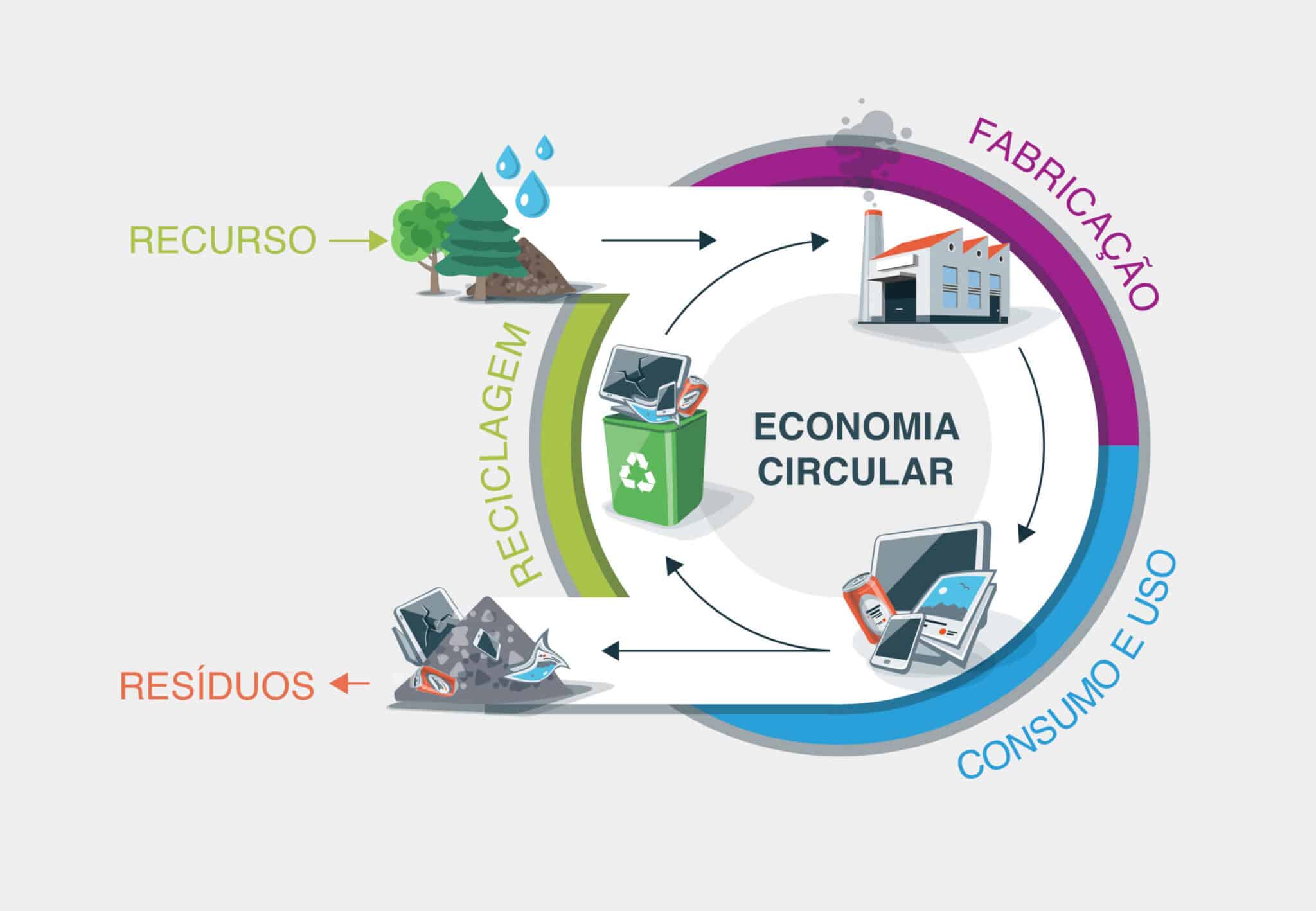
The sharing economy serves as a practical implementation of circular economy principles, which prioritize keeping resources in use for as long as possible. Rather than the linear “take-make-dispose” model, circular systems emphasize longevity, reuse, refurbishment, and regeneration. Sharing platforms naturally embody these principles by creating economic structures that reward extended product use and proper maintenance.
This alignment with circular economy thinking represents a fundamental shift in how society values products—moving from ownership as status symbol to access as practical solution. The psychological shift from “mine” to “ours” facilitates more sustainable consumption patterns that benefit both participants and the planet.
💡 Categories Where Sharing Maximizes Value Most Effectively
While the sharing economy spans numerous sectors, certain product categories demonstrate particularly impressive value maximization potential. Understanding these categories helps identify where sharing models can be most effectively implemented and scaled.
Transportation and Mobility
Transportation represents perhaps the most successful sharing economy sector. Car-sharing platforms, bike-sharing systems, and ride-sharing services have transformed urban mobility. Vehicles are expensive, depreciate rapidly, and require ongoing maintenance, insurance, and storage costs. Sharing these resources among multiple users dramatically improves economic efficiency while reducing traffic congestion and pollution in urban areas.

Accommodation and Space
The accommodation sharing sector has revolutionized travel and real estate utilization. Homes, apartments, and even individual rooms that would otherwise sit empty generate value for owners while providing travelers with affordable, authentic lodging options. This sector demonstrates how sharing can activate underutilized assets, turning spare capacity into productive economic activity.
Tools and Equipment
Specialized tools, construction equipment, and recreational gear are perfect candidates for sharing models. These items often carry significant purchase costs but see infrequent use. Tool libraries and equipment rental platforms allow users to access what they need when they need it, without the burden of ownership, storage, and maintenance during extended periods of non-use.
Fashion and Apparel
Clothing rental services address the fashion industry’s sustainability challenges by extending garment lifecycles. Rather than purchasing items worn only once or twice, consumers can rent formal wear, designer pieces, or seasonal fashion, significantly reducing textile waste while maintaining access to diverse wardrobe options. This model particularly benefits special occasion attire that traditionally sees minimal use after purchase.
🚀 Technology Enabling Efficient Sharing Systems
The explosion of sharing economy platforms would be impossible without technological infrastructure that facilitates trust, coordination, and transaction efficiency. Mobile applications, GPS tracking, digital payment systems, and user rating mechanisms collectively enable strangers to share valuable assets with reasonable confidence and convenience.
Smart locks and IoT devices allow seamless access to shared spaces and vehicles without physical key exchanges. Blockchain technology promises to further enhance trust and transparency in sharing transactions. Machine learning algorithms optimize pricing, availability, and matching between providers and users, increasing system efficiency and user satisfaction.
Trust Mechanisms and Community Building
User review systems form the foundation of trust in sharing platforms. These bilateral rating systems create accountability, encouraging positive behavior from both providers and consumers. Reputation becomes a valuable asset, incentivizing reliability and quality service. Insurance provisions, identity verification, and secure payment processing further reduce risks associated with sharing valuable items with strangers.
Economic Models That Sustain Value Creation
Successful sharing platforms employ various business models that align incentives between platform operators, product providers, and consumers. Commission-based structures, subscription services, and freemium models each offer different advantages depending on the product category and user base.
The key to sustainable sharing economy businesses lies in creating sufficient value for all participants. Providers must receive adequate compensation to justify sharing their assets and maintaining them properly. Users must find the service convenient and cost-effective compared to ownership or alternative options. Platform operators must generate sufficient revenue to maintain technology infrastructure, provide customer support, and scale operations.
Pricing Strategies That Encourage Longevity
Dynamic pricing models that reflect demand, availability, and product condition help optimize utilization while funding proper maintenance. When users pay prices that reflect true costs including depreciation and upkeep, the system can sustain high-quality products throughout extended lifecycles. This transparency contrasts favorably with hidden costs of ownership that consumers often underestimate.
⚖️ Challenges and Limitations of Sharing Systems
Despite significant benefits, the sharing economy faces legitimate challenges that must be addressed for sustainable growth. Regulatory frameworks designed for traditional ownership models often create obstacles for sharing platforms. Issues around taxation, liability, worker classification, and industry-specific regulations require ongoing negotiation between platforms, governments, and incumbent businesses.
Quality control presents another challenge. As products circulate among multiple users, maintaining consistent quality requires robust systems for inspection, cleaning, repair, and replacement. Poor experiences due to inadequate maintenance can undermine user trust and platform viability. Successful platforms invest heavily in quality assurance processes that extend product lifecycles while ensuring user satisfaction.
The Tragedy of the Commons in Digital Age
Shared resources sometimes suffer from reduced care compared to personally owned items. Users may treat shared products less carefully, accelerating wear and damage. This “tragedy of the commons” problem requires deliberate countermeasures including damage deposits, usage monitoring, clear terms of service, and consequences for misuse. Education about proper use and community responsibility also plays a vital role in maintaining shared resources.
Cultural Shifts Enabling Sharing Adoption
The growth of sharing economy reflects broader cultural changes, particularly among younger generations who prioritize access over ownership. Millennials and Gen Z consumers demonstrate greater openness to collaborative consumption, valuing experiences over possessions and showing concern for environmental sustainability. This generational shift creates favorable conditions for sharing platforms to flourish and expand into new categories.
Urbanization also facilitates sharing adoption. Dense population centers provide the user base necessary for viable sharing platforms while space constraints make storage of infrequently used items impractical. City dwellers increasingly recognize that owning rarely-used products represents inefficient use of both money and limited living space.
📊 Measuring Success Beyond Simple Metrics
Evaluating sharing economy success requires metrics beyond traditional business indicators. While revenue and user growth matter, the full value proposition includes environmental impact, resource efficiency, community building, and improved quality of life. Comprehensive assessment considers:
- Reduction in new product purchases and associated manufacturing emissions
- Increased utilization rates of existing products
- Cost savings for consumers compared to ownership
- Income generation for product providers
- Community connections fostered through sharing interactions
- Urban space freed from storage of underutilized items
These multidimensional benefits demonstrate how sharing platforms create value that extends well beyond simple financial transactions, contributing to more sustainable and connected communities.
Future Trajectories for Shared Consumption
The sharing economy continues evolving, with emerging trends pointing toward even greater integration into daily life. Subscription models for shared products are gaining traction, providing users with ongoing access to rotating inventories of goods. This “product-as-a-service” approach further extends lifecycles by creating ongoing relationships between manufacturers, platforms, and consumers.
Artificial intelligence will enhance matching algorithms, predicting user needs and optimizing product distribution to maximize utilization. Autonomous vehicles promise to revolutionize transportation sharing by reducing costs and increasing availability. As technology improves and cultural acceptance grows, sharing may expand into categories currently dominated by individual ownership.
Integration With Sustainable Development Goals
The sharing economy aligns with multiple United Nations Sustainable Development Goals, including responsible consumption and production, climate action, and sustainable cities. As governments and organizations prioritize these objectives, sharing platforms may receive increased support and favorable policy treatment, accelerating adoption and impact.
🌟 Creating Personal Value Through Participation
Individual participants in sharing economy platforms benefit in numerous ways beyond obvious cost savings. Providers generate income from otherwise idle assets, turning possessions into productive investments. Users gain access to products and experiences previously unaffordable or impractical, enriching their lives without accumulating clutter.
The flexibility of shared access allows experimentation and variety impossible under ownership models. Users can try different products, upgrade easily, and adapt consumption to changing needs without the commitment and sunk costs of purchase. This flexibility particularly benefits people in transitional life stages or those who value minimalism and mobility.
Building Community Through Shared Resources
Beyond economic and environmental benefits, sharing creates opportunities for meaningful human connection. Local sharing platforms foster community relationships, building social capital alongside material value. When neighbors share tools, skills, and resources, they develop trust networks that enhance community resilience and quality of life.
This social dimension represents perhaps the most profound potential of the sharing economy—recreating forms of mutual support that characterized traditional communities while leveraging modern technology for scale and efficiency. As society grapples with increasing isolation and fragmentation, sharing platforms offer pathways toward renewed connection and cooperation.
The sharing economy’s power to extend product lifecycles while maximizing value represents a genuine innovation in how humanity relates to material goods. By decoupling access from ownership, these systems improve economic efficiency, reduce environmental impact, and foster community connections. As technology advances and cultural attitudes evolve, sharing will likely expand its role in creating a more sustainable and equitable future where products fulfill their maximum potential in service of human needs.
