
Anúncios
Electronic waste is rapidly becoming one of the most pressing environmental challenges of our generation, demanding immediate action and innovative sustainable solutions.
🌍 The Growing Mountain of Electronic Waste
Our modern society’s insatiable appetite for technology has created an unprecedented crisis. Every year, humanity generates approximately 50 million metric tons of electronic waste, and this figure continues to climb at an alarming rate. From outdated smartphones to obsolete laptops, discarded refrigerators to broken televisions, these devices contain valuable materials that are often lost to landfills.
Anúncios
The problem extends far beyond mere volume. Electronic waste contains hazardous substances including lead, mercury, cadmium, and brominated flame retardants that pose serious threats to human health and environmental stability. When improperly disposed of, these toxins leach into soil and groundwater, contaminating ecosystems and entering the food chain.
Yet within this crisis lies extraordinary opportunity. Electronic devices are treasure troves of recoverable materials including gold, silver, copper, platinum, and rare earth elements. The concentration of precious metals in electronic waste often exceeds that found in natural ore deposits, making e-waste recovery not just environmentally responsible but economically viable.
Anúncios
Understanding the Lifecycle of Electronic Products
To appreciate the urgency of e-waste recovery, we must understand the complete lifecycle of electronic products. Manufacturing a single computer requires approximately 530 pounds of fossil fuels, 48 pounds of chemicals, and 1.5 tons of water. The extraction of raw materials devastates landscapes, consumes enormous energy, and produces significant carbon emissions.
The use phase of electronics, while familiar to consumers, represents only a fraction of a product’s environmental impact. Studies indicate that 70-80% of a device’s environmental footprint occurs during manufacturing. This reality underscores why material reintegration through recovery and recycling isn’t just helpful—it’s essential for sustainable technology consumption.
When electronics reach end-of-life, three pathways emerge: landfill disposal, which wastes resources and contaminates environments; informal recycling in developing nations, which exposes workers to toxic conditions; or formal recovery processes that safely extract and reintegrate valuable materials into new production cycles.
💡 Innovative Technologies Transforming E-Waste Recovery
The field of e-waste recovery has experienced remarkable technological advancement in recent years. Automated disassembly systems now use robotics and artificial intelligence to efficiently separate components, identifying materials with unprecedented accuracy. These systems can process hundreds of devices hourly while maintaining safety standards impossible to achieve through manual methods.
Hydrometallurgical processes represent another breakthrough, using aqueous chemistry to selectively dissolve and recover metals from electronic waste. Unlike traditional smelting methods that require extreme temperatures and produce significant emissions, these chemical processes operate at lower temperatures with reduced environmental impact.
Bioleaching introduces an even more sustainable approach, employing bacteria and fungi to extract metals from electronic components. These microorganisms naturally produce acids that dissolve metals, which can then be recovered through precipitation or other methods. This biological approach minimizes chemical usage and energy consumption while achieving impressive recovery rates.
Material-Specific Recovery Techniques
Different materials within electronic waste require tailored recovery approaches. Precious metals like gold and silver, commonly found in circuit boards and connectors, demand precise extraction methods to maximize yield while minimizing contamination. Advanced facilities now achieve recovery rates exceeding 95% for these valuable materials.
Rare earth elements present unique challenges due to their chemical similarity and low concentrations. These materials, critical for screens, speakers, and batteries, have traditionally been difficult to recover economically. New solvent extraction techniques and membrane technologies are making rare earth recovery increasingly viable, reducing dependence on environmentally destructive mining operations.
Plastics constitute a significant portion of electronic waste by volume, yet their recovery has lagged behind metals. Modern facilities employ near-infrared spectroscopy to identify and sort different plastic types, enabling material-specific recycling that maintains plastic quality and performance characteristics in subsequent applications.
The Economics of Material Reintegration
Economic viability remains central to scaling e-waste recovery initiatives. The global value of raw materials in electronic waste exceeds $60 billion annually, yet current recovery rates capture only a fraction of this potential. This gap represents both massive waste and tremendous opportunity for innovative businesses and circular economy models.
Several factors influence recovery economics. Metal prices fluctuate with global markets, affecting profitability. Processing costs depend on technology sophistication, labor expenses, and facility scale. Regulatory compliance, while necessary for environmental protection, adds operational costs. Collection logistics, particularly in dispersed residential settings, present persistent challenges.
Despite these complexities, successful business models are emerging. Urban mining operations extract more gold from a ton of mobile phones than miners retrieve from a ton of gold ore. Companies specializing in battery recovery profit from cobalt, lithium, and nickel reintegration as electric vehicle adoption accelerates. Extended producer responsibility programs shift collection costs to manufacturers, improving recovery economics.
🔄 Creating Circular Systems for Electronics
True sustainability requires moving beyond linear “take-make-dispose” models toward circular systems where materials continuously cycle through use, recovery, and reintegration. This transformation demands collaboration across the entire value chain, from product designers to consumers, recyclers to policymakers.
Design for disassembly represents a fundamental principle of circular electronics. Products engineered with recovery in mind use modular construction, standardized fasteners, and clearly marked materials. They avoid permanent adhesives that complicate separation and minimize material mixing that reduces recovery efficiency. Leading manufacturers now incorporate recycled content targets and design guidelines that facilitate end-of-life material extraction.
Product longevity extends useful life, delaying waste generation while reducing manufacturing demand. Repairability, upgradability, and software support enable devices to serve users longer. Right-to-repair legislation empowers consumers and independent technicians to maintain electronics rather than replacing them, keeping functional devices in circulation.
The Role of Refurbishment and Reuse
Before materials reach recovery facilities, electronics may serve additional users through refurbishment and reuse. This approach captures maximum value by extending product utility rather than immediately breaking devices into constituent materials. A refurbished smartphone or laptop requires only minimal processing and provides full functionality to a new user at reduced cost and environmental impact.
Sophisticated testing and certification programs ensure refurbished electronics meet quality standards. Professional refurbishers replace batteries, update software, verify functionality, and clean devices to like-new condition. These products serve price-conscious consumers, reduce digital divides, and delay waste generation while supporting employment in refurbishment sectors.
Policy Frameworks Enabling Material Recovery
Effective policy creates infrastructure and incentives for e-waste recovery. Extended Producer Responsibility (EPR) programs operate in numerous jurisdictions, requiring manufacturers to finance collection and recycling systems. These programs shift waste management costs from municipalities to producers, incentivizing design improvements that reduce end-of-life costs.
Landfill bans for electronics ensure waste streams flow toward recovery facilities rather than disposal sites. These regulations, enforced in many states and countries, recognize that valuable resources and hazardous materials don’t belong in landfills. However, enforcement challenges persist, particularly regarding informal waste channels.
International conventions like the Basel Convention regulate transboundary movements of hazardous waste, including electronics. These agreements aim to prevent developed nations from exporting waste burdens to countries lacking adequate processing infrastructure. Yet illegal e-waste exports continue, driven by profit motives and enforcement gaps.
⚡ Consumer Participation in Recovery Systems
Individual actions collectively shape recovery success. Consumers determine whether electronics enter formal recovery channels or languish in drawers, reach landfills, or flow to informal processors. Education and convenient access to collection programs significantly influence participation rates.
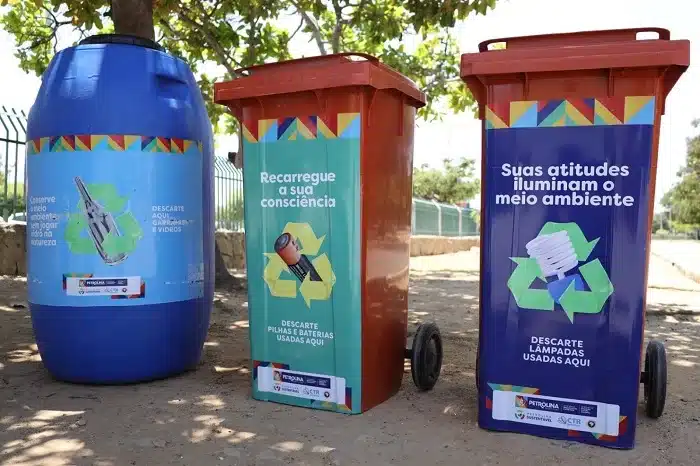
Take-back programs at retail locations provide accessible collection points. Many electronics retailers now accept old devices regardless of where purchased, often offering incentives like discounts on new products. Mail-back programs enable consumers to ship small electronics to recovery facilities using prepaid packaging, removing geographic barriers.
Community collection events concentrate disposal opportunities, generating awareness while processing large volumes efficiently. These events often accept items excluded from regular programs, including large appliances and older equipment containing materials requiring special handling.
Data Security Considerations
Data privacy concerns understandably influence consumer willingness to surrender electronics. Smartphones, computers, and tablets contain personal information, financial records, and sensitive communications. Professional recyclers address these concerns through certified data destruction services that physically destroy storage media or employ software methods that irreversibly erase data before processing.
Consumers should perform factory resets and remove memory cards before surrendering devices, but professional processors apply additional security measures. Certification programs like R2 (Responsible Recycling) and e-Stewards include strict data security protocols, providing assurance that information won’t be compromised during recovery processes.
🌱 Environmental and Social Benefits Beyond Material Recovery
The impacts of effective e-waste recovery extend well beyond recovered materials. Reduced mining activity preserves ecosystems and biodiversity while decreasing water consumption and habitat destruction. Lower manufacturing demand from recycled material utilization reduces energy consumption and carbon emissions associated with virgin material extraction and processing.
Formal recovery systems protect workers from hazardous exposure common in informal recycling operations. Certified facilities employ proper ventilation, protective equipment, and safety protocols that prevent toxic exposures. This shift protects human health while maintaining livelihoods in the recycling sector.
Community benefits emerge as recovery facilities create local employment in collection, processing, and refurbishment activities. These jobs often provide opportunities for workforce development and skills training in growing green economy sectors.
Challenges Requiring Ongoing Innovation
Despite progress, significant obstacles impede optimal e-waste recovery. Collection rates remain low in many regions, with valuable materials trapped in homes or reaching inappropriate disposal channels. Global collection infrastructure remains inadequate, particularly in developing economies experiencing rapid electronics adoption.
Technological complexity increases as products integrate more materials in smaller spaces with tighter connections. Miniaturization, while beneficial for device performance, complicates disassembly and material separation. Battery integration into device structures creates safety hazards during processing and requires specialized handling.
Market volatility for recovered materials affects economic sustainability. When virgin material prices drop, recycled materials struggle to compete, potentially making recovery operations unprofitable despite environmental benefits. Policy interventions and recycled content mandates can help stabilize markets and ensure recovery viability regardless of commodity price fluctuations.
🚀 Future Directions for Sustainable E-Waste Management
The path forward requires integrated strategies combining technological innovation, policy evolution, business model development, and cultural change. Emerging approaches promise to address current limitations while creating more resilient, sustainable systems.
Blockchain technology offers transparency throughout product lifecycles, tracking materials from manufacturing through multiple use cycles to final recovery. This traceability ensures accountability, verifies responsible processing, and could enable material passports that document composition and facilitate recovery.
Artificial intelligence enhances sorting precision, predicts equipment failures, optimizes processing parameters, and manages complex material flows. Machine learning algorithms continuously improve as they process more devices, increasing efficiency and recovery rates over time.
Standardization initiatives aim to reduce device variety that complicates recovery. Common charging standards, modular designs, and material marking conventions would dramatically improve processing efficiency while reducing costs. Industry collaboration on these standards benefits all stakeholders.
Building a Recovery-Conscious Culture
Ultimately, sustainable e-waste management requires cultural transformation that values resource conservation and recognizes electronics as temporary material stewards rather than disposable commodities. Education beginning in schools can build awareness of material lifecycles and individual responsibilities within recovery systems.
Corporate leadership drives change as major brands commit to circular principles, incorporate recycled materials, and support collection infrastructure. These commitments signal market direction and encourage supply chain partners to adopt sustainable practices.
Celebrating recovery achievements and communicating environmental benefits reinforces positive behaviors. When consumers understand that their participation prevents pollution, conserves resources, and supports sustainable manufacturing, engagement increases. Success stories and transparent impact reporting build confidence in recovery systems.
🌟 Transforming Waste into Opportunity
Electronic waste represents one of the defining environmental challenges of the digital age, but also one of the greatest opportunities for sustainable resource management. The materials within discarded devices hold tremendous value—economic, environmental, and social. Through advanced recovery technologies, thoughtful policy frameworks, circular design principles, and engaged participation, we can transform what is currently waste into continuously cycling resources.
The transition won’t happen instantly or without effort. It requires investment in infrastructure, development of new technologies, evolution of business models, and changes in consumer behavior. Yet the alternative—continuing current linear patterns of extraction, use, and disposal—grows increasingly untenable as electronics proliferate and natural resources diminish.
Every stakeholder has roles to play. Manufacturers must design products that facilitate recovery and incorporate recycled materials. Policymakers must create frameworks that incentivize sustainable practices and ensure equitable distribution of costs and benefits. Recyclers must continue innovating to improve efficiency and handle emerging material challenges. Consumers must engage with collection systems and consider longevity when making purchase decisions.
The technologies, knowledge, and economic models exist to dramatically improve e-waste recovery and material reintegration. What remains is the collective will to implement these solutions at scale, transforming our relationship with electronic devices from one of disposability to one of stewardship. In doing so, we don’t just address a waste problem—we create more sustainable, resilient, and equitable systems for providing the technology that has become central to modern life.
The circular economy for electronics isn’t a distant ideal but an achievable reality being built today by innovators, businesses, communities, and individuals committed to sustainable solutions. By reviving resources through comprehensive recovery and material reintegration, we honor both the finite nature of Earth’s resources and our responsibility to future generations who will inherit the consequences of today’s choices.
