
Anúncios
The construction industry stands at a pivotal crossroads where traditional practices meet innovative sustainability solutions that can transform our built environment forever.
As global awareness about climate change intensifies and resource scarcity becomes increasingly apparent, the construction sector faces mounting pressure to adopt environmentally responsible practices. Circular construction materials and design principles offer a revolutionary approach that challenges the conventional linear “take-make-dispose” model that has dominated building practices for decades. This transformative methodology not only addresses environmental concerns but also presents significant economic opportunities and long-term value creation for developers, architects, and property owners alike.
Anúncios
The concept of circular construction represents a fundamental shift in how we conceive, design, and execute building projects. Rather than treating materials as disposable commodities with finite lifespans, circular design embraces the principle that resources should be continuously cycled through multiple use phases, maintaining their value and utility throughout extended lifecycles. This paradigm shift requires rethinking every aspect of construction from initial design through material selection, construction methods, building operation, and eventual deconstruction or adaptation.
🌍 Understanding the Foundation of Circular Construction
Circular construction draws inspiration from natural ecosystems where waste from one process becomes nourishment for another. This biomimicry approach translates into building practices that eliminate waste by design, creating closed-loop systems where materials continuously circulate rather than ending up in landfills. The framework rests on several core principles including designing for disassembly, selecting renewable and recyclable materials, maximizing material efficiency, and extending product lifespans through quality and adaptability.
Anúncios
Traditional construction generates approximately 35% of global waste, consuming vast quantities of virgin resources while contributing significantly to carbon emissions. The linear construction model extracts raw materials, processes them into building components, assembles structures, uses them for a limited period, and ultimately demolishes them, sending materials to landfills. This wasteful approach depletes natural resources, damages ecosystems, and contributes substantially to greenhouse gas emissions throughout the supply chain.
Circular construction fundamentally disrupts this wasteful pattern by treating buildings as material banks—temporary repositories of valuable resources that can be recovered, refurbished, and reintegrated into new construction cycles. This perspective transforms how professionals approach every project phase, from conceptual design through eventual building transformation or deconstruction.
Revolutionary Materials Reshaping Construction Practices
The emergence of innovative circular construction materials provides practical tools for implementing sustainable building strategies. These materials fall into several categories, each offering unique advantages for different applications and project requirements.
Reclaimed and Recycled Construction Materials
Salvaged materials from deconstructed buildings provide high-quality resources with significantly lower environmental footprints than virgin alternatives. Reclaimed timber, bricks, steel beams, and architectural elements carry historical character while reducing demand for newly manufactured materials. Advanced sorting and processing technologies now enable efficient recovery and preparation of these materials for contemporary construction standards.
Recycled content materials transform construction and demolition waste into valuable building products. Crushed concrete becomes aggregate for new concrete, recycled steel reduces mining demands, and reclaimed asphalt finds new life in road construction. These materials often perform comparably to virgin alternatives while substantially reducing embodied carbon and resource extraction impacts.
Bio-Based Building Materials 🌱
Plant-derived materials offer renewable alternatives to conventional construction products. Engineered timber products like cross-laminated timber (CLT) and glued laminated timber (glulam) provide structural capabilities rivaling steel and concrete while sequestering atmospheric carbon throughout the building’s lifespan. Bamboo, with its rapid growth cycle and impressive strength-to-weight ratio, presents another compelling renewable option for various applications.
Agricultural waste streams generate innovative building materials including hempcrete, strawbale insulation, and mycelium-based products. These materials transform agricultural byproducts into high-performance building components, creating value from materials previously considered waste while reducing reliance on energy-intensive manufactured alternatives.
Modular and Prefabricated Components
Factory-produced modular construction elements enable precise material optimization, reduced waste generation, and enhanced quality control. These components can be designed for easy disassembly and reconfiguration, facilitating future building adaptations or complete relocation. The controlled manufacturing environment minimizes material waste while ensuring consistent quality standards that exceed typical on-site construction capabilities.
Design Strategies That Enable Circularity
Material selection alone cannot achieve truly circular construction—design methodologies must fundamentally embrace circularity principles from project inception. Several strategic approaches enable designers to create buildings that support material recovery and extended lifecycles.
Design for Disassembly and Adaptability
Buildings designed for eventual disassembly use mechanical connections rather than permanent adhesives, enabling future separation of components without damage. This approach requires thoughtful detailing, accessible connections, and comprehensive documentation that guides future deconstruction efforts. Standardized components and connection systems further facilitate disassembly by creating interchangeable elements that can be easily removed and reinstalled.
Adaptable design anticipates changing use requirements, incorporating flexibility that extends building utility beyond original purposes. Open floor plans, generous floor-to-ceiling heights, and accessible building systems enable transformations that avoid demolition when functional needs evolve. This adaptability extends building lifespans significantly, maximizing return on embodied resources.
Material Passports and Digital Documentation
Comprehensive material documentation creates transparency about building composition, enabling informed decisions about future maintenance, renovation, or deconstruction. Material passports catalog every significant component including manufacturer information, technical specifications, installation details, and recovery instructions. This digital documentation ensures valuable materials can be efficiently identified and recovered decades after original construction.
Building Information Modeling (BIM) technologies facilitate circular design by enabling detailed material tracking, lifecycle analysis, and disassembly planning during the design phase. These digital tools help teams optimize material selection, minimize waste, and plan for future adaptability before construction begins.
💡 Implementation Strategies for Construction Projects
Transitioning to circular construction practices requires strategic planning and stakeholder coordination throughout project lifecycles. Several approaches facilitate successful implementation across different project scales and types.
Conducting Circular Design Workshops
Early-stage workshops bring together designers, engineers, contractors, and clients to establish shared circular economy objectives and identify implementation opportunities. These collaborative sessions explore material options, design strategies, and construction approaches that align project goals with circularity principles. Early stakeholder alignment prevents conflicts and ensures circular considerations integrate seamlessly throughout project development.
Lifecycle Assessment and Material Selection
Comprehensive lifecycle assessment evaluates environmental impacts across material production, transportation, installation, use, and end-of-life scenarios. This holistic analysis reveals true sustainability performance beyond superficial “green” marketing claims. Comparative assessments enable informed material selections that genuinely minimize environmental impacts while meeting performance requirements.
| Material Category | Carbon Footprint Reduction | Recyclability Potential | Typical Applications |
|---|---|---|---|
| Reclaimed Timber | 75-90% | High | Structural framing, flooring, finishes |
| Cross-Laminated Timber | 40-60% | Medium-High | Structural systems, walls, floors |
| Recycled Steel | 60-75% | Very High | Structural framing, reinforcement |
| Hempcrete | 70-85% | High | Insulation, non-structural walls |
| Recycled Concrete Aggregate | 15-30% | High | Foundation, structural concrete |
Establishing Material Recovery Partnerships
Collaboration with salvage operations, material exchanges, and recycling facilities creates pathways for both sourcing circular materials and directing recovered materials toward future applications. These partnerships establish logistical frameworks that support circular material flows, ensuring recovered components find appropriate new uses rather than disposal.
Economic Advantages of Circular Construction Approaches
Beyond environmental benefits, circular construction delivers compelling economic advantages that enhance project viability and long-term value. Understanding these financial dimensions helps stakeholders recognize circularity as a strategic business opportunity rather than merely a sustainability obligation.
Reduced Material Costs and Price Volatility
Reclaimed and recycled materials often cost significantly less than virgin alternatives, particularly for premium products like hardwood timber, natural stone, and architectural elements. Additionally, circular supply chains provide greater insulation from price volatility affecting virgin material markets, enabling more predictable project budgeting and cost management.
Enhanced Asset Value and Marketability 📈
Buildings incorporating circular design principles increasingly command premium valuations as sustainability credentials influence market preferences. Forward-thinking tenants and buyers recognize the operational efficiencies, health benefits, and environmental responsibility associated with circular buildings, translating into enhanced marketability and stronger investment returns.
Adaptable buildings maintain relevance across changing market conditions, avoiding functional obsolescence that plagues conventionally designed structures. This flexibility preserves asset value while reducing lifecycle costs associated with major renovations or premature demolition.
Regulatory Compliance and Incentive Opportunities
Increasingly stringent environmental regulations favor circular construction approaches, positioning early adopters advantageously relative to competitors relying on conventional methods. Many jurisdictions offer incentives including expedited permitting, tax benefits, density bonuses, and grant programs for projects demonstrating exceptional sustainability performance through circular strategies.
Overcoming Implementation Challenges and Barriers
Despite numerous advantages, circular construction faces obstacles that require thoughtful navigation. Understanding these challenges enables proactive strategies that facilitate successful implementation.
Technical Knowledge and Skill Development
Circular construction requires specialized knowledge spanning material science, connection details, lifecycle assessment, and deconstruction planning. Many construction professionals lack exposure to these concepts through traditional education and training pathways. Addressing this gap requires dedicated professional development, knowledge sharing platforms, and collaborative learning opportunities that build industry capacity.
Supply Chain Development and Material Availability
Limited availability of circular materials in some markets constrains widespread adoption, particularly for large-scale projects requiring substantial quantities. Developing robust circular supply chains requires coordinated efforts among material processors, distributors, designers, and contractors. Regional material exchanges and databases help match available materials with project requirements, improving accessibility.
Regulatory and Code Compliance Considerations
Building codes and standards primarily address conventional materials and construction methods, sometimes creating uncertainty around innovative circular approaches. Working with building officials early in project development helps identify compliance pathways and necessary documentation. Industry advocacy for code updates that explicitly accommodate circular materials and methods gradually improves the regulatory environment.
🔨 Real-World Success Stories Demonstrating Impact
Numerous completed projects demonstrate circular construction’s practical viability across diverse building types and scales, providing valuable precedents and lessons for future implementations.
The Park 20|20 development in the Netherlands pioneered material passport implementation, documenting every significant component to facilitate future recovery. This comprehensive approach established new standards for transparency and material stewardship in commercial development. The project demonstrated that circular principles integrate seamlessly with high-quality contemporary architecture while enhancing long-term asset value.
Various residential projects worldwide showcase circular materials including reclaimed timber framing, recycled steel structures, and bio-based insulation systems. These homes prove circular construction delivers comfortable, healthy living environments while substantially reducing environmental impacts compared to conventional alternatives. Performance monitoring confirms these buildings meet or exceed energy efficiency and durability standards.
Modular construction projects exemplify design for disassembly principles, creating buildings that can be relocated, reconfigured, or expanded as needs evolve. Educational facilities, healthcare buildings, and commercial structures utilize modular approaches that maintain material value through multiple lifecycle phases.
Looking Forward: The Future of Circular Construction
Circular construction continues evolving as technologies advance, awareness grows, and market demand strengthens. Several emerging trends point toward mainstream adoption and enhanced performance in coming years.
Digital Technologies and Material Tracking
Blockchain-based material tracking systems create immutable records documenting component origins, specifications, and location throughout multiple use cycles. These technologies enhance transparency, prevent fraud, and facilitate efficient material recovery markets. Integration with BIM platforms and material databases creates seamless information flows supporting circular practices.
Advanced Material Science and Innovation
Research continues developing novel materials with enhanced circularity performance including fully biodegradable components, reversible adhesives, and materials designed for multiple recycling cycles without quality degradation. These innovations expand possibilities for genuinely circular construction while maintaining or improving technical performance.
Policy Evolution and Market Transformation
Governments increasingly recognize circular construction’s role in achieving climate targets and resource security objectives. Policy instruments including procurement requirements, embodied carbon limits, waste reduction mandates, and extended producer responsibility schemes create regulatory frameworks favoring circular approaches. These policies accelerate market transformation by leveling competitive dynamics and rewarding sustainability leadership.
Taking Action: Starting Your Circular Construction Journey 🚀
Organizations and individuals can begin implementing circular construction principles immediately, regardless of experience level or project scale. Starting with modest steps builds knowledge and confidence while delivering tangible benefits.
- Conduct material audits on existing projects to identify recovery opportunities and understand material flows
- Engage design teams early to explore circular strategies appropriate for specific project contexts and constraints
- Connect with local salvage operations, material exchanges, and recycling facilities to understand available resources
- Invest in professional development focusing on circular economy principles, lifecycle assessment, and sustainable material selection
- Document material specifications comprehensively to facilitate future recovery, creating material passports for all significant components
- Specify mechanical connections and accessible systems that enable future disassembly and adaptation
- Collaborate with specialty consultants experienced in circular construction to accelerate learning and avoid common pitfalls
- Share experiences and lessons learned with industry peers to build collective knowledge and advance industry practices
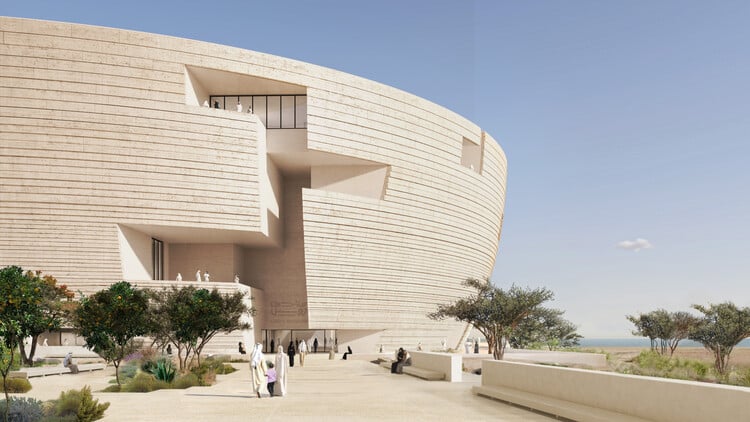
Building Tomorrow’s Legacy Through Circular Principles
The transition toward circular construction represents far more than incremental improvement—it fundamentally reimagines our relationship with the built environment and natural resources. By embracing circular materials and design strategies, construction professionals position themselves at the forefront of industry transformation while contributing meaningfully to global sustainability objectives.
Circular construction delivers proven environmental benefits including dramatic reductions in waste generation, resource consumption, and carbon emissions. Simultaneously, it creates economic value through reduced material costs, enhanced asset performance, and improved market positioning. These aligned environmental and economic advantages establish circularity as a strategic imperative rather than optional enhancement.
Success requires commitment, collaboration, and continuous learning as practitioners navigate evolving technologies, materials, and methodologies. However, the growing community of circular construction advocates provides valuable support, shared knowledge, and inspiration for those embarking on this transformative journey.
The buildings we create today will shape landscapes, communities, and environmental outcomes for generations. Choosing circular approaches ensures these structures contribute positively to ecological health while demonstrating responsible stewardship of finite resources. This represents the construction industry’s opportunity to transition from environmental liability to regenerative force, creating built environments that support thriving communities and healthy ecosystems simultaneously.
Revolutionary change begins with individual decisions to question conventional practices and explore better alternatives. By integrating circular construction materials and design principles into your next project, you join a global movement reimagining possibilities for sustainable development. The future of construction is circular—and that future begins with choices made today on drawing boards, construction sites, and in boardrooms worldwide. Together, these accumulated decisions create the sustainable, resilient, and regenerative built environment our world urgently requires.
