
Anúncios
The business landscape is shifting dramatically as companies embrace Product-as-a-Service models, transforming traditional ownership into flexible subscription experiences that drive recurring revenue and customer loyalty.
🚀 Understanding the Product-as-a-Service Revolution
Product-as-a-Service (PaaS) represents a fundamental shift in how businesses deliver value to customers. Rather than selling products outright, companies retain ownership while customers pay for access, usage, or outcomes. This model transforms capital expenditures into operational expenses, creating predictable revenue streams while aligning business success with customer satisfaction.
Anúncios
The transition from product sales to service delivery isn’t merely a pricing strategy—it’s a complete reimagining of customer relationships. Companies like Rolls-Royce pioneered this approach with “Power by the Hour,” charging airlines for engine usage rather than engine ownership. This model shifted maintenance responsibilities and risk to the manufacturer while providing airlines with predictable costs and guaranteed performance.
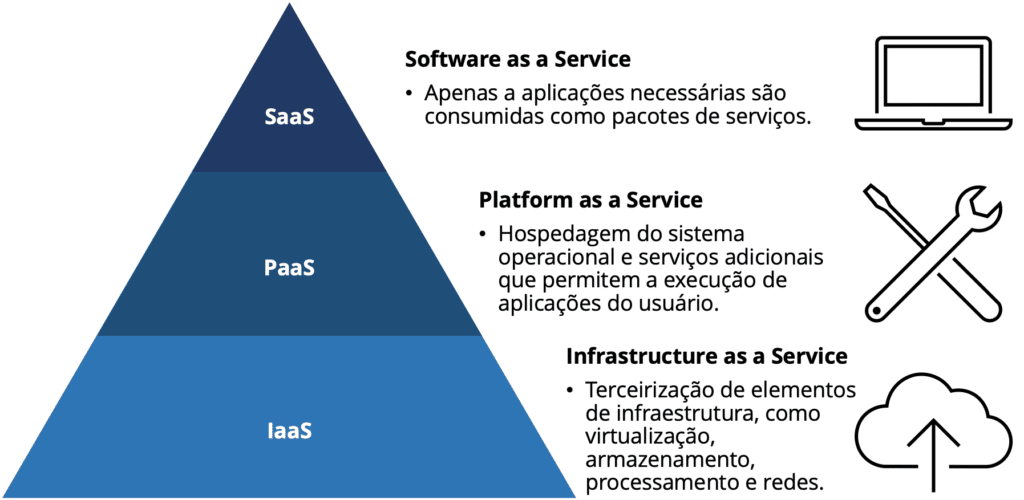
Today’s digital infrastructure enables Product-as-a-Service models across virtually every industry. Software companies led the charge with SaaS platforms, but the model now extends to physical products, from industrial equipment to consumer electronics. The common thread is value creation through ongoing relationships rather than one-time transactions.
Anúncios
💰 Financial Benefits That Transform Your Bottom Line
The financial advantages of Product-as-a-Service models extend far beyond simple revenue predictability. Companies implementing these models typically experience multiple revenue expansions as customers upgrade services, add features, or extend usage. This contrasts sharply with traditional sales, where revenue recognition ends at the point of purchase.
Recurring revenue models create enterprise value that investors reward with higher valuations. Subscription businesses often command premium multiples compared to traditional product companies because their revenue is more predictable and growth more sustainable. This valuation premium translates directly into shareholder value and makes capital raising more favorable.
Cash Flow Dynamics and Financial Planning
Product-as-a-Service models fundamentally alter cash flow dynamics. While initial revenue per customer may be lower than outright purchases, lifetime value typically exceeds traditional sales significantly. This shift requires adjusting financial planning horizons and investment strategies, but the payoff comes through compounding subscription value and reduced customer acquisition costs over time.
The predictability of recurring revenue enables more confident business planning and resource allocation. Finance teams can forecast with greater accuracy, operations can plan capacity more effectively, and leadership can make strategic investments with reduced uncertainty. This operational clarity represents a competitive advantage that compounds over time.
🎯 Customer Relationships That Drive Retention
Product-as-a-Service models transform customer relationships from transactional to collaborative. When business success depends on continuous value delivery rather than one-time sales, companies naturally align their interests with customer outcomes. This alignment creates powerful incentives for innovation, quality, and service excellence.
Customers benefit from reduced upfront costs, eliminating capital budget barriers that often delay or prevent purchases. The subscription model allows customers to access premium products and services that might otherwise be financially out of reach, democratizing access to innovation and quality.
The ongoing relationship inherent in service models creates continuous feedback loops. Companies gain real-time usage data and customer insights that inform product development, service improvements, and personalization opportunities. This intelligence gathering happens naturally through service delivery rather than requiring separate market research initiatives.
Building Sticky Customer Experiences
Subscription models create natural stickiness as customers integrate services into their workflows and operations. The switching costs—both financial and operational—increase over time as customers derive more value and build dependencies on the service. This stickiness translates into higher retention rates and lower churn compared to traditional product replacement cycles.
Successful Product-as-a-Service companies invest heavily in customer success teams that proactively ensure value realization. This proactive approach prevents churn before it occurs and identifies expansion opportunities within existing accounts. The economics support this investment because retaining customers is significantly more cost-effective than acquiring new ones.
⚙️ Operational Excellence and Efficiency Gains
Product-as-a-Service models drive operational excellence by shifting focus from production volume to service quality and efficiency. Companies optimize for product longevity, reliability, and performance rather than planned obsolescence or frequent replacement cycles. This shift benefits both businesses and customers while supporting sustainability objectives.
Manufacturing and supply chain strategies evolve under service models. Companies maintain closer relationships with their products throughout the lifecycle, enabling better quality control, predictive maintenance, and continuous improvement. The data generated through connected products provides unprecedented insights into performance, usage patterns, and failure modes.
Technology Infrastructure Requirements
Implementing Product-as-a-Service models requires robust technology infrastructure to manage subscriptions, usage tracking, billing, and customer relationship management. Cloud platforms, IoT sensors, and data analytics capabilities form the backbone of successful service delivery. These technology investments pay dividends through operational efficiency and customer insights.
Companies must develop capabilities in data management and cybersecurity to protect customer information and ensure service reliability. The technology stack should support scalability as the customer base grows and enable integration with customer systems for seamless service delivery.
🌍 Sustainability and Circular Economy Alignment
Product-as-a-Service models naturally align with circular economy principles and sustainability objectives. When companies retain product ownership, they’re incentivized to design for durability, repairability, and eventual recycling or refurbishment. This contrasts with traditional models where post-sale product fate isn’t the manufacturer’s concern.
The environmental benefits extend throughout the product lifecycle. Shared usage models reduce overall production volumes while maximizing utilization of existing products. Manufacturers can implement take-back programs, refurbishment operations, and material recovery systems that close material loops and reduce waste.
Customers increasingly value sustainability, and Product-as-a-Service models provide tangible environmental benefits without compromising performance or convenience. Companies can differentiate their offerings through documented sustainability impacts, appealing to environmentally conscious consumers and businesses with ESG commitments.
📊 Industries Leading the Transformation
While software companies pioneered subscription models, diverse industries are now adopting Product-as-a-Service approaches with impressive results. Understanding how different sectors implement these models provides valuable insights for businesses considering the transition.
Manufacturing and Industrial Equipment
Industrial manufacturers increasingly offer equipment as a service, charging for operating hours, units produced, or outcomes delivered. Compressed air companies sell air delivery rather than compressors. Lighting companies sell illumination rather than fixtures. These models transfer maintenance costs and performance risks to manufacturers while providing customers with predictable operational expenses.
Consumer Electronics and Appliances
Consumer electronics companies experiment with subscription models for smartphones, computers, and home appliances. Customers access the latest technology without large upfront investments while manufacturers secure recurring revenue and maintain product relationships. These programs often include insurance, upgrades, and support services that enhance value propositions.
Transportation and Mobility
Automotive companies transition from selling vehicles to providing mobility services. Subscription programs offer vehicle access with insurance, maintenance, and flexibility to change models. This shift responds to changing consumer preferences, particularly among younger demographics who value access over ownership.
Fashion and Apparel
Fashion subscription services provide curated clothing selections, rental programs, or regular refreshes that address sustainability concerns and changing style preferences. These services reduce clothing waste while providing customers with variety and convenience. The model works particularly well for formal wear, children’s clothing, and fashion-forward consumers.
🔧 Implementation Strategies for Success
Transitioning to Product-as-a-Service models requires careful planning and execution. Companies must address organizational, operational, and cultural challenges while managing existing product lines and customer relationships.
Starting with Pilot Programs
Successful transitions typically begin with pilot programs that test assumptions and build internal capabilities before full-scale rollout. Select products or customer segments where the value proposition is strongest and operational complexity is manageable. Use pilot results to refine pricing, service delivery, and support processes before expanding.
Pilot programs also serve as internal learning opportunities, developing organizational capabilities and building confidence in the new model. Document lessons learned, successful practices, and areas requiring improvement to inform broader implementation.
Pricing Strategy Development
Pricing Product-as-a-Service offerings requires understanding customer value perception, competitive positioning, and cost structures. Consider usage-based pricing, tiered subscription levels, and outcome-based models. Test different pricing approaches during pilot phases to optimize revenue while maintaining customer satisfaction.
Pricing should reflect value delivered rather than simply converting product prices into monthly payments. Consider the total cost of ownership customers avoid, convenience factors, and ongoing services provided. Dynamic pricing capabilities allow optimization over time as you gather usage data and customer feedback.
Building Service Delivery Infrastructure
Product-as-a-Service models require robust service delivery capabilities including customer support, maintenance operations, and logistics management. Invest in training customer success teams, establishing service level agreements, and developing escalation procedures. The quality of service delivery directly impacts retention and customer satisfaction.
Develop metrics and monitoring systems to track service performance, customer health scores, and operational efficiency. Real-time dashboards enable proactive issue resolution and help identify customers at risk of churn before they cancel subscriptions.
💡 Overcoming Common Implementation Challenges
The transition to Product-as-a-Service models presents significant challenges that companies must navigate successfully. Understanding common obstacles and mitigation strategies improves implementation success rates.
Cultural and Organizational Resistance
Traditional sales organizations may resist subscription models due to concerns about commission structures, sales cycles, and quota achievement. Address these concerns through thoughtful compensation design that rewards both new subscriptions and retention. Educate teams on long-term value creation and customer lifetime value concepts.
Engineering and product teams may need to shift mindsets from launching products to continuous service delivery and improvement. This cultural shift requires leadership commitment, training programs, and success celebrations that reinforce new behaviors.
Financial Transition Management
The shift from product sales to subscription revenue creates short-term financial challenges as upfront revenue converts to recurring streams. Companies must manage this transition carefully, potentially offering hybrid models during transition periods. Communicate clearly with investors and stakeholders about the strategic rationale and expected timeline for revenue recovery.
Financial reporting and metrics must evolve to reflect subscription economics. Focus on metrics like Monthly Recurring Revenue (MRR), Customer Acquisition Cost (CAC), Lifetime Value (LTV), and churn rate rather than traditional product sales metrics.
🎪 Future Trends Shaping Product-as-a-Service Evolution
Product-as-a-Service models continue evolving as technology advances and customer expectations shift. Understanding emerging trends helps companies position for future success and competitive advantage.
Artificial Intelligence and Personalization
AI capabilities enable increasingly personalized service delivery, predictive maintenance, and automated customer support. Machine learning algorithms optimize usage patterns, predict customer needs, and prevent service disruptions. These capabilities enhance value delivery while improving operational efficiency.
Blockchain and Decentralized Models
Blockchain technology enables new Product-as-a-Service possibilities through transparent usage tracking, automated smart contract execution, and decentralized ownership models. These capabilities may support peer-to-peer service delivery and more flexible subscription arrangements.
Ecosystem and Platform Integration
Product-as-a-Service offerings increasingly integrate within broader ecosystems and platforms. Interoperability and standardization enable customers to build customized solution stacks from multiple providers. Companies must consider how their services fit within larger ecosystems and develop partnership strategies accordingly.
🏆 Measuring Success and Optimizing Performance
Product-as-a-Service success requires tracking appropriate metrics and continuously optimizing based on data insights. Traditional product metrics don’t capture subscription model dynamics, necessitating new measurement frameworks.
Key performance indicators should include customer acquisition costs, lifetime value ratios, churn rates, expansion revenue, and customer health scores. Monitor these metrics by customer segment, product line, and cohort to identify optimization opportunities and early warning signs.
Customer satisfaction metrics including Net Promoter Scores, customer effort scores, and satisfaction surveys provide leading indicators of retention and expansion potential. Regular customer feedback collection and analysis inform service improvements and product roadmap priorities.
Operational metrics including service delivery costs, support ticket volumes, and time-to-resolution help optimize efficiency and identify scaling challenges. As subscription bases grow, operational excellence becomes increasingly critical to maintaining profitability.
🌟 Transforming Your Business for Long-Term Success
Product-as-a-Service models represent more than a pricing strategy—they’re a fundamental business transformation that aligns company success with customer outcomes. The financial benefits of recurring revenue, higher customer lifetime values, and premium valuations make compelling cases for adoption across industries.
The transition requires significant organizational change, technology investment, and operational capability development. However, companies successfully making this shift gain competitive advantages through deeper customer relationships, continuous innovation feedback, and more sustainable business models.
As customer preferences increasingly favor access over ownership and sustainability concerns drive circular economy adoption, Product-as-a-Service models position companies for future relevance. The question isn’t whether to adopt service models, but how quickly and effectively to make the transition while maintaining current business performance.
Start by identifying products or segments where service models create clear customer value and competitive differentiation. Build pilot programs that test assumptions and develop capabilities. Invest in technology infrastructure and organizational change management. Most importantly, embrace the mindset shift from selling products to delivering continuous value through ongoing customer relationships.
The businesses that thrive in coming decades will be those that successfully transform from product providers to service partners, creating value through outcomes rather than transactions. Product-as-a-Service models provide the framework for this transformation, offering financial returns, customer loyalty, and sustainable competitive advantages that traditional models simply cannot match.
