
Anúncios
The circular economy is transforming our relationship with resources, offering a sustainable alternative to the traditional linear model of take-make-dispose that has dominated industrial practices for generations.
🔄 Understanding the Paradigm Shift in Resource Management
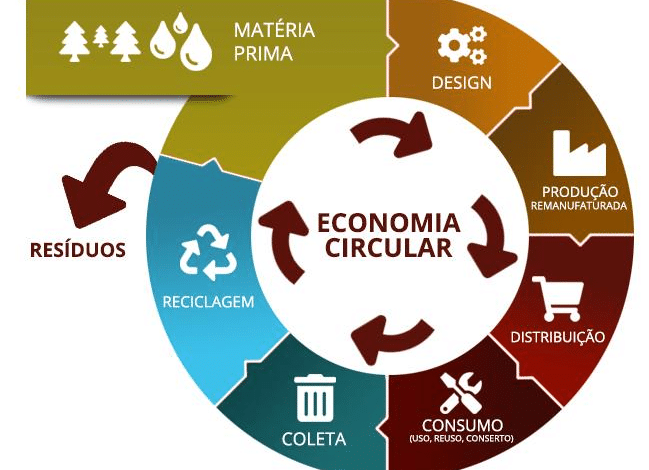
For decades, our global economy has operated on a linear model: extract raw materials, manufacture products, use them briefly, and discard them as waste. This approach has led to unprecedented environmental degradation, resource depletion, and mounting waste crises across the planet. The circular economy emerges as a revolutionary framework that challenges this unsustainable pattern by reimagining how we design, produce, consume, and manage resources throughout their entire lifecycle.
Anúncios
The circular economy is built on three fundamental principles that distinguish it from traditional economic models. First, it aims to eliminate waste and pollution by design, ensuring that products and materials remain in use for as long as possible. Second, it keeps products and materials circulating at their highest value through strategies like reuse, repair, refurbishment, and recycling. Third, it works to regenerate natural systems rather than simply extracting from them, creating positive environmental outcomes while meeting human needs.
This transformative approach represents more than just improved recycling programs or waste management initiatives. It fundamentally redefines our understanding of consumption, ownership, and value creation in the modern economy. By closing resource loops and maintaining materials in productive use, the circular economy offers a pathway toward economic prosperity that doesn’t compromise environmental health or future generations’ ability to meet their own needs.
Anúncios
💡 The Economic Case for Circular Transformation
The transition to circular economy practices isn’t merely an environmental imperative—it makes compelling economic sense. Research from leading consulting firms estimates that circular economy strategies could generate trillions of dollars in economic benefits globally by 2030. These benefits stem from reduced material costs, new revenue streams from circular business models, and decreased exposure to volatile commodity prices and supply chain disruptions.
Companies embracing circular principles are discovering innovative ways to create value while reducing their environmental footprint. Product-as-a-service models, for instance, shift the focus from selling goods to providing access and functionality. This approach incentivizes manufacturers to design durable, easily repairable products since they retain ownership and responsibility throughout the product lifecycle. The result is higher-quality goods, reduced resource consumption, and stronger customer relationships.
The economic advantages extend beyond individual companies to entire industries and regions. Circular economy initiatives create new employment opportunities in sectors like repair, refurbishment, and remanufacturing. These jobs are often more localized than traditional manufacturing, contributing to regional economic resilience. Additionally, by reducing dependence on virgin material extraction and imports, circular strategies enhance economic security and competitiveness.
Financial Performance of Circular Business Models
Early adopters of circular economy principles are demonstrating strong financial performance. Companies implementing circular strategies report improved profit margins through reduced material costs, enhanced brand reputation attracting environmentally conscious consumers, and decreased regulatory risks. Investment funds focused on circular economy companies have emerged, recognizing the long-term value creation potential of businesses aligned with sustainable resource management.
🌍 Redesigning Products for Circularity
At the heart of the circular economy revolution lies a fundamental reimagining of product design. Rather than creating items destined for eventual disposal, designers are now developing products with their entire lifecycle in mind. This approach, known as circular design or design for circularity, considers how materials can be recovered, components reused, and value maintained throughout multiple use cycles.
Circular design principles include modularity, which allows individual components to be easily replaced or upgraded without discarding the entire product. Standardization of parts across product lines enables greater interoperability and simplifies repair processes. Material selection prioritizes renewable, recyclable, or biodegradable inputs that can safely return to biological or technical cycles. Design for disassembly ensures that products can be efficiently taken apart at end-of-life to recover valuable materials.
Technology companies are pioneering innovative approaches to circular product design. Modular smartphones allow users to replace individual components like cameras, batteries, or screens, extending device lifespan significantly. Furniture manufacturers are creating pieces that can be easily disassembled, refurbished, and reassembled in new configurations. Clothing brands are designing garments from single-fiber materials that simplify recycling processes while incorporating take-back programs that ensure products return for regeneration.
Material Innovation Driving Circular Solutions
The development of new materials is accelerating the circular transition across industries. Biomaterials derived from agricultural waste, algae, or fungi are replacing petroleum-based plastics in packaging and consumer goods. These materials can safely biodegrade or be composted, returning nutrients to soil systems. Chemical recycling technologies are breaking down complex plastics into their molecular components, enabling infinite recycling loops for materials previously considered unrecyclable.
Textile innovations include fabrics made from recycled ocean plastics, regenerated cellulose fibers from wood pulp, and even materials grown from mycelium or bacterial cultures. Construction materials are being reimagined with circular principles, incorporating recycled aggregates, bio-based insulation, and designs that facilitate future deconstruction and material recovery. These innovations demonstrate how circular thinking is transforming material science across sectors.
🔧 Business Models That Enable Circular Consumption
The circular economy is giving rise to innovative business models that fundamentally change how consumers access and use products. These models shift emphasis from ownership to access, performance, and service, creating value while reducing resource consumption and environmental impact.
Product-as-a-service models represent one of the most significant shifts in consumption patterns. Instead of purchasing items outright, consumers pay for the use or performance of products while manufacturers retain ownership. Lighting companies now sell illumination services rather than bulbs, incentivizing them to install energy-efficient, long-lasting fixtures. Tire manufacturers offer pay-per-kilometer models, encouraging durable design and retreading practices. Clothing rental services provide access to fashion without the environmental burden of fast fashion ownership.
Sharing economy platforms enable multiple users to access the same product, maximizing utilization rates and reducing the total number of items needed. Car-sharing services, tool libraries, and equipment rental platforms demonstrate how collaborative consumption can meet needs while minimizing resource extraction. These models work particularly well for items used infrequently, where ownership represents inefficient capital allocation and resource use.
Recommerce and Secondary Markets
The growth of recommerce—the buying and selling of pre-owned goods—represents another crucial circular business model. Online marketplaces for used products are flourishing, with dedicated platforms for everything from electronics and furniture to luxury fashion and sporting equipment. These secondary markets extend product lifespans, provide affordable access to quality goods, and reduce demand for virgin production.
Major brands are launching their own recommerce platforms, offering certified pre-owned products with warranties and quality guarantees. This approach allows companies to capture value from products multiple times, strengthen customer relationships, and control the secondary market for their goods. Some manufacturers are designing buyback programs directly into their business models, ensuring products return for refurbishment and resale.
♻️ Technologies Enabling Circular Resource Flows
Digital technologies are playing an essential role in enabling circular economy systems at scale. Internet of Things sensors embedded in products provide real-time data on usage patterns, maintenance needs, and optimal timing for recovery. This information allows manufacturers to design better products, optimize service delivery, and efficiently manage reverse logistics for product take-back and material recovery.
Blockchain technology is being applied to create transparent material passports that track components and materials throughout supply chains and use cycles. These digital records document material composition, origin, and history, facilitating easier recycling, ensuring authenticity in secondary markets, and enabling compliance with extended producer responsibility regulations. Material passports help maintain material value by providing the information needed for effective recovery and reprocessing.
Artificial intelligence and machine learning algorithms are optimizing circular systems across multiple applications. AI-powered sorting technologies improve recycling efficiency by accurately identifying and separating materials at processing facilities. Predictive maintenance algorithms reduce equipment failures and extend asset lifespans. Machine learning models optimize logistics for reverse supply chains, making product take-back programs economically viable.
Digital Platforms Connecting Circular Ecosystems
Online platforms are emerging as crucial infrastructure for circular economy ecosystems, connecting various stakeholders and facilitating resource exchange. Industrial symbiosis platforms match companies’ waste streams with others’ input needs, transforming one organization’s byproduct into another’s valuable resource. Material marketplaces create transparency around available secondary materials, helping manufacturers source recycled inputs. These digital tools reduce transaction costs and information barriers that previously hindered circular resource flows.
🏭 Industry Transformation Through Circular Practices
Different industries are adopting circular economy principles in ways suited to their specific contexts, demonstrating the versatility and broad applicability of circular thinking. The fashion industry, notorious for waste and environmental impact, is undergoing significant transformation. Brands are implementing textile-to-textile recycling programs, creating collections from deadstock fabrics, and designing for longevity and timeless style rather than seasonal trends. Rental, resale, and repair services are becoming integral to fashion business models.
The electronics sector faces particular challenges due to complex products containing valuable and hazardous materials. Leading manufacturers are responding with modular designs, extensive repair programs, and sophisticated take-back systems. Urban mining initiatives are recovering precious metals from electronic waste, reducing dependence on environmentally destructive primary mining. Refurbishment programs are giving devices second lives, addressing both resource efficiency and digital access issues.
In construction and building sectors, circular approaches are revolutionizing how we create built environments. Design for deconstruction principles ensure that buildings can be disassembled rather than demolished, preserving material value for future use. Material banks and platforms facilitate the exchange of reclaimed building components. Prefabricated and modular construction methods enable flexible buildings that can be adapted, expanded, or relocated rather than torn down when needs change.
Food Systems and Circular Agriculture
Food and agriculture systems are embracing circular principles to address waste, improve soil health, and enhance resilience. Regenerative agriculture practices work with natural systems to build soil organic matter, sequester carbon, and enhance biodiversity while producing food. Food waste is being valorized through anaerobic digestion to produce biogas and nutrient-rich digestate for fertilizer. By-products from food processing become inputs for other industries or animal feed, closing nutrient loops.
Urban agriculture initiatives are creating localized food systems that minimize transportation impacts while utilizing urban organic waste as compost. Vertical farming technologies enable food production in controlled environments using minimal water and no pesticides. These innovations demonstrate how circular thinking can transform food systems toward sustainability and resilience.
🌱 Policy Frameworks Supporting Circular Transitions
Governments worldwide are recognizing the importance of circular economy transitions and implementing policies to accelerate change. Extended Producer Responsibility regulations hold manufacturers accountable for products throughout their entire lifecycle, including end-of-life management. These policies incentivize circular design and fund collection and recycling infrastructure through producer fees.
Right-to-repair legislation is gaining momentum, requiring manufacturers to make spare parts, repair manuals, and diagnostic tools available to consumers and independent repair providers. These laws combat planned obsolescence and extend product lifespans by making repair economically and practically feasible. Several jurisdictions have enacted such legislation, with momentum building for broader adoption.
Public procurement policies are leveraging government purchasing power to drive circular economy adoption. By specifying circular criteria in procurement tenders—such as recycled content requirements, durability standards, or take-back provisions—governments create market demand for circular products and services. Green public procurement influences broader markets as suppliers adapt their offerings to meet government requirements.
Economic Instruments and Incentives
Tax policies and economic incentives are being restructured to support circular transitions. Reduced VAT rates on repair services make fixing products more economically attractive compared to replacement. Landfill taxes and incineration fees increase the cost of waste disposal, improving the economic case for prevention, reuse, and recycling. Subsidies and grants support circular innovation, infrastructure development, and business model experimentation.
🚀 Overcoming Barriers to Circular Adoption
Despite compelling benefits, the transition to circular economy faces significant challenges. Existing infrastructure and systems are optimized for linear production and consumption, requiring substantial investment to reorient toward circularity. Collection networks, sorting facilities, and reprocessing technologies need expansion and upgrading to handle diverse material streams at scale.
Consumer behavior and cultural norms present another barrier. Deeply ingrained habits of disposability, status associated with newness, and convenience of linear consumption patterns resist change. Overcoming these barriers requires education, awareness campaigns, and making circular options convenient and appealing. Success stories and visible benefits help shift perceptions and normalize circular practices.
Economic challenges include the current price advantages of virgin materials over recycled alternatives in many markets, partly due to unpriced environmental externalities. Circular business models may face higher upfront costs despite long-term economic advantages. Financial systems and investment criteria often favor established linear approaches over innovative circular models, limiting access to capital for circular enterprises.
Collaboration and Systems Thinking
Transitioning to circular economy requires unprecedented collaboration across value chains and between traditionally separate sectors. No single company or organization can implement circularity in isolation—it requires coordination between designers, manufacturers, retailers, consumers, waste managers, and policymakers. Building effective partnerships and governance structures for collaboration remains an ongoing challenge requiring new approaches to coordination and value sharing.
🎯 The Path Forward: Accelerating Circular Transformation
The circular economy revolution is gaining momentum, but accelerating the transition requires concerted action across all sectors of society. Businesses must embed circular principles into core strategy, moving beyond pilot projects to systemic transformation. This includes redesigning products and services, reimagining business models, and collaborating across value chains to create circular ecosystems.
Consumers play a crucial role by making conscious choices that support circular alternatives—choosing durable products, utilizing repair services, participating in sharing platforms, and properly returning items for recovery. Growing awareness and demand for sustainable options sends powerful market signals that drive corporate behavior and investment decisions.
Policymakers must create enabling frameworks that level the playing field between linear and circular approaches, internalizing environmental costs, supporting innovation, and investing in necessary infrastructure. International cooperation is essential given the global nature of supply chains and material flows, requiring harmonized standards and coordinated policy approaches.
The circular economy represents more than an improved approach to resource management—it offers a fundamentally different vision of prosperity that aligns human wellbeing with planetary health. By redefining consumption patterns, redesigning products and systems, and rethinking value creation, the circular economy is revolutionizing our relationship with resources. This transformation holds the promise of a sustainable, regenerative economy that meets our needs without compromising the ability of future generations to meet theirs. The revolution has begun, and its success will define the sustainability and resilience of our shared future.
